Safari in Tanzania




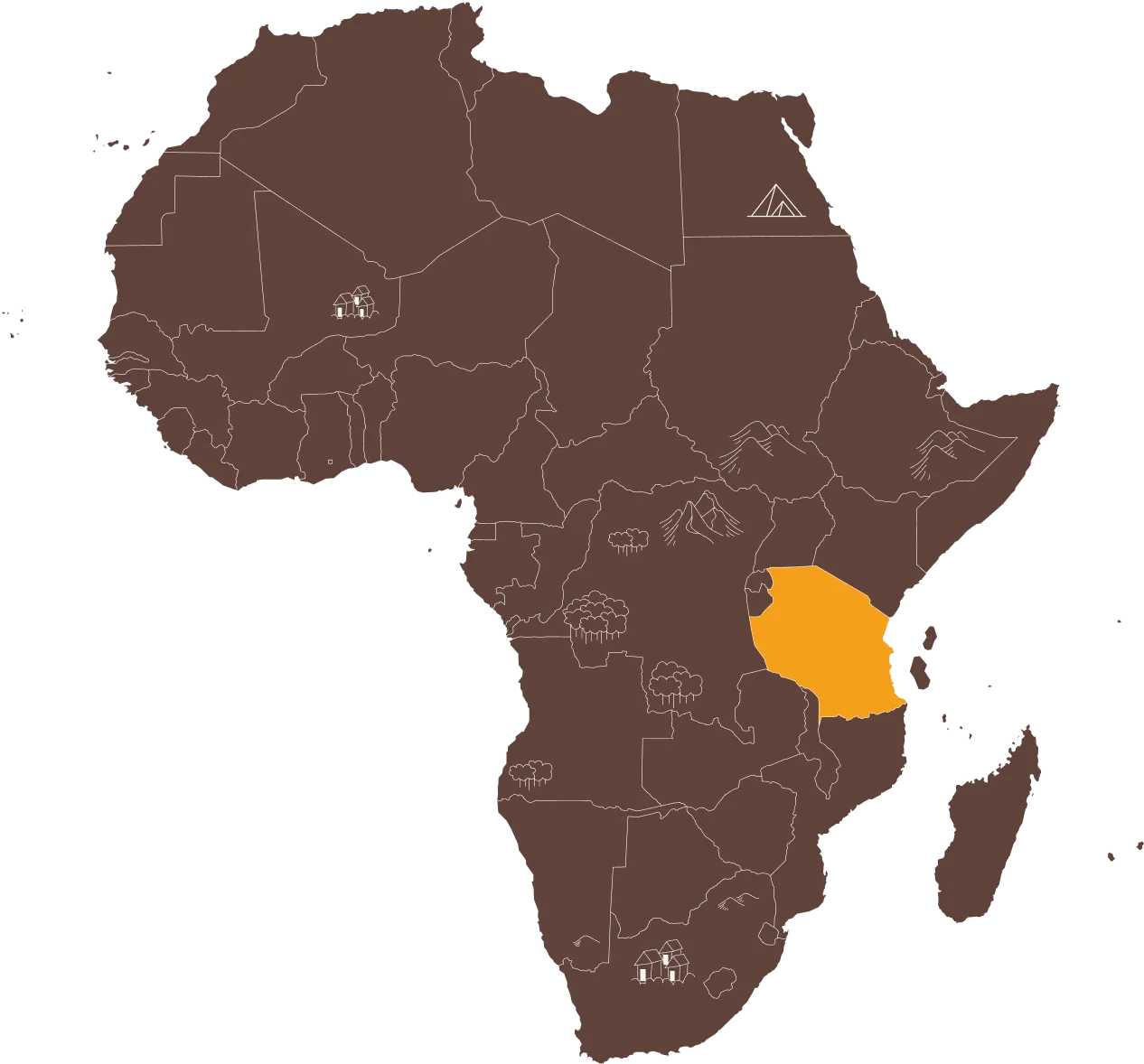
Embark on an extraordinary safari to Tanzania
Tanzania is a country of incredible contrasts. Here you’ll find the snow-capped peak of Kilimanjaro, lush jungles, bustling cities, but above all, some of the world’s most iconic and magnificent safari destinations. The most famous are the Serengeti’s endless plains and the mighty Ngorongoro Crater, but there are many other national parks with incredible wildlife for safaris. In Tanzania, wildlife comes up close, and the vast open spaces offer a safari experience that is hard to beat.
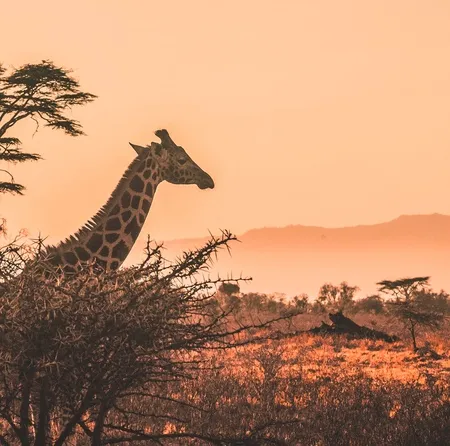
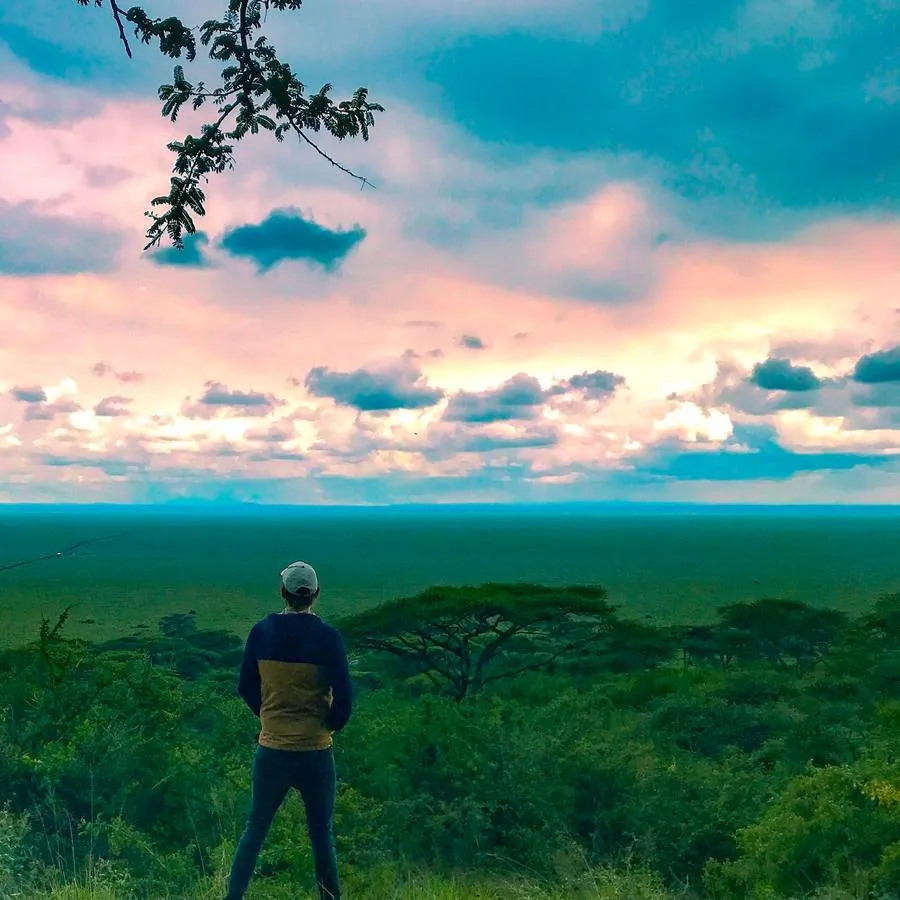
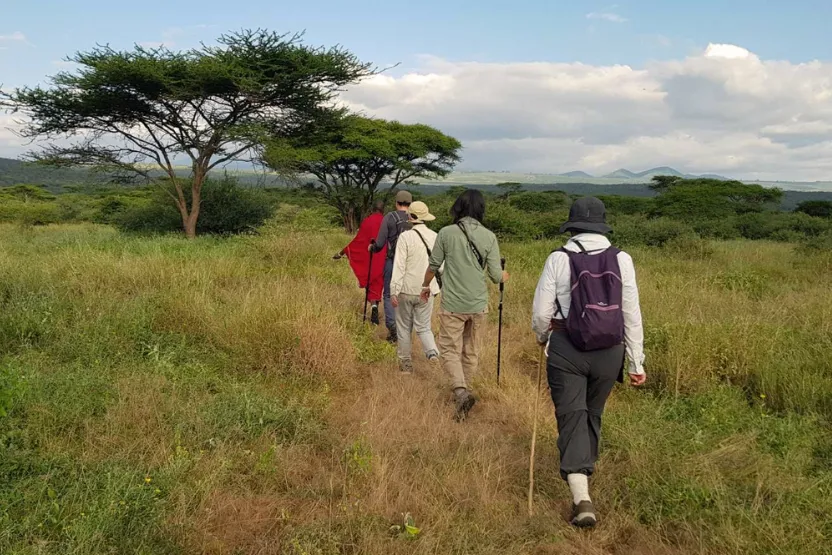
The landscape around the parks is very beautiful, with varied environments and sweeping views. Along the roads, you often encounter Masai herders tending their cattle in their red-checked cloths, and at dusk, the savannah is colored by magical sunsets.
The people of Tanzania are known for their warmth and hospitality. "Hakuna Matata" is more than just an expression; it is an attitude that quickly draws you into a calmer pace where the stresses of everyday life feel far away. Tanzania is also a country rich in culture and traditions, which adds another dimension to the journey.
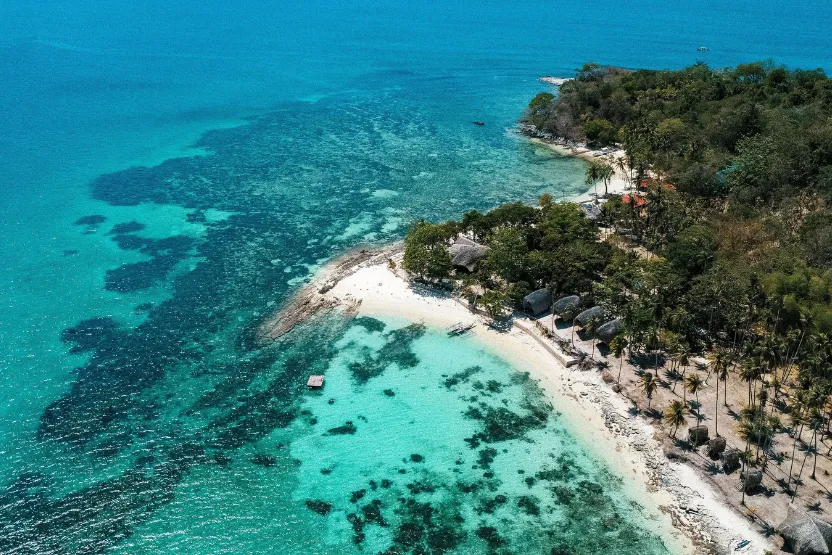
There is an adventure for everyone here: safaris, mountains, beaches, culture, and everything in between. It is precisely this combination that makes so many who travel here long to return.
Go on your dream trip


.webp)
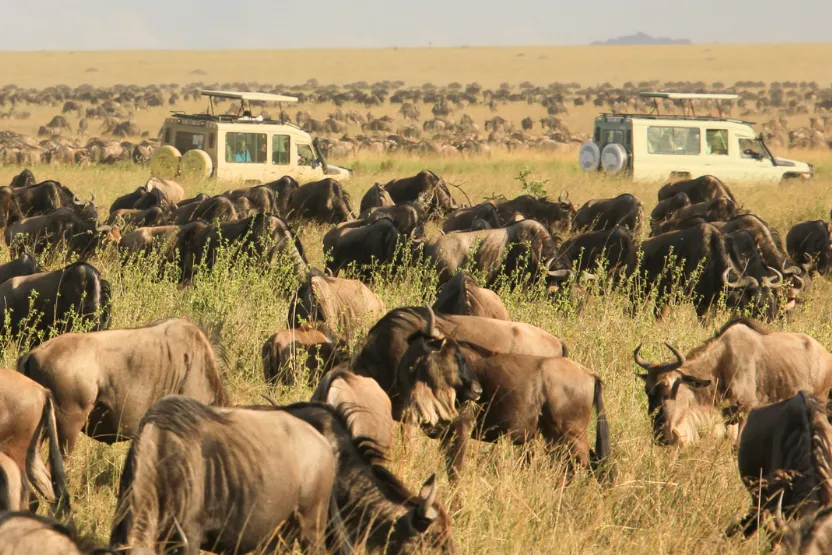



.webp)
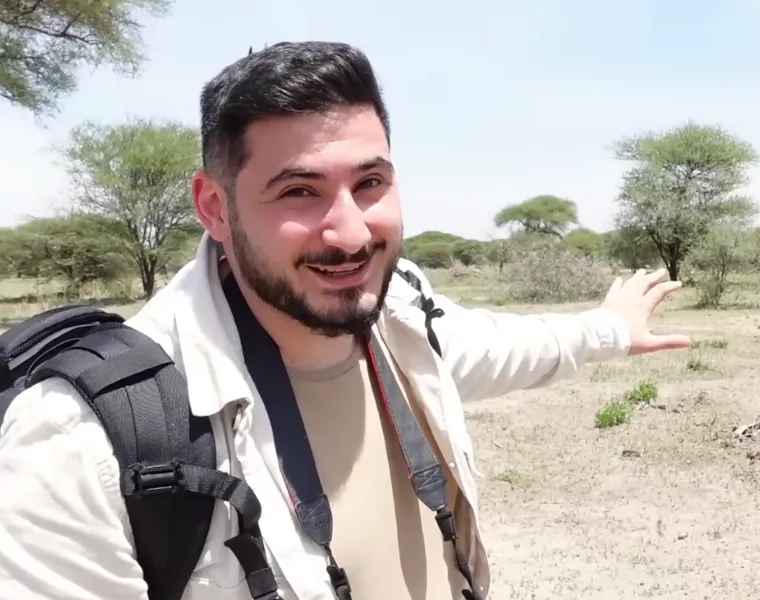
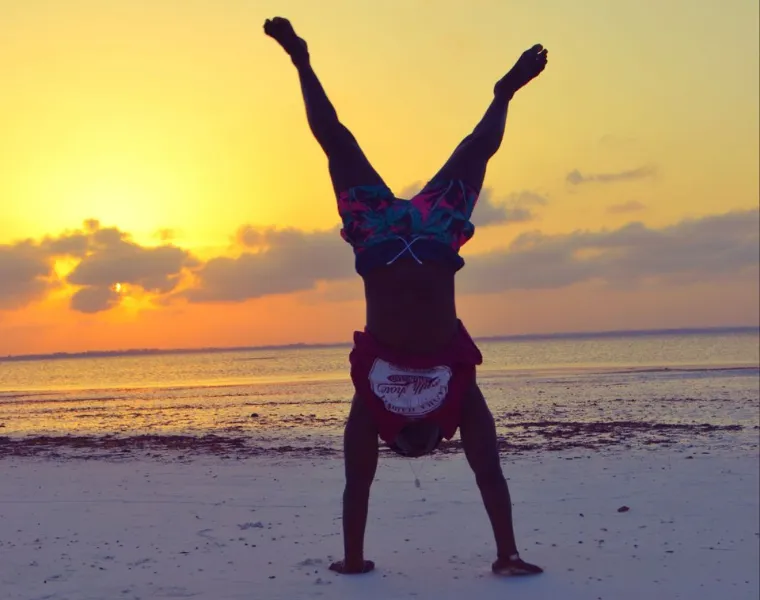
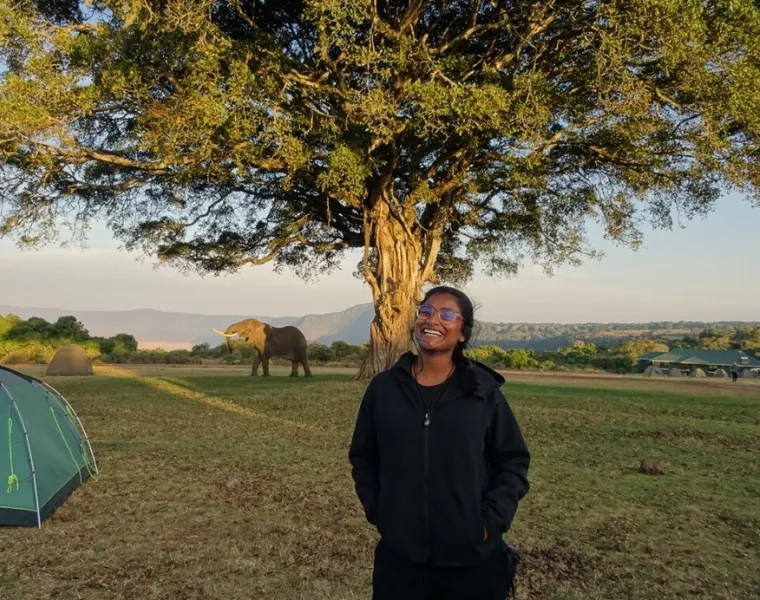
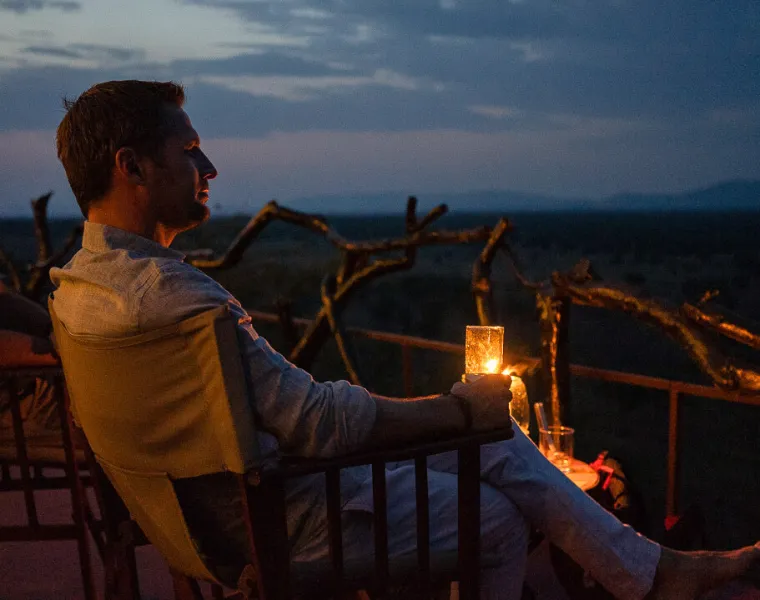
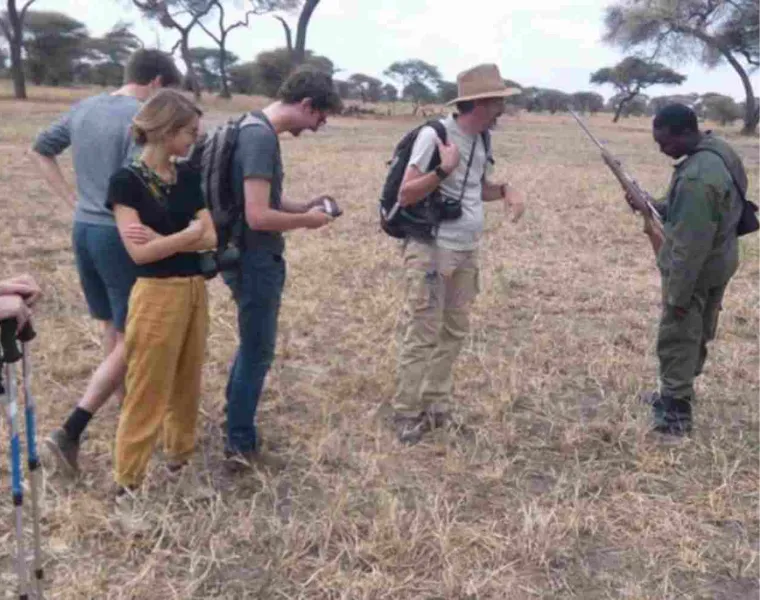
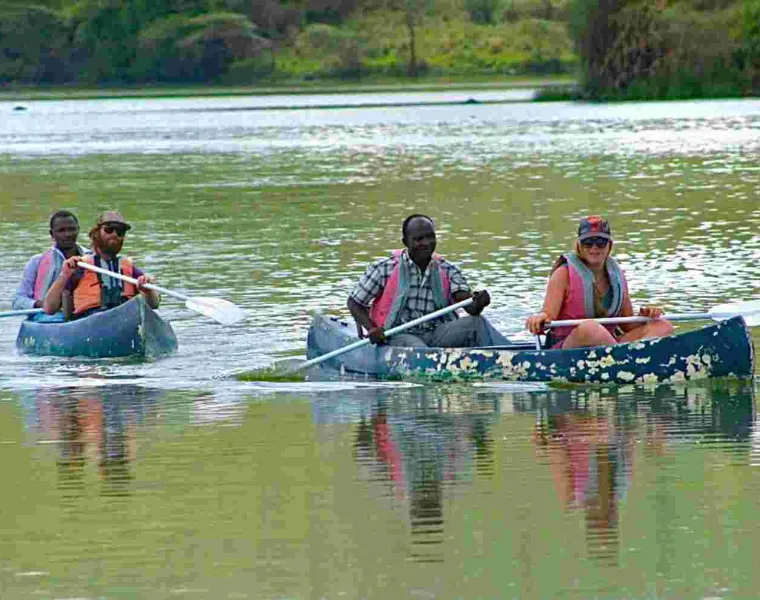
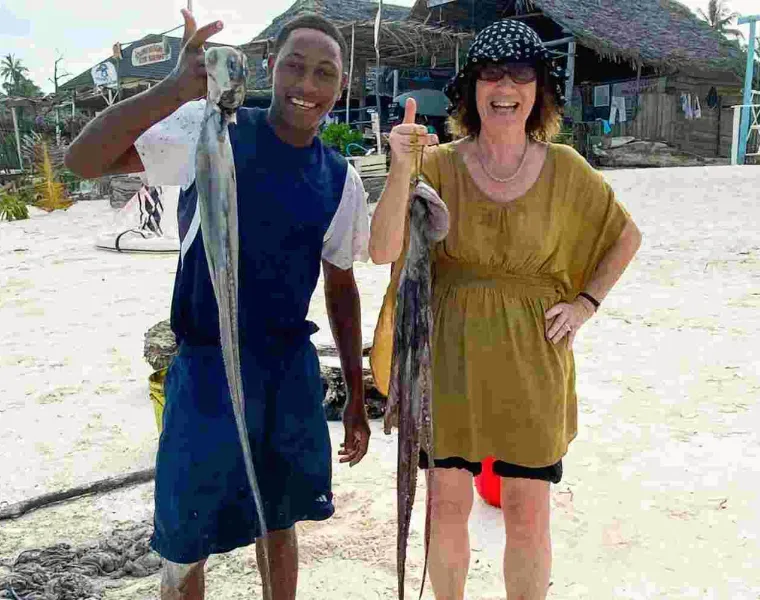
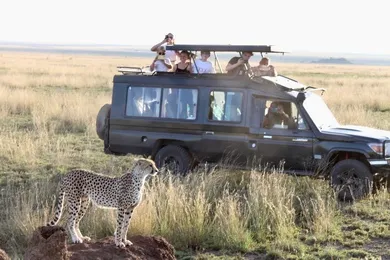
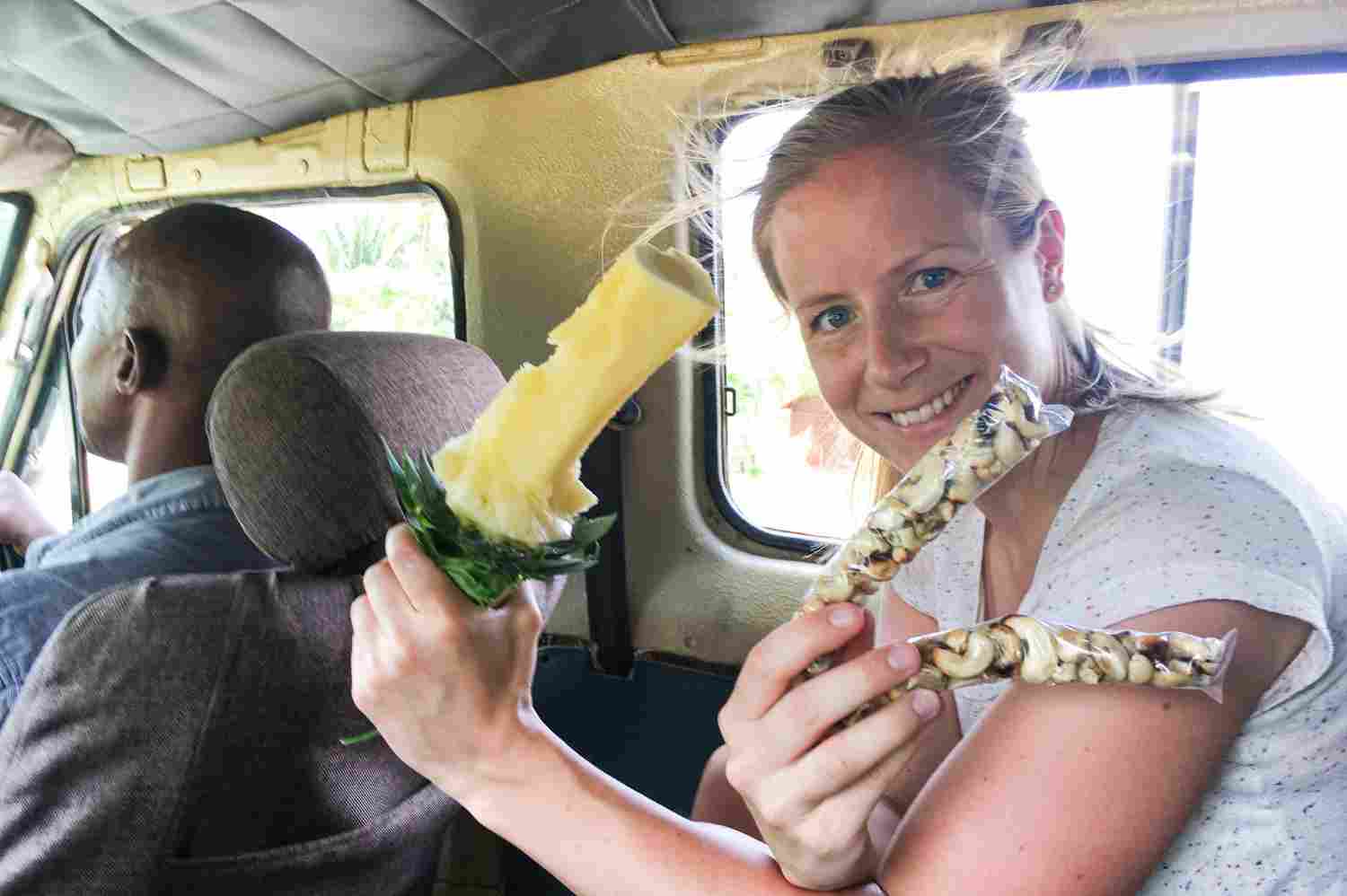
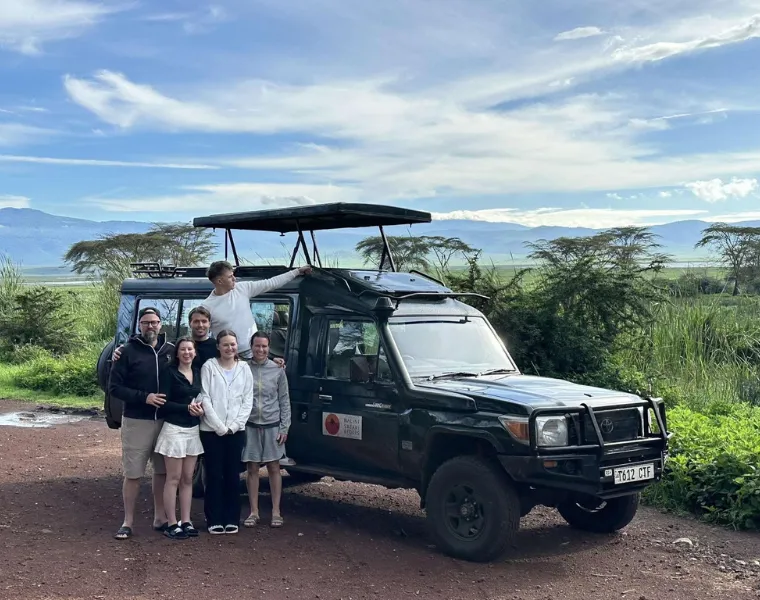
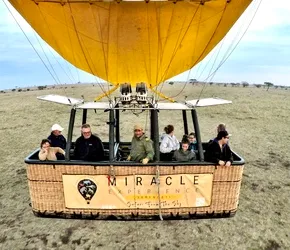



Tanzania offers unique and fascinating wildlife experiences all year round


January - March
This is a fantastic time to travel. The lush, green landscapes create beautiful contrasts with the savannah, and the abundance of newborn animals attracts many predators. Temperatures are at their highest during these months. January and February are often dry, while the long rainy season usually begins at the end of March. If you travel in early March, you will usually experience the parks at their best, as it is beautiful, peaceful, and there are fewer tourists than during the high season.


April - May
This is the long rainy season, when it can rain for several days at a time. The parks are at their greenest and most lush, and the temperature is pleasant. The advantage of traveling now is that there are very few tourists. The disadvantage is that the roads can be difficult to navigate, and during heavy downpours, the car's roof and windows must be kept closed, which affects the experience. Many animals also seek shelter when it rains the most. Therefore, we do not recommend this period.


June - September
The long dry season is considered one of the best times for safaris. The vegetation is low, making it easier to spot animals, and many gather at waterholes. The weather is clear and dry, and this is the coolest period of the year. In Tarangire, this is a fantastic safari season as large numbers of animals make their way to the Tarangire River. During July and August, there are many visitors to the parks, so if possible, June or September is preferable.


October - November
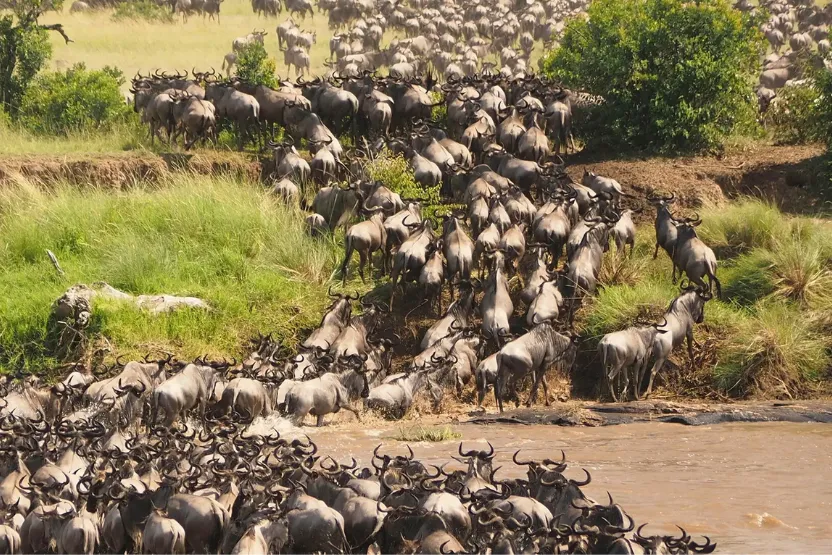
Autumn is an excellent time to travel, with relatively few tourists and wonderful wildlife experiences. The migration returns south and the animals are often seen entering the Serengeti. There may be short rain showers, but they usually fall in the evening and disappear quickly, leaving a greener landscape and pleasant temperatures. The October break is a perfect week for a safari. December is also good, but Christmas and New Year's Eve are peak season with more tourists. If you can travel in early December or early January, that's even better.
Tanzania in figures
10.000
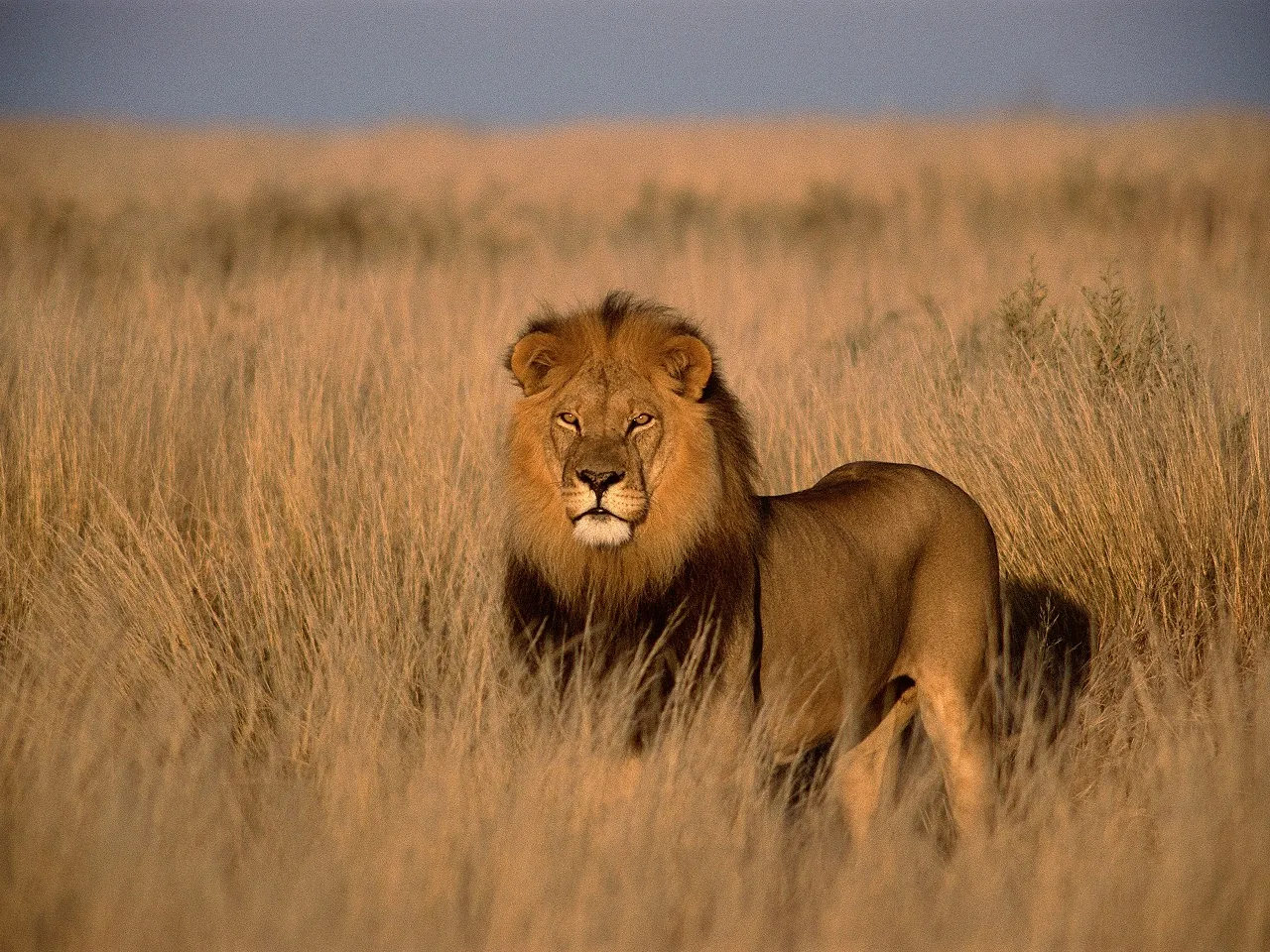
The total number of lions currently living in the wild.
1000
The different bird species found in this region.
162
Kilimanjaro's height measured in meters above sea level.
26°
The average temperature during the year.
1100 KG
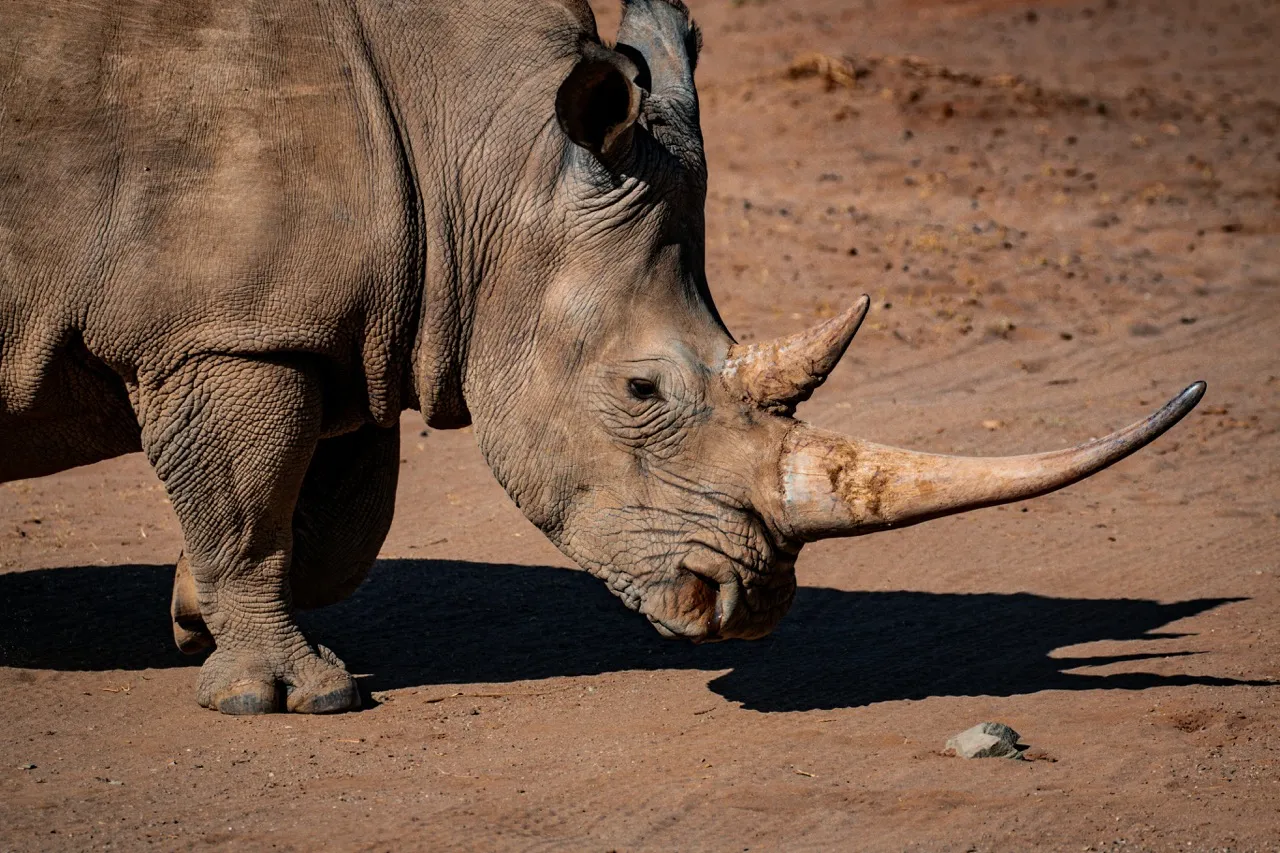
The average weight of a rhino in the wild.
400.000
The estimated population of Maasai living in Tanzania.
Good to know
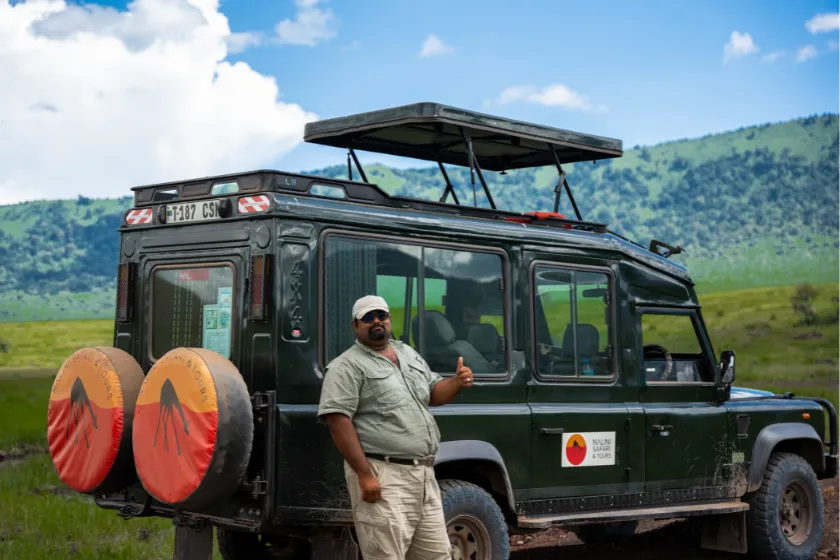
Robust and reliable safari jeeps
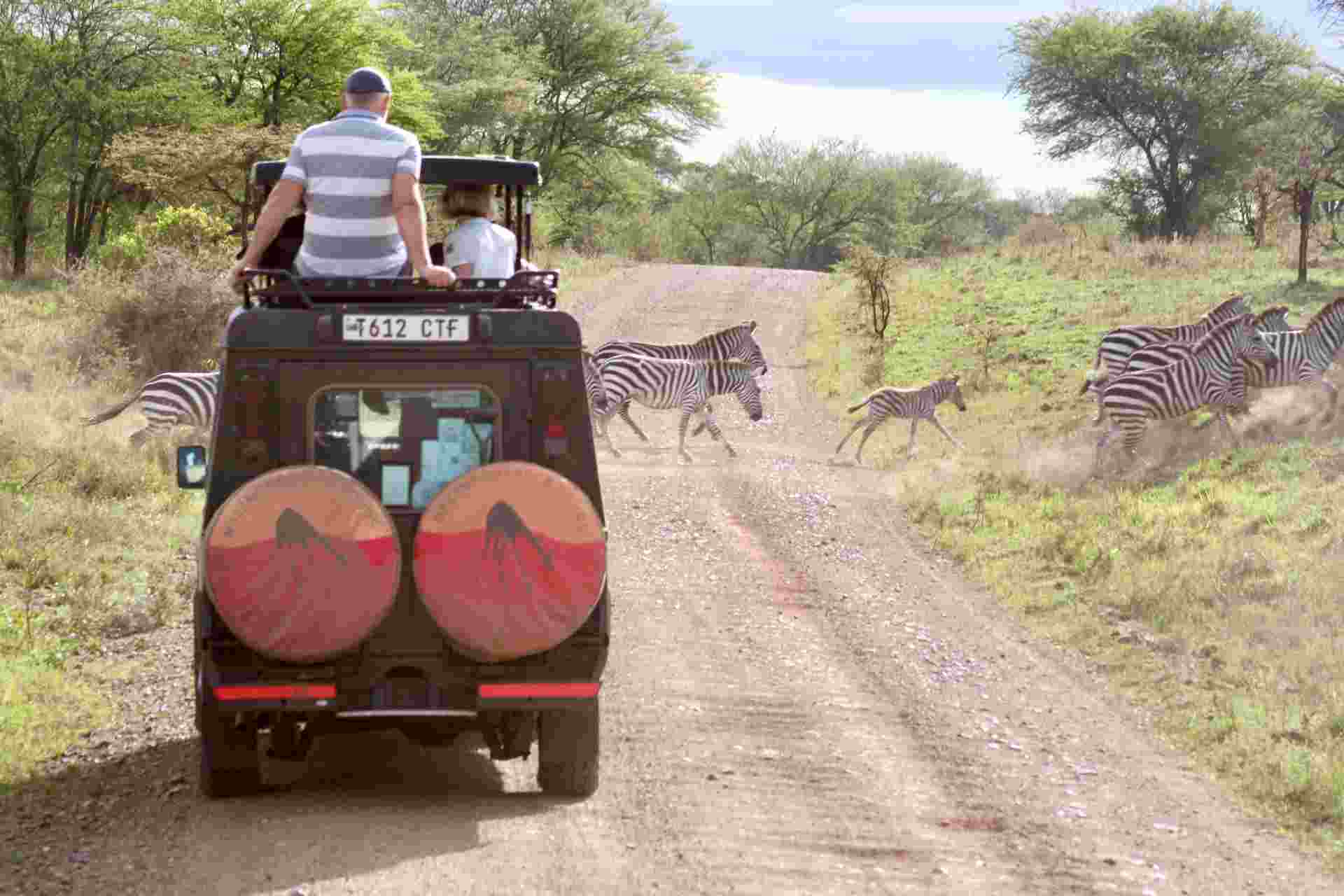
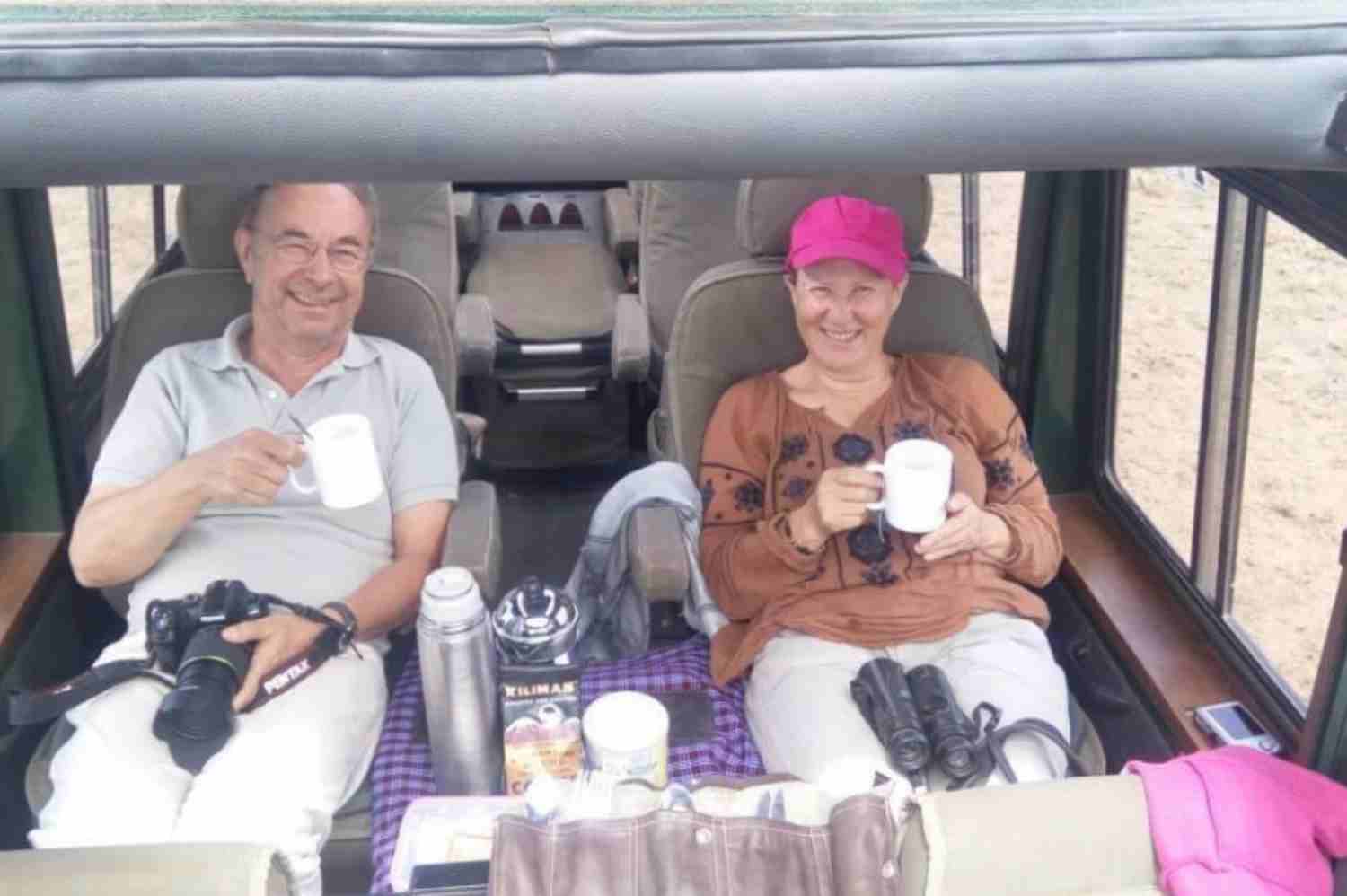
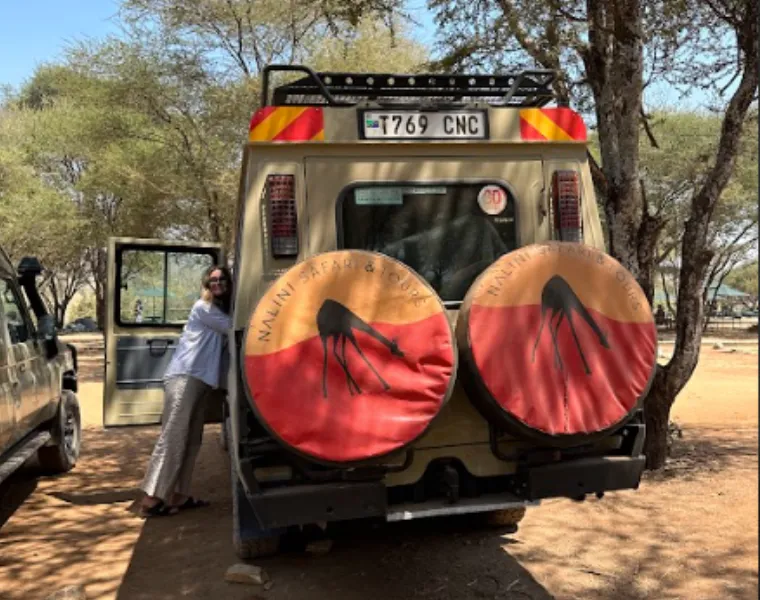
We use four-wheel drive Toyota Land Cruisers for all our safari tours in Tanzania. To ensure high quality and reliability, each jeep undergoes servicing after every trip. The roads to the parks are often paved, but inside the parks the terrain is more uneven, which makes for a slightly bumpy ride. However, our vehicles are equipped with comfortable soft seats for the most pleasant experience possible.
All our jeeps offer:
- seating for up to 7 passengers, all with their own window seat
- retractable roof offering unobstructed views of the savannah
- power outlets for charging mobile phones, cameras, and other equipment
- cool box where you can store any beverage
We are happy to help you book your airline tickets.
We have access to a system where we can compare a large number of flights and come up with several options based on your preferences, such as departure date, airline, number of stopovers, or departure city. We can book flights from most countries, not just Sweden.
The journey from Sweden usually takes around 14 hours, depending on the route.
If we find an option that suits you, we can also reserve the tickets, which means that the price is locked in for a short period while you consider your options. A reservation is not binding and can be canceled at any time if you decide not to proceed.
You are also welcome to book your own flight if you prefer.
- For a pure safari trip in Tanzania, it is easiest to fly to and from Kilimanjaro (JRO).
- If you combine a safari with Zanzibar, we recommend a multi-city ticket: fly to Kilimanjaro and home from Zanzibar (or vice versa if you want to end with the safari).
During certain periods in high season, we also have pre-booked airports on selected dates, which usually makes the price a little cheaper.
We usually book domestic flights between the mainland and Zanzibar, but you can also choose to do this yourself.
Currency & payment in Tanzania
Tanzania primarily uses Tanzanian shillings (TZS), but USD is sometimes accepted. However, it is often more expensive to pay in USD.
- Withdrawing money
Tanzanian shillings cannot be exchanged in Sweden, so you will need to withdraw money locally. There are ATMs at the airport, in Arusha, and in Moshi. - Card payments
Most restaurants and hotels acceptcard payments, but there are still places where you can only pay in cash or where the card machine does not work. Therefore, it is important to always have cash as a backup. - Small bills
It is smart to have small bills for buying fruit, water, snacks, or souvenirs. Therefore, be sure to ask for small bills when you shop at the beginning of your trip. A good plan is to withdraw a small amount at the airport when you arrive, and then withdraw more as needed after the safari. - Haggle with consideration
Prices are often negotiable, but do so with respect. Avoid haggling just for the sake of it, as many sellers operate on very small margins.
Clothing tips for your safari in Tanzania
This may be good to keep in mind before going on a safari
- The roof of the safari jeep provides good sun protection, so full-coverage clothing is not necessary. Feel free to choose light, airy, and loose-fitting garments.
- Avoid bright colors, black, and dark blue, as these can attract insects.
- The Ngorongoro area is located at high altitude and can be quite cold, especially in the mornings and evenings. Therefore, bring a warm sweater or jacket.
- When visiting Moshi, Arusha, or other cities, it is advisable to dress respectfully.
- Bring shoes with thick soles that can handle uneven terrain and protect against sharp thorns.
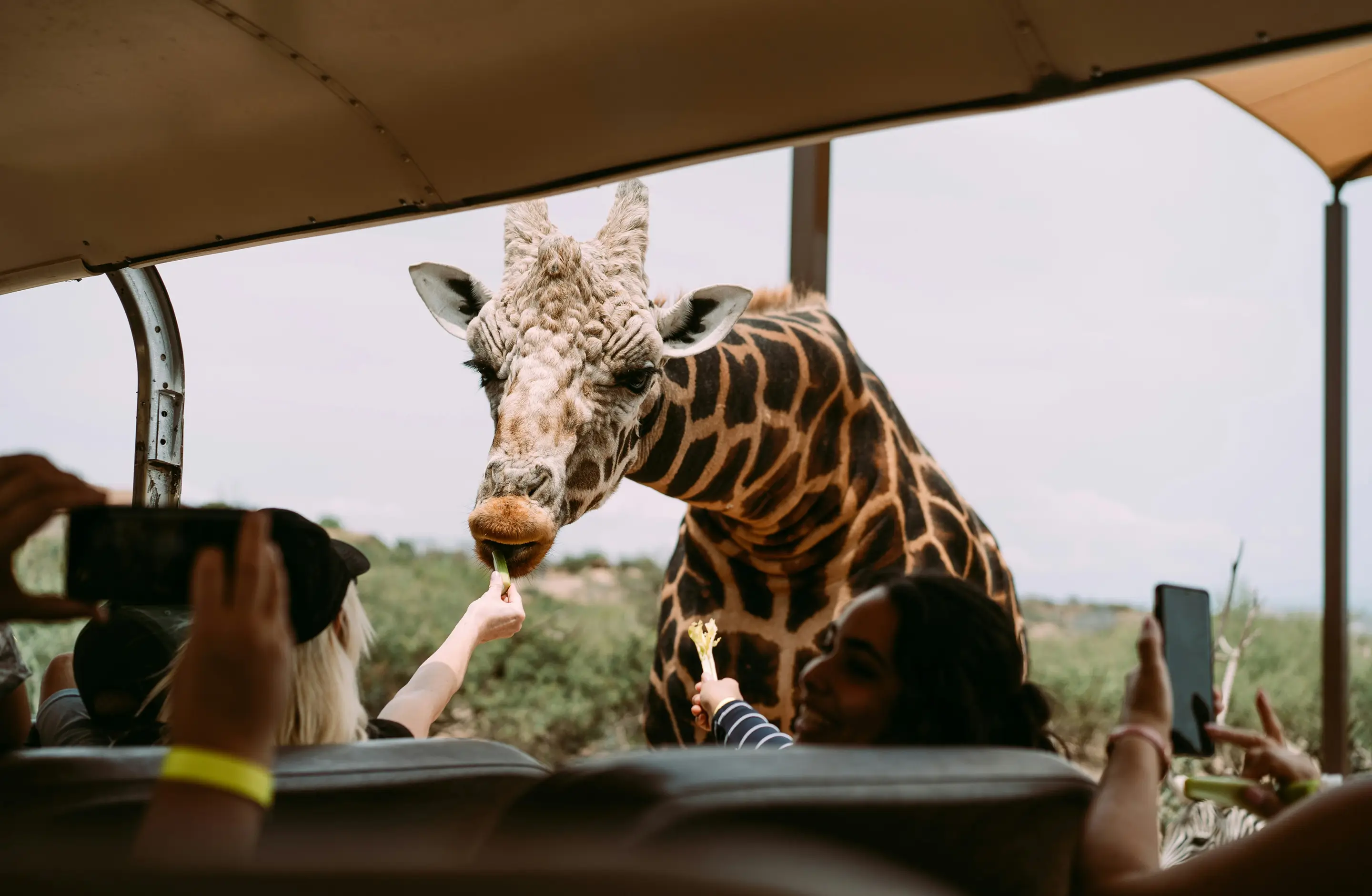
Visit some of Africa's most iconic areas
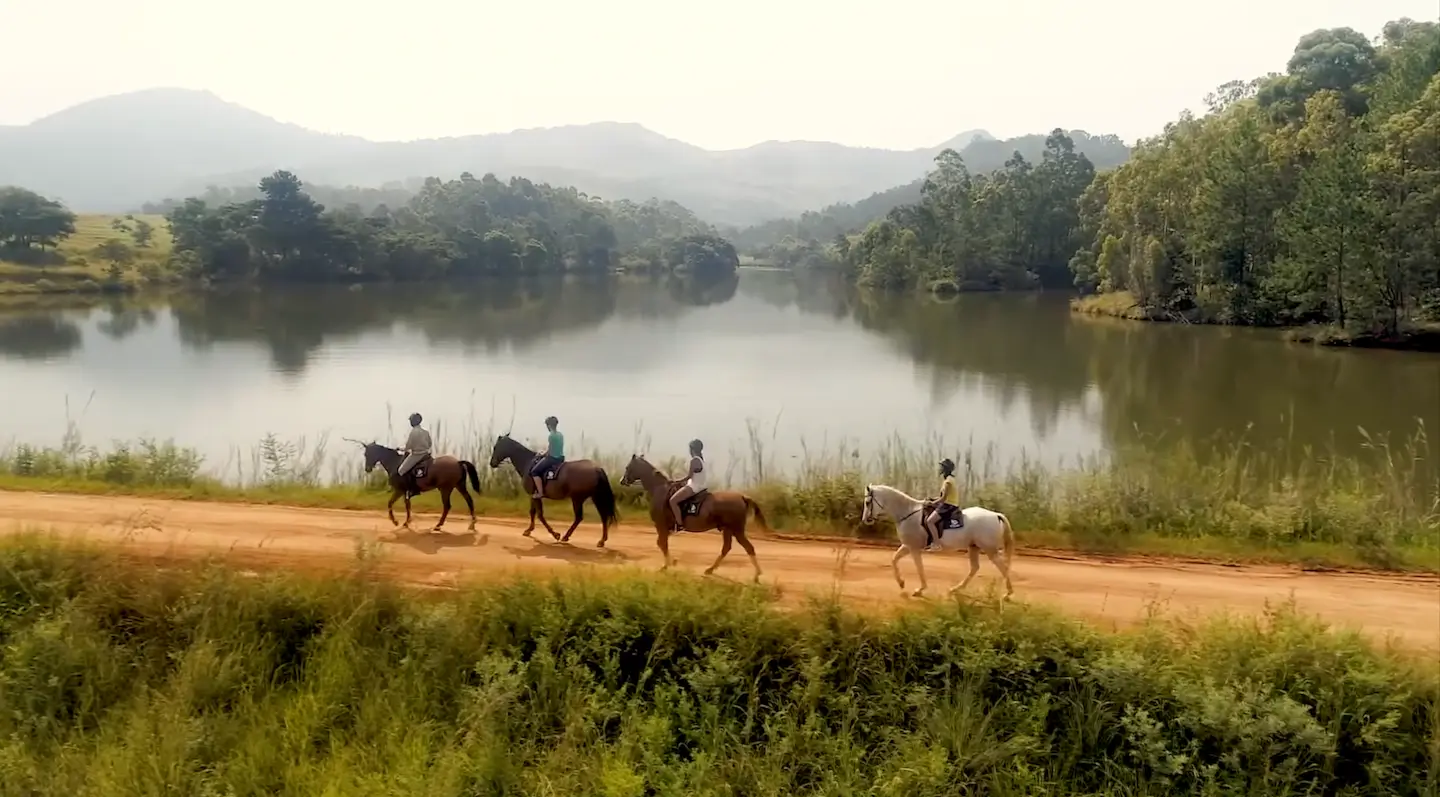
Fill your trip with unique and memorable adventures
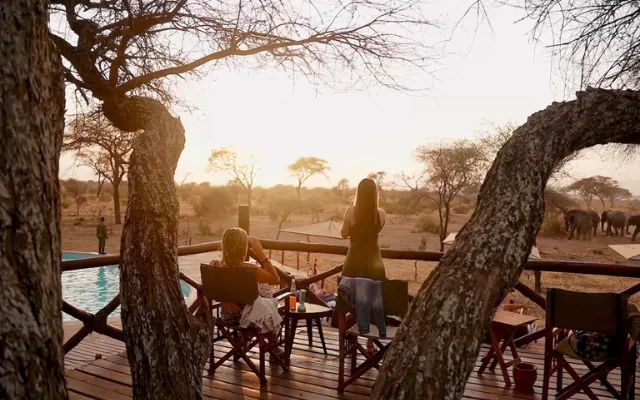
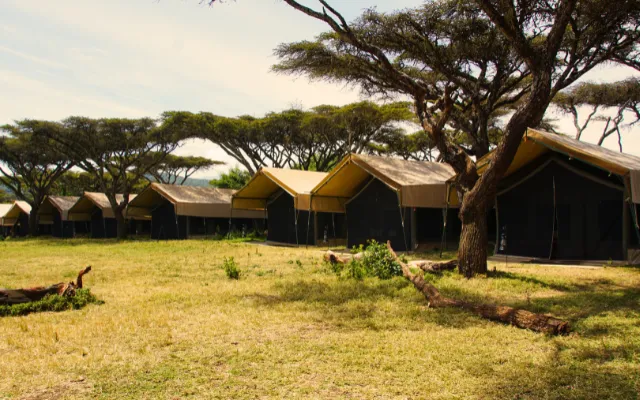
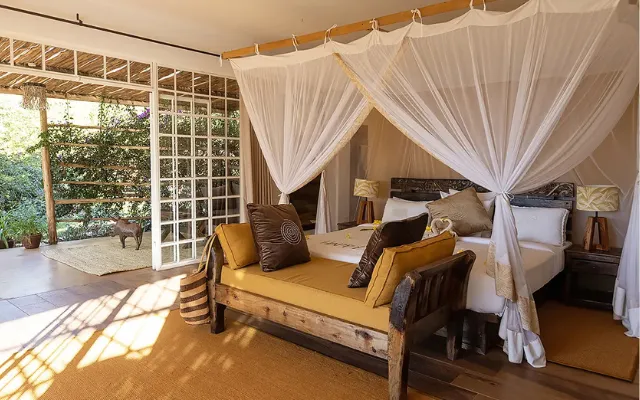
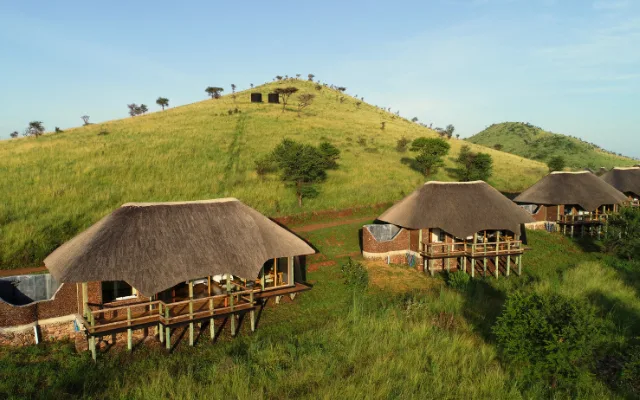
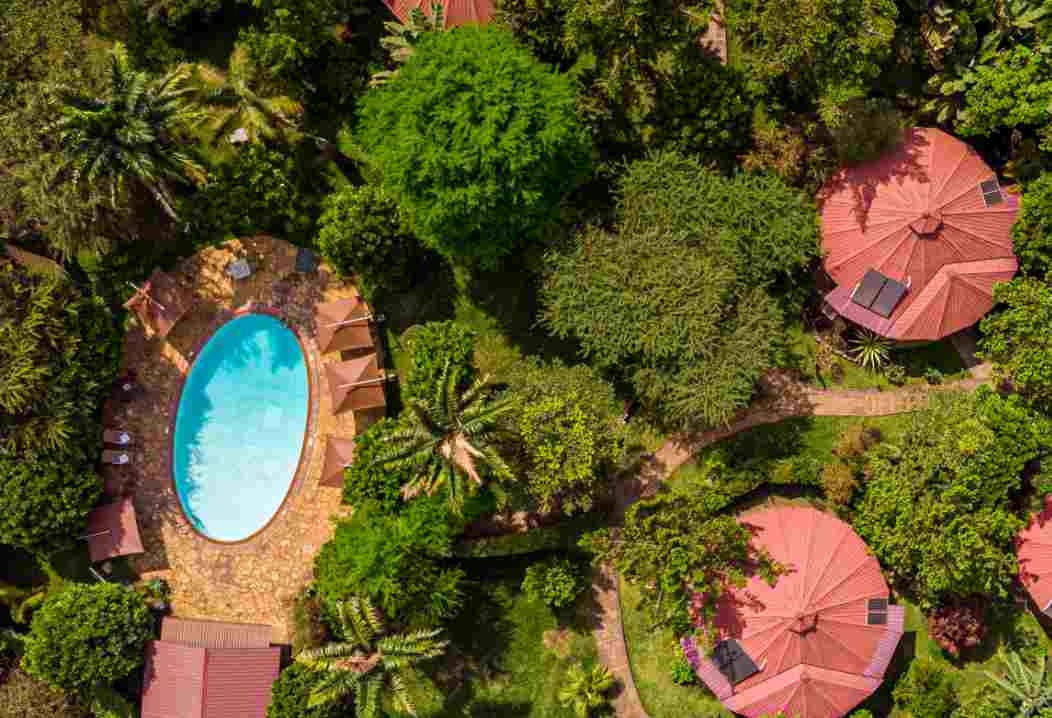
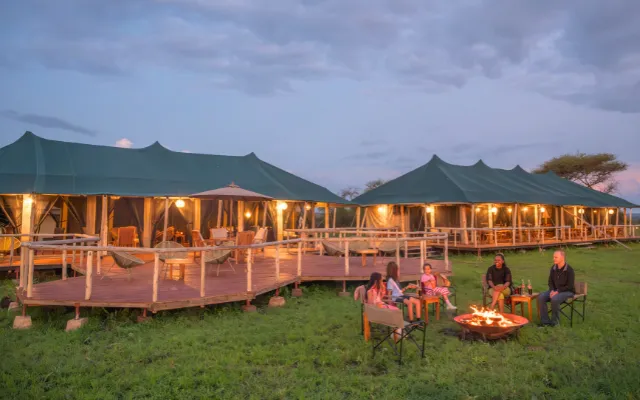
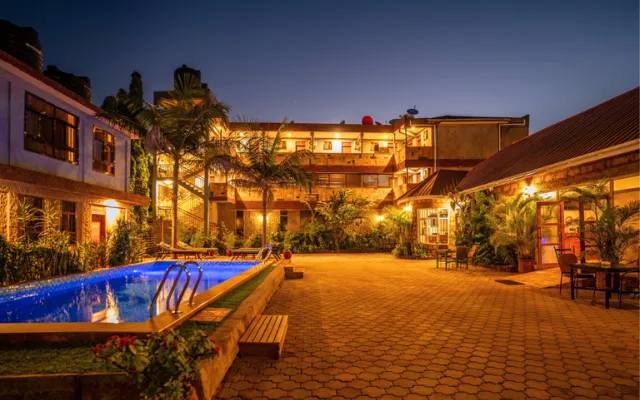
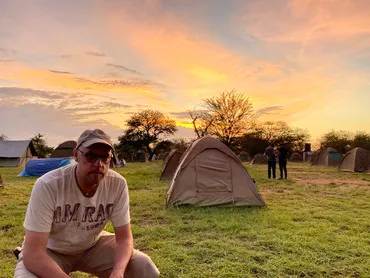
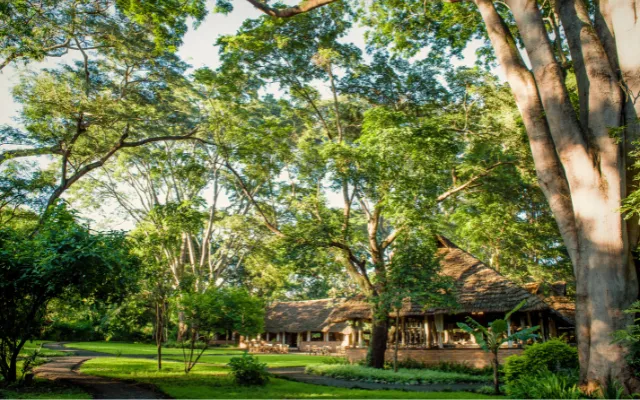
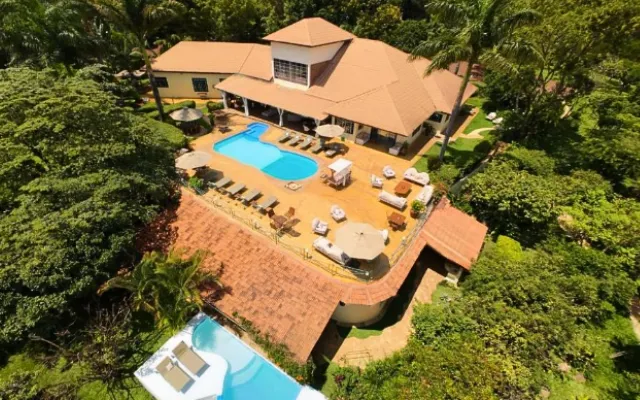
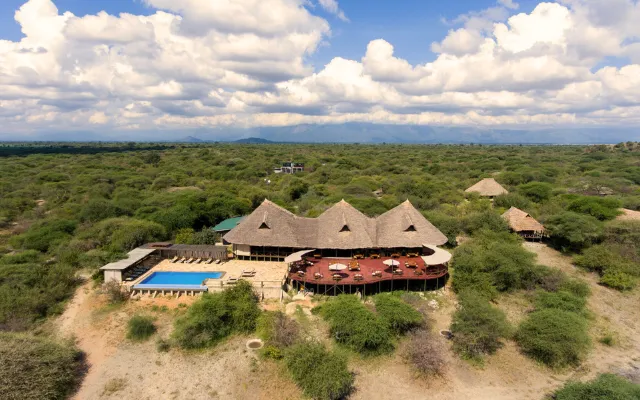
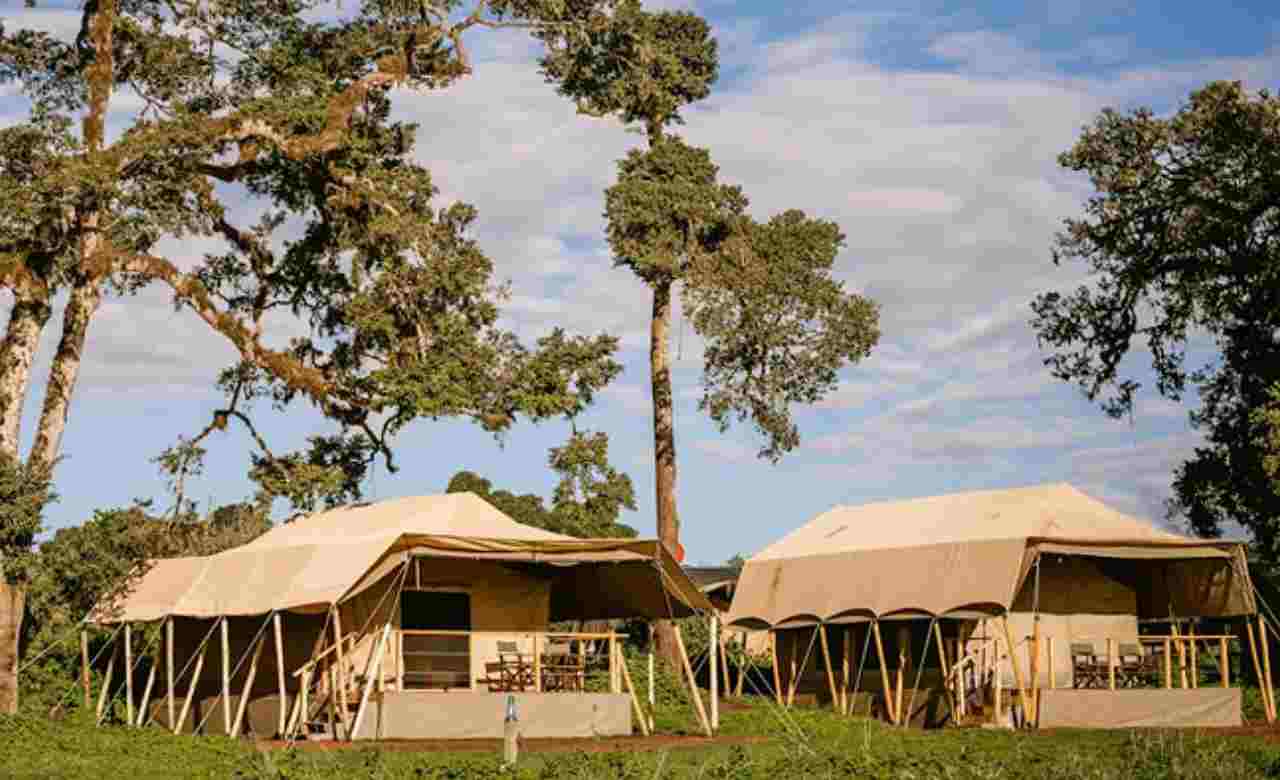
Recommended accommodation
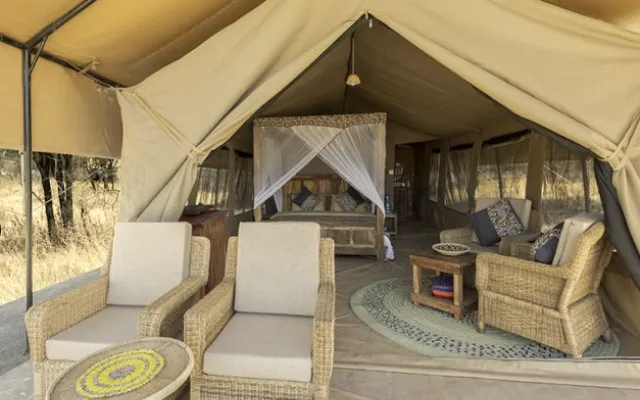
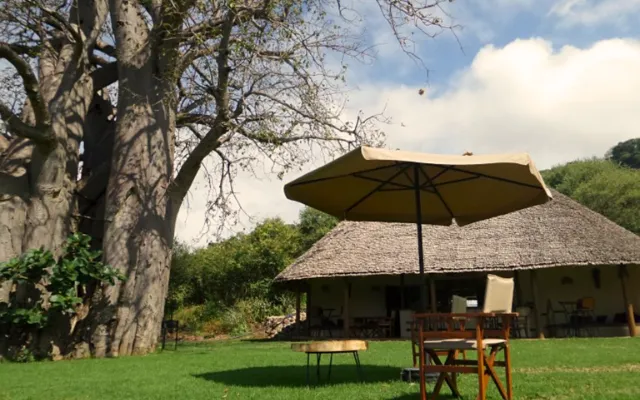
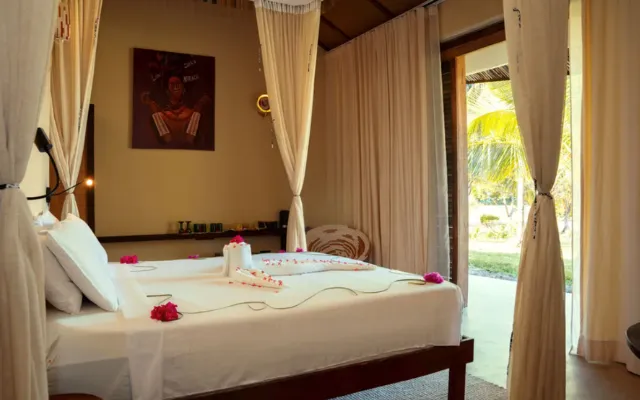
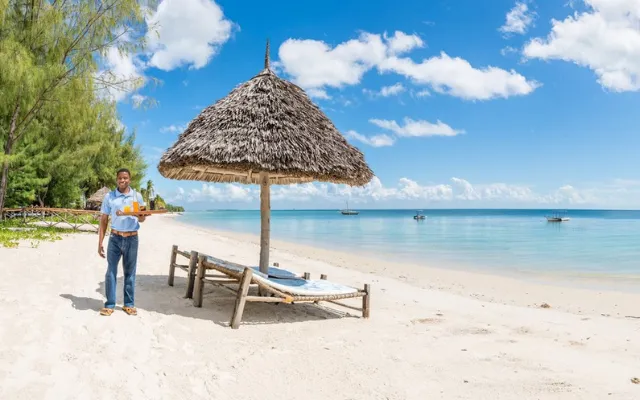
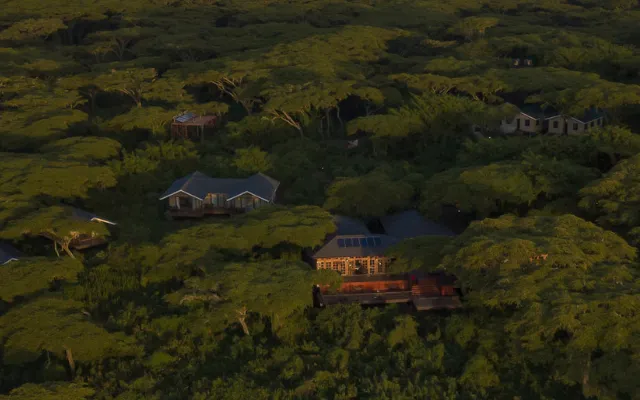
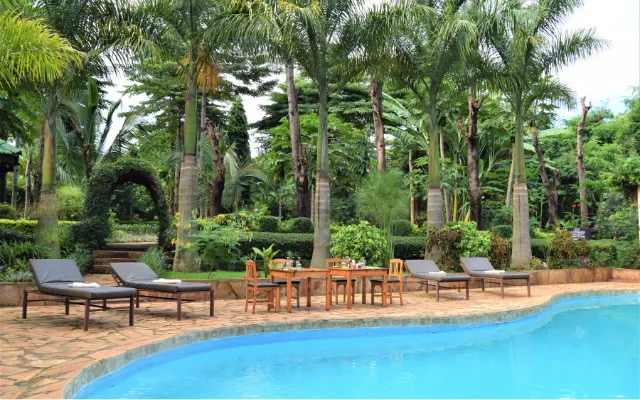
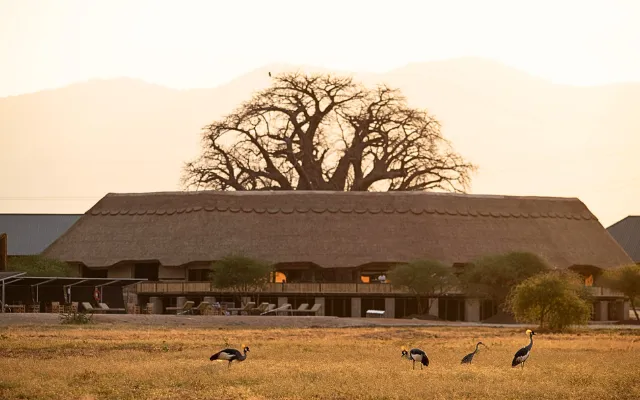
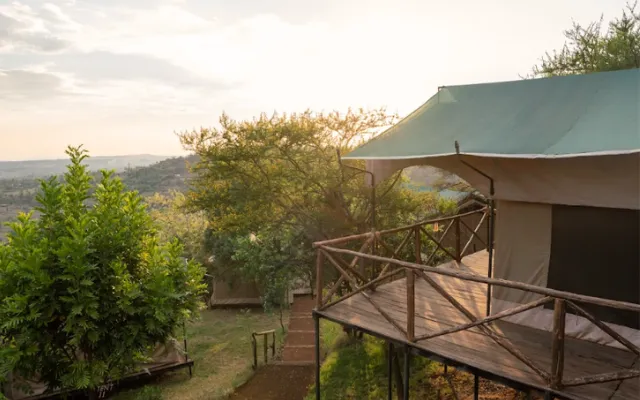
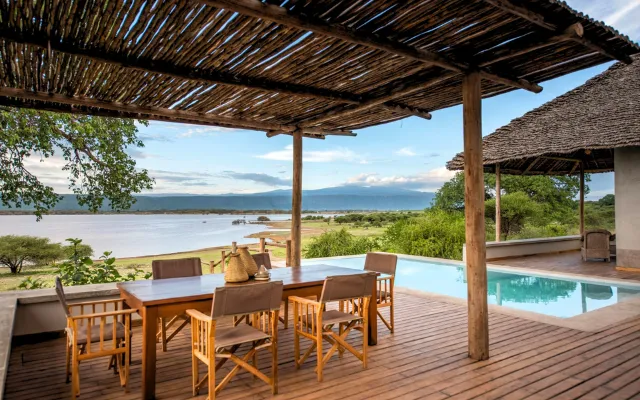
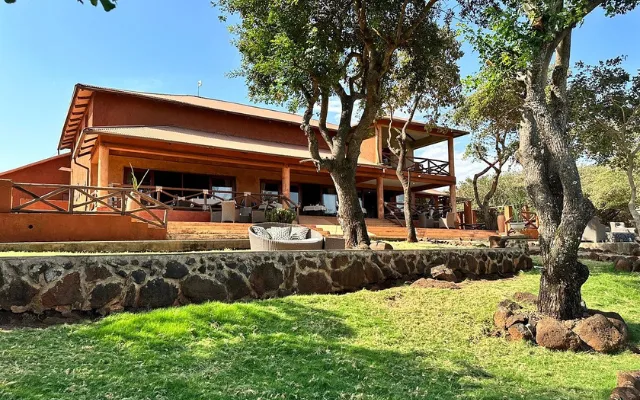
Here are some recommended accommodations for this destination
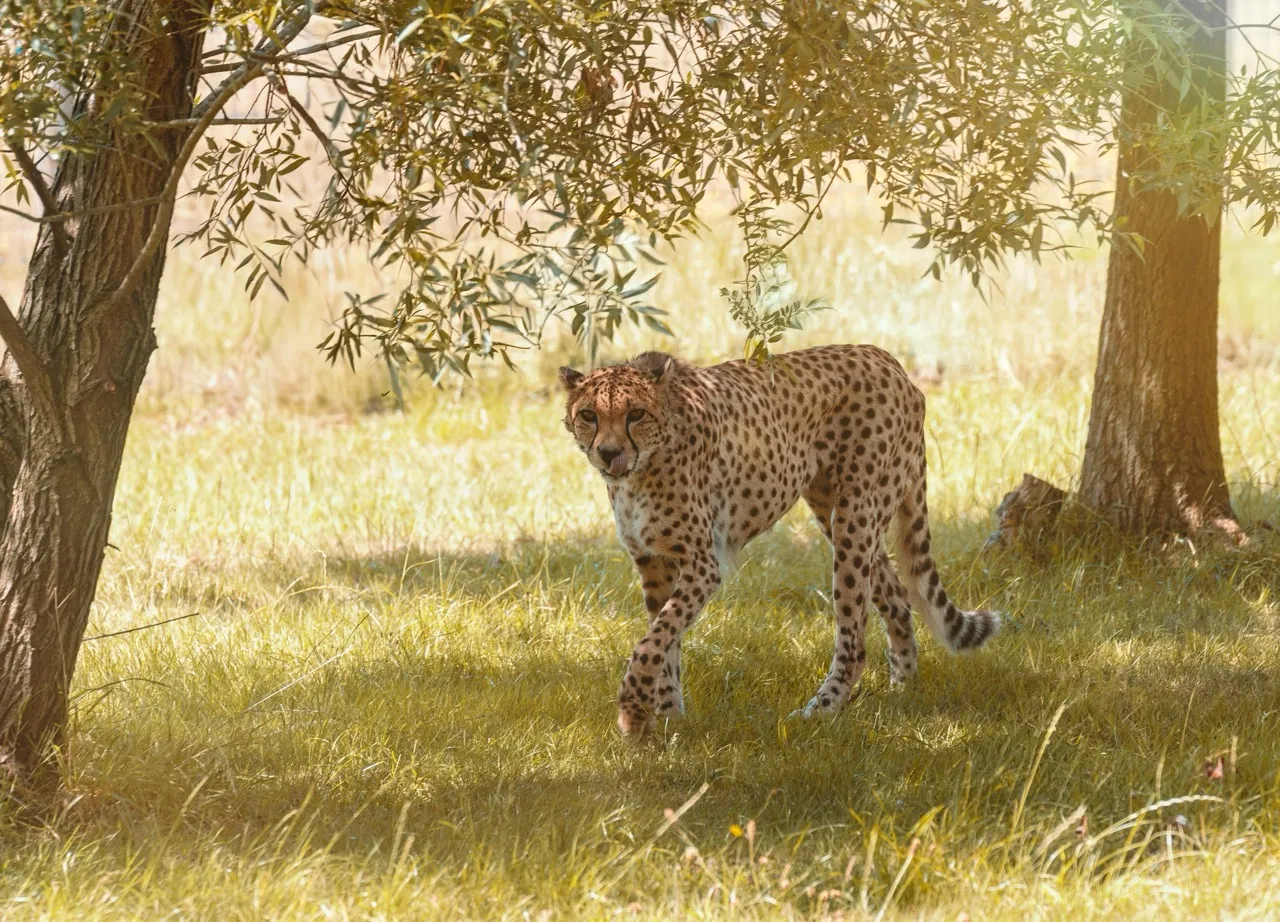
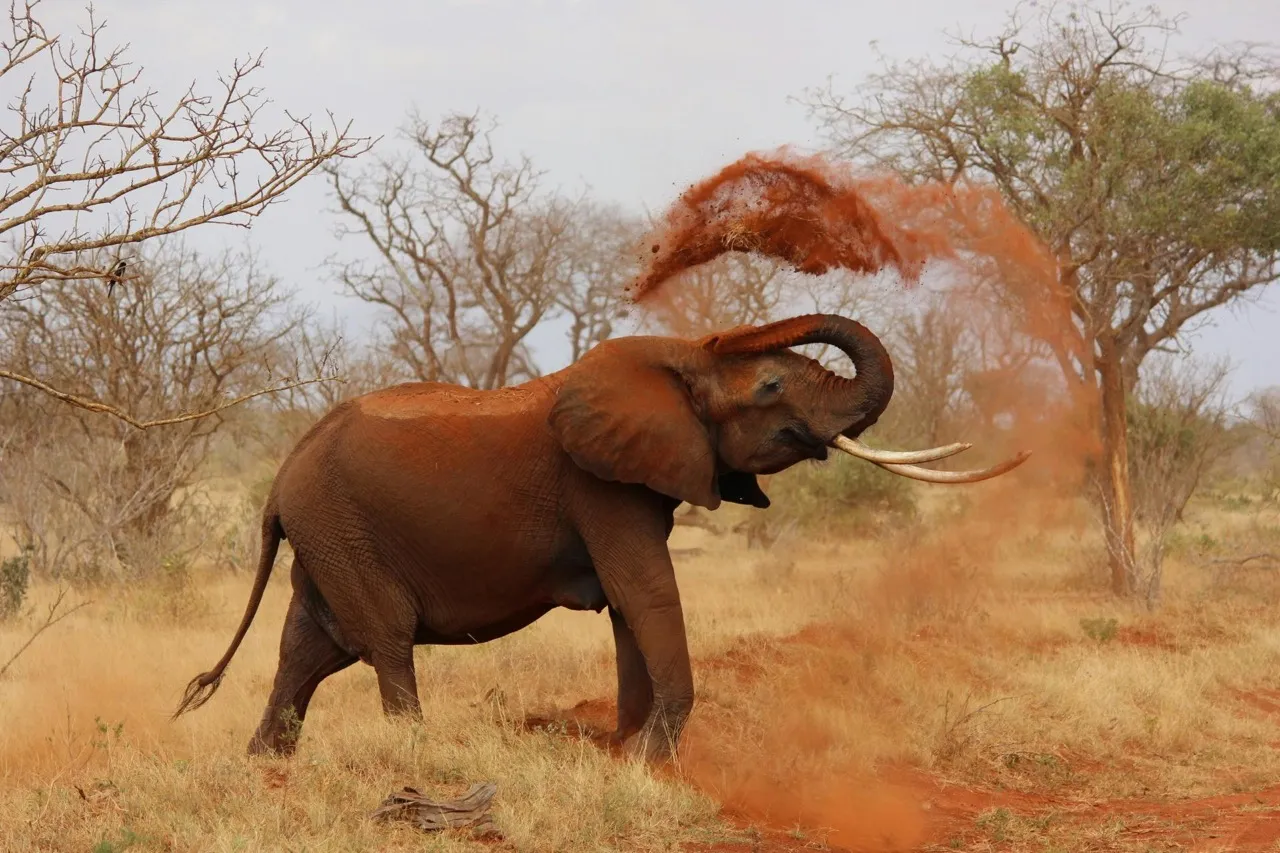
Meet 'The Big Five'
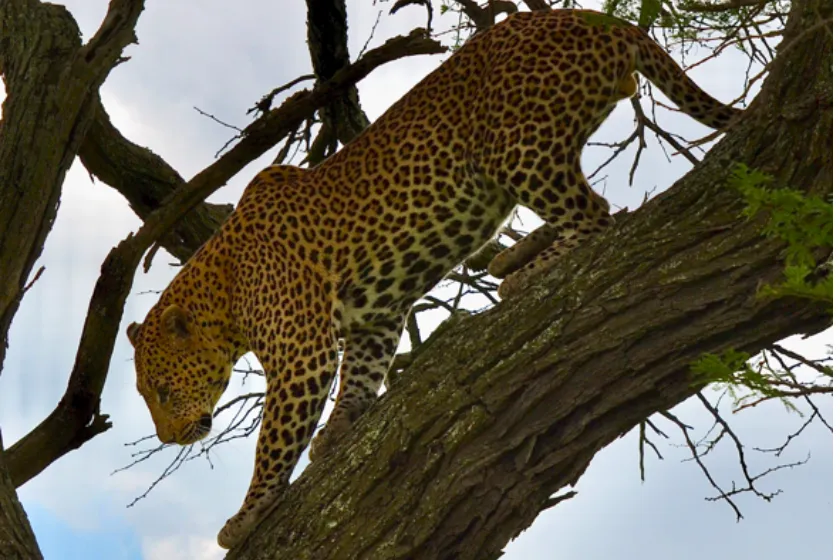
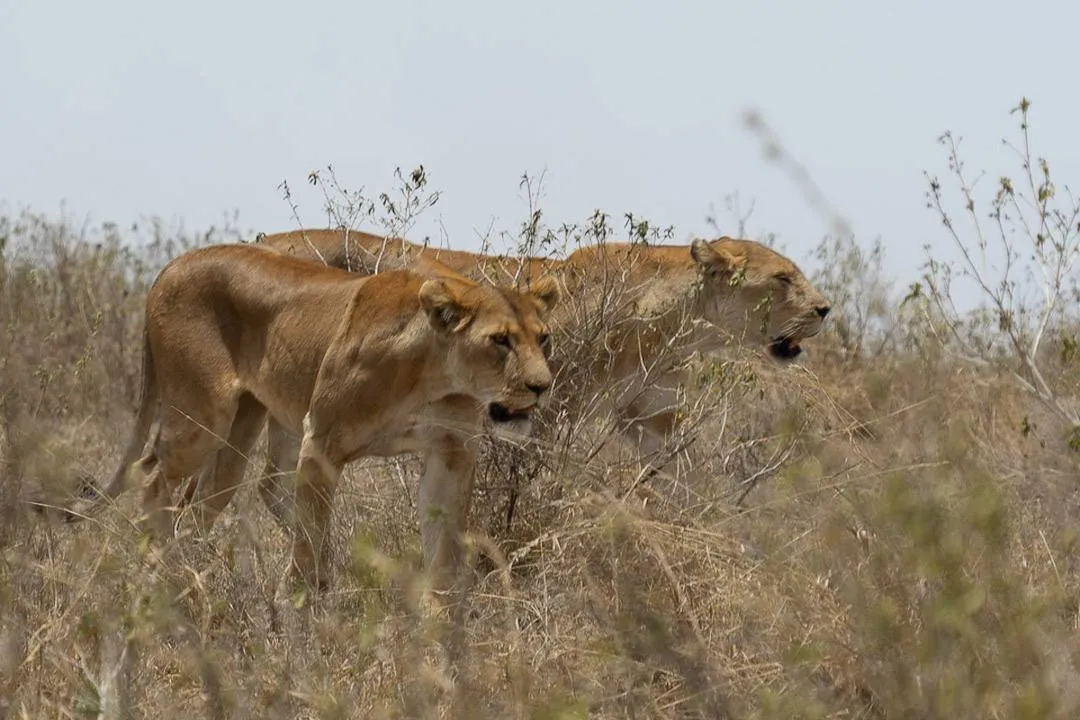
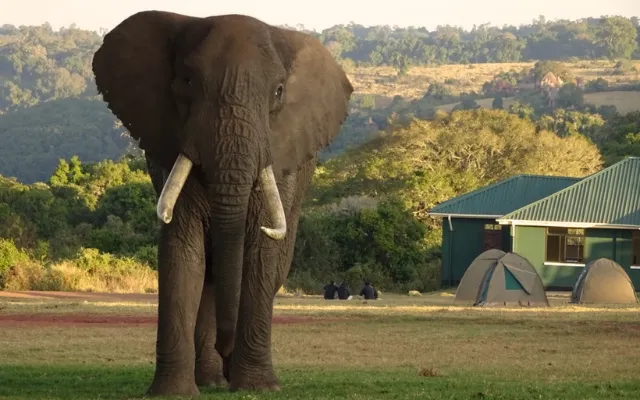
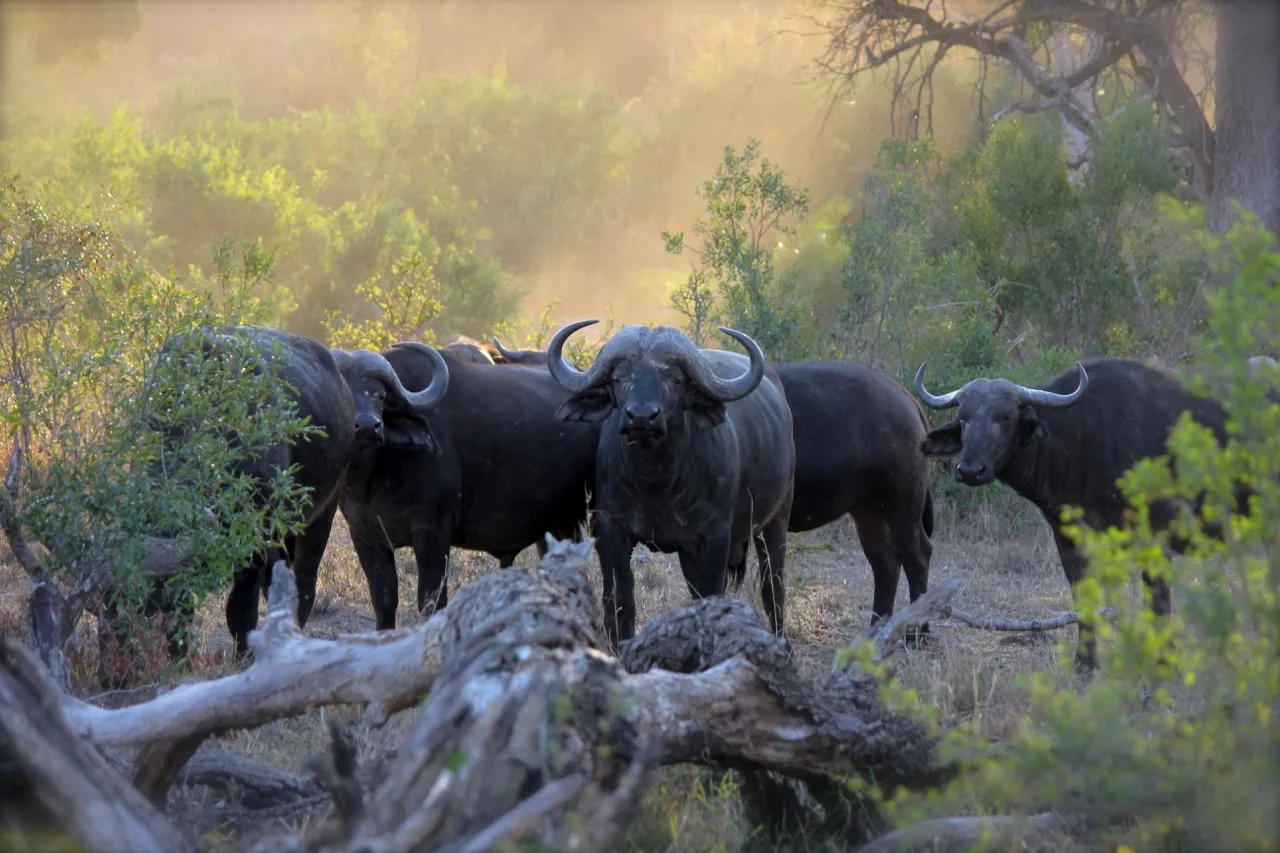
On a safari in South Africa and Tanzania, you’ll have the chance to see lions, leopards, rhinos, elephants, and buffalo.

Frequently asked questions & answers
Make a booking request
Your request is not binding and you can of course change the number of days or make other requests. We will get back to you as soon as possible!