Best time for safaris
Advantages of different seasons
Africa offers fantastic wildlife experiences all year round. Although animal movement patterns are affected by seasons, rainfall, and water availability, there are always good opportunities to see rich wildlife in the continent's many national parks and reserves.
In Tanzania, one of the world's most animal-rich safari countries, you can experience safaris throughout the year. Animal populations and environments change with the seasons, but no matter when you travel, there are always plenty of wild animals to see. Some periods are better suited to specific experiences, such as migration, calving, or lush landscapes, while others offer drier climates and easier wildlife viewing.
Safaris are also possible year-round in South Africa. The country's varied climate and well-developed reserves, such as the Kruger area and private game reserves, make it a very flexible destination. During drier periods, animals gather around waterholes, providing excellent conditions for safaris, while rainy seasons offer lush landscapes, fewer visitors, and many newborn animals. So there is no single period that is "best" for safaris in Africa – it all depends on what you want to experience.
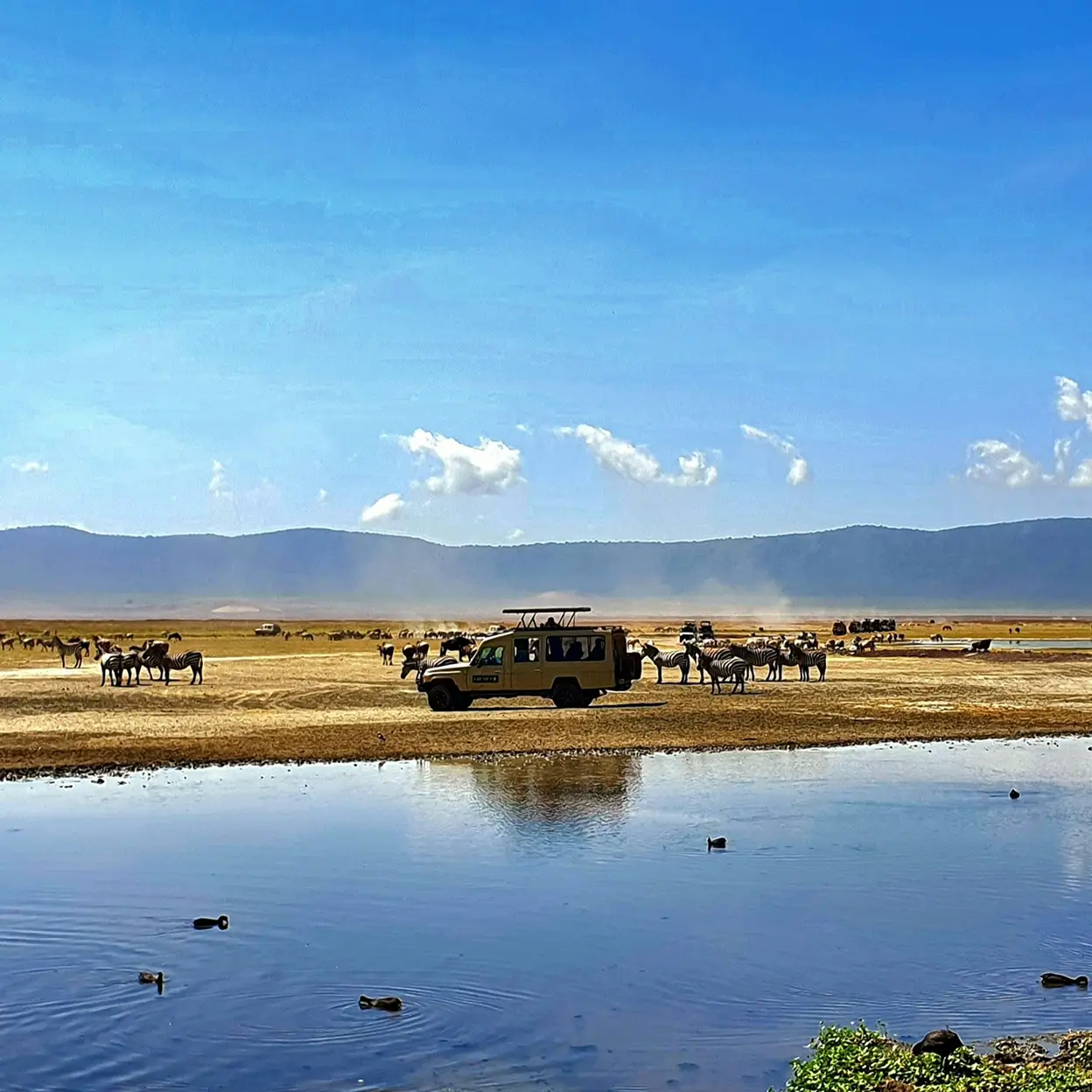
Tanzania
Tanzania has a tropical climate and is warm all year round thanks to its location near the equator. Instead of distinct seasons like in Sweden, the climate alternates between dry periods and rainy periods. The daytime temperature is often between 25–30 degrees Celsius, but in the safari areas, which are located at an altitude of 800–1,800 meters, evenings and nights can be cool, especially during the winter months. The climate is generally considered pleasant because the air is dry and rarely oppressive.
The dry seasons usually occur between December and March and June and September. During the long dry season from June to September, safaris are particularly good as the vegetation is sparser, the animals gather at waterholes, and there are fewer mosquitoes. However, in July and August, there are many tourists in the parks.
The long rainy season from April to May brings heavier rain and is less ideal for safaris. The short rainy season from October to mid-December usually consists of short showers, often in the evening, and rarely affects the safari experience negatively. The landscape is green and lush, with fewer tourists in the parks and good wildlife viewing.
The weather varies from year to year and the rainy seasons can be difficult to predict, but Tanzania offers excellent safari experiences throughout most of the year – with different advantages depending on the season.
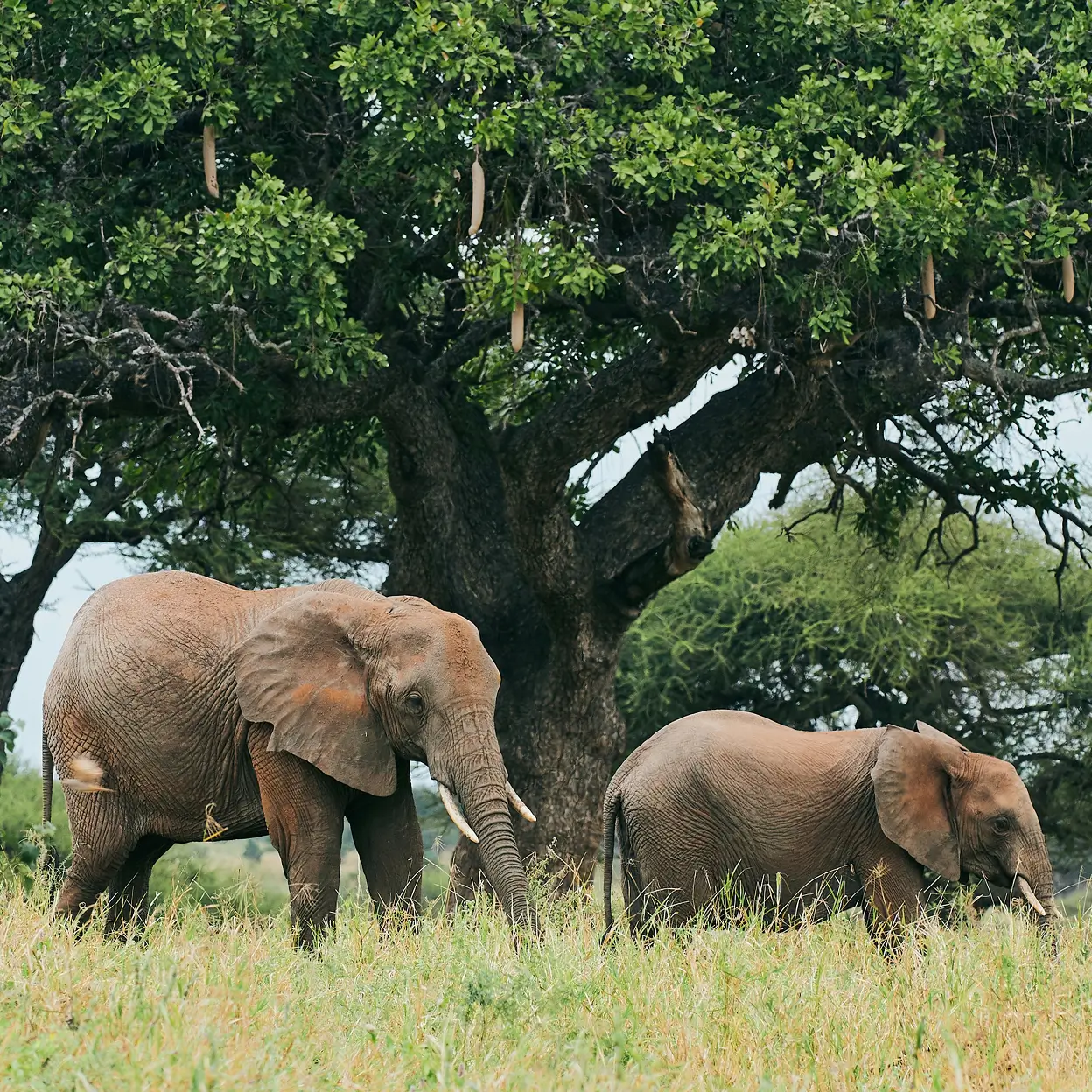
South Africa
South Africa has a varied climate that differs significantly between different parts of the country. In general, the country has opposite seasons to Sweden, with summer from November to March and winter from June to August.
The summer months (November–March) offer warm temperatures, often between 25–35 degrees Celsius. This is a good time to visit Cape Town. In safari areas such as Kruger, this is also the rainy season, but the rain usually falls in the form of short afternoon or evening showers. The landscape is green and lush, and this is a fantastic time to see newborn animals. February is usually the warmest month.
Winter (June–August) is dry and cooler, especially in the safari areas. Daytime temperatures are often around 18–25 degrees, while mornings and evenings can be chilly. This is a good time for safaris as the vegetation is sparser and the animals gather at waterholes, making them easier to spot.
Cape Town and the Western Cape have a Mediterranean climate, which means rainy winters. During the winter months, Cape Town can be cool and rainy, with temperatures around 10–18 degrees Celsius.
Spring and fall (April–May and September–October) are considered very pleasant times to travel. Temperatures are mild, there are fewer tourists, and the weather is stable in most parts of the country. These months are ideal for trips that combine safaris, cities, wine, and the coast.
In summary, South Africa is a destination that can be visited all year round – but different seasons are suited to different experiences, and the choice of time depends on what you want to prioritize during your trip.

Zanzibar
Zanzibar has a tropical climate with year-round warmth and pleasant temperatures that usually range between 25–32 degrees Celsius. Thanks to its location in the Indian Ocean, the climate is influenced by sea breezes, which means that the heat is rarely oppressive, even during the hottest months. However, humidity is significantly higher than on the mainland, especially during the rainy seasons.
February is usually the warmest month, while July is the coolest.
The long rainy season usually occurs during April–May, when there can be heavier and more persistent rain. This is the low season on the island and some accommodations may be closed. The short rainy season in November usually consists of shorter showers, often in the afternoons or evenings, and rarely affects your stay to any great extent, so this is still a wonderful time to visit Zanzibar.
The sea around Zanzibar is warm all year round, making the island an excellent destination for swimming and marine activities regardless of the season. The tides affect beach life, especially along the east coast, where the sea recedes at low tide, creating unique landscapes.
In summary, Zanzibar is a fantastic destination all year round, but the best time to travel is during the dry seasons when the weather is most stable and the island shows itself from its very best side.

When is the best time to go on safari during school holidays?
Safari is a fantastic experience all year round, but different school holidays are more suitable than others depending on the destination, weather, and wildlife. Here is an overview of how Tanzania and South Africa are suited to the most common school holidays.

Sports holiday
Tanzania
February is a great time to visit Tanzania. It is warm and dry in the safari areas, and wildlife is abundant. In the Serengeti, the great migration is in the southern part of the park, where the wildebeest calving season is underway, which also attracts many predators. Zanzibar offers perfect conditions for sunbathing and swimming.
South Africa
South Africa is also a great destination for the February break. It is late summer with warm weather, green landscapes, and excellent safaris in the Kruger area. Cape Town and the coast also offer beautiful days, perfect for a combination trip with city, wine, and safari.

Easter break
Tanzania
Easter often falls during or just before the heavy rainy season (April–May). It is still possible to travel, but safaris are likely to be affected by rain and muddy roads. The advantage is that there are few tourists in the parks, but it is not the most ideal time for a safari.
South Africa
Easter break is an excellent time to visit South Africa. Autumn has begun, the temperature is pleasant, and the rain is subsiding in the safari areas. The vegetation is slowly thinning out, making it easier to spot animals. Cape Town and the Garden Route have a stable and pleasant climate.
Summer vacation
Tanzania
The summer holidays coincide with Tanzania's dry high season for safaris. June to September are good times to travel here. The animals gather around waterholes, the vegetation is low, and wildlife viewing is fantastic. The climate is pleasant, especially in the safari areas. However, it is also high season with more visitors in July and August.
South Africa
Summer vacation is winter in South Africa. Safaris in Kruger are excellent during this period, with dry, clear weather and a high chance of seeing animals. However, it is cooler and rainier in Cape Town and along the Garden Route, but this coincides with whale season, which makes the coast especially attractive for nature lovers.

Autumn break
Tanzania
October is a great month for safaris in Tanzania. It marks the end of the dry season, which means good wildlife viewing, fewer tourists than during the summer, and often pleasant temperatures. Zanzibar offers warm seas and beautiful beach days.
South Africa
October is spring in South Africa and a perfect time to travel. Nature comes to life, the temperature is pleasant, and it is still a good time for safaris in the Kruger area. Cape Town and the wine regions have nice weather and are less crowded than during the peak summer season.

Christmas break
Tanzania
The Christmas holidays are a popular and excellent time to visit Tanzania. It is dry and warm, wildlife is active, and safari experiences are top-notch. Zanzibar is perfect for ending your trip with sun and swimming. However, Christmas and New Year's are peak season with more travelers.
South Africa
In South Africa, it is the height of summer during the Christmas holidays. Cape Town, the Garden Route, and the coast are at their best with sunshine, swimming, and a lively atmosphere. Safaris in Kruger are also good, although there may be short rain showers. It is a very popular travel period with many travelers in the area.
Experience the great migration in the Serengeti
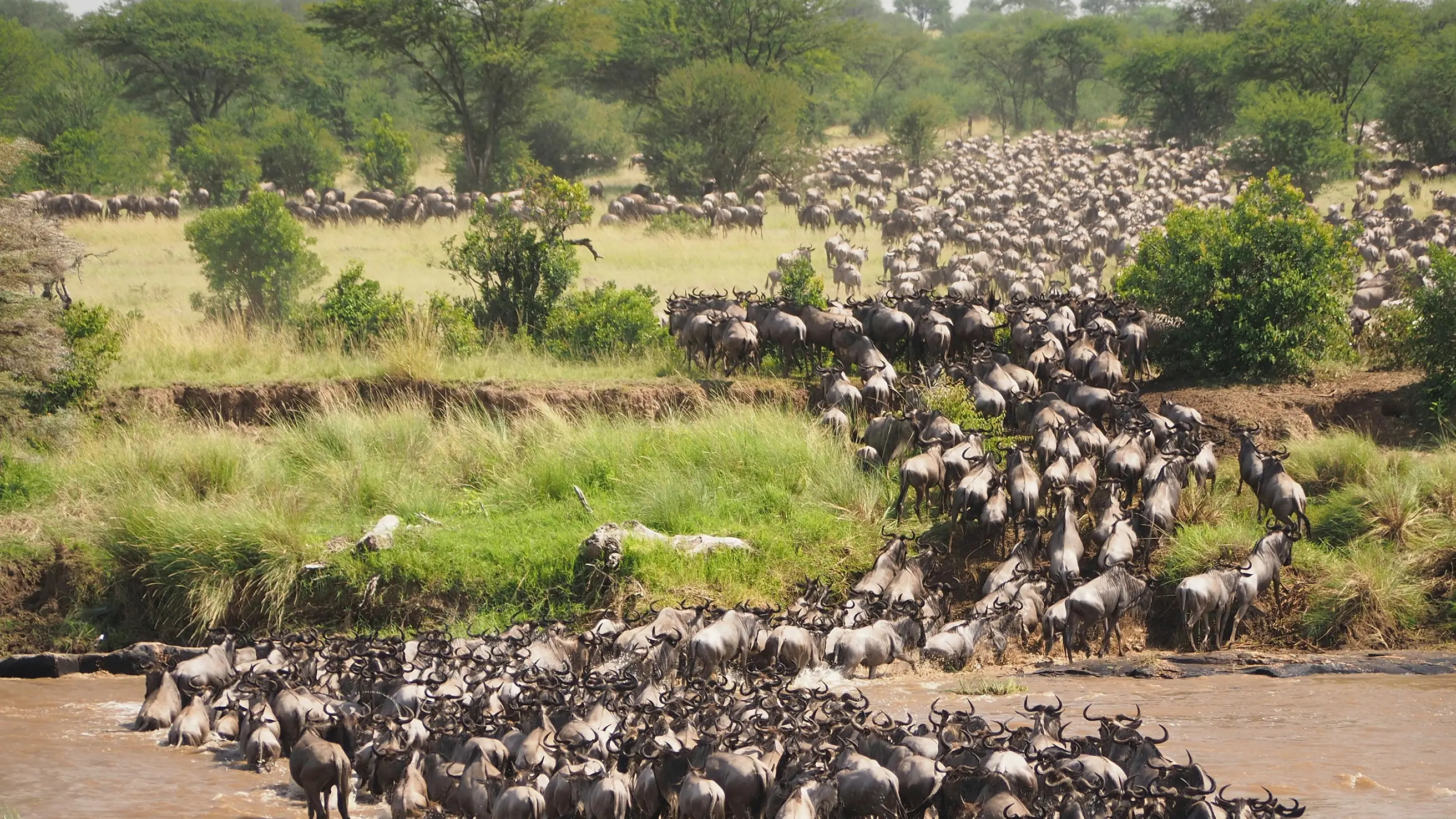
The Serengeti is world-renowned for The Great Migration, the world's largest mammal migration. Every year, up to two million wildebeests, zebras, and gazelles move in a constant cycle between the Serengeti in Tanzania and the Masai Mara in Kenya in search of rain and green pastures. The total distance traveled by the animals can be as much as 2,000 kilometers, making the migration one of nature's most impressive phenomena.
The migration does not follow a fixed schedule but is entirely governed by rainfall patterns, which means that the animals' movements vary from year to year. The wildebeests can smell rain from far away and begin to move as soon as new grazing lands emerge. This makes the migration dynamic and constantly changing.
The animals can be seen in the Serengeti all year round, but in different parts of the park depending on the season. Between December and April, large herds gather in the Ndutu area in southern Serengeti, where calving takes place and thousands of newborn animals come into the world – a period that also attracts many predators. From May to July, the herds move west and north, and later in August and September, the dramatic river crossings take place at the Grumeti and Mara rivers.