Combine safari with Zanzibar




Beach life on East Africa's paradise island
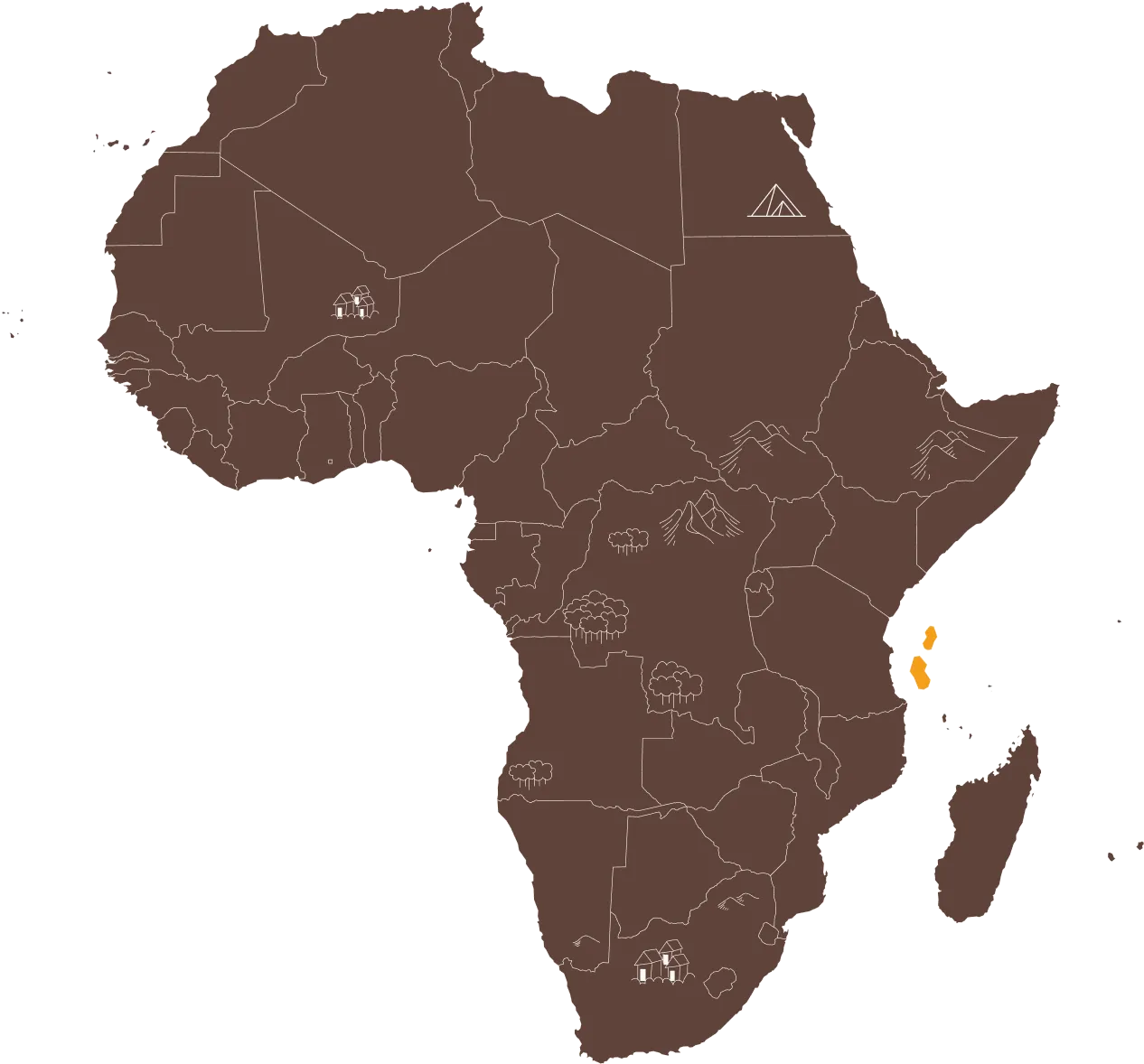
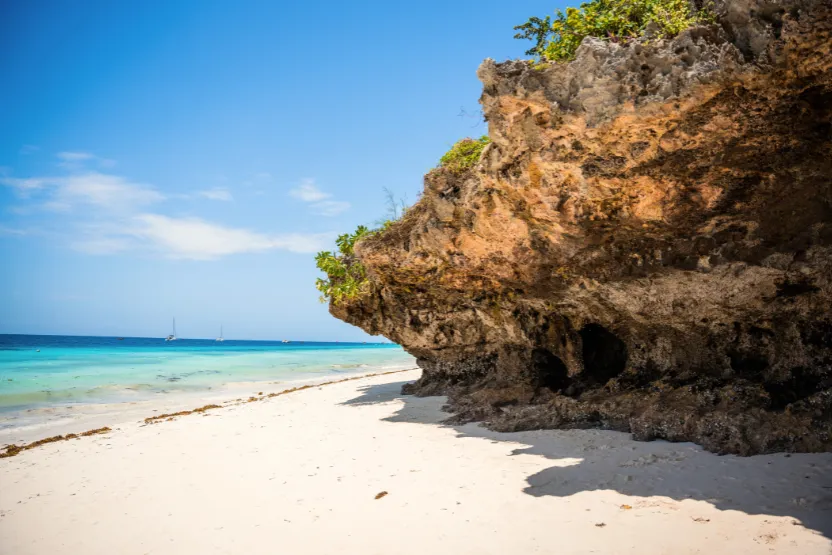
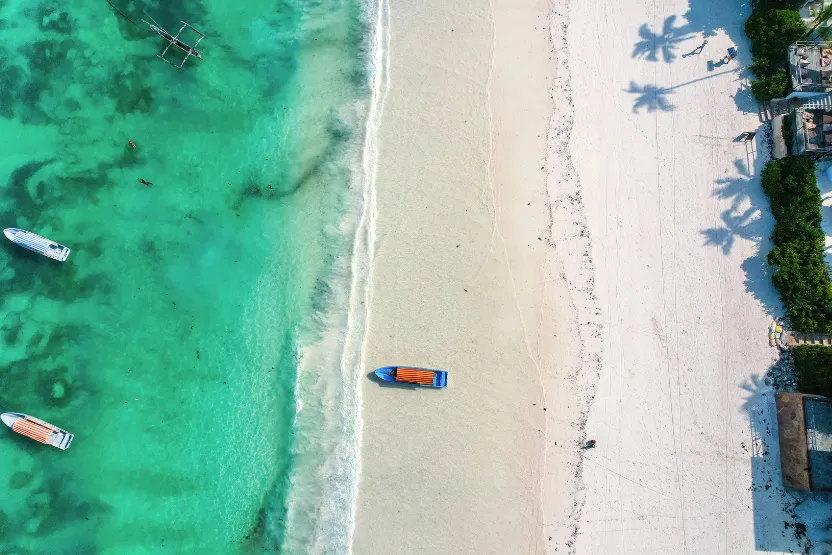
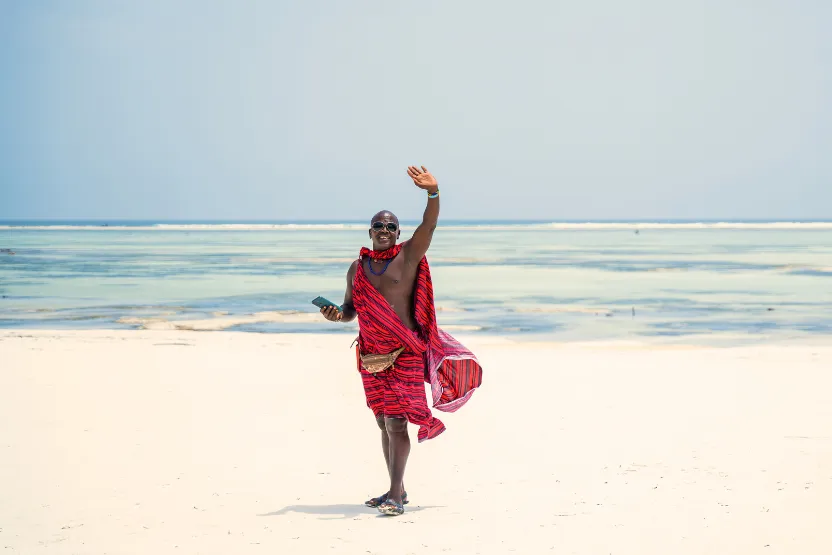
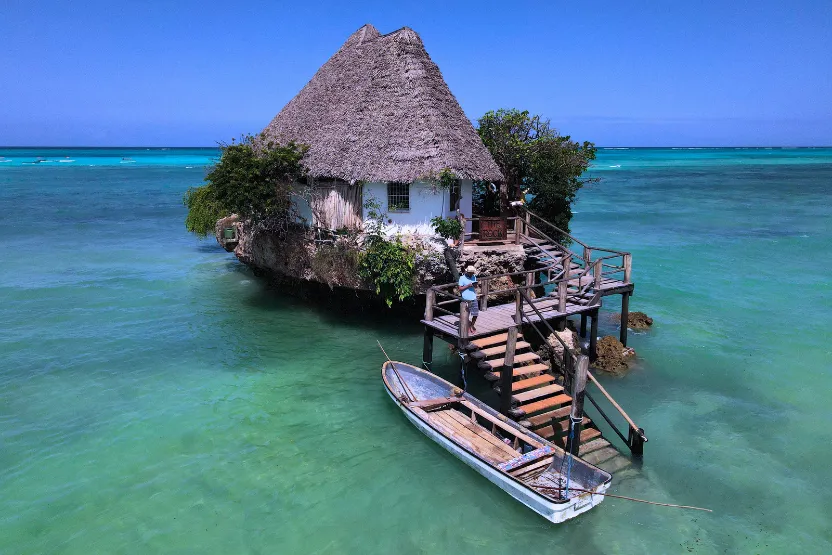
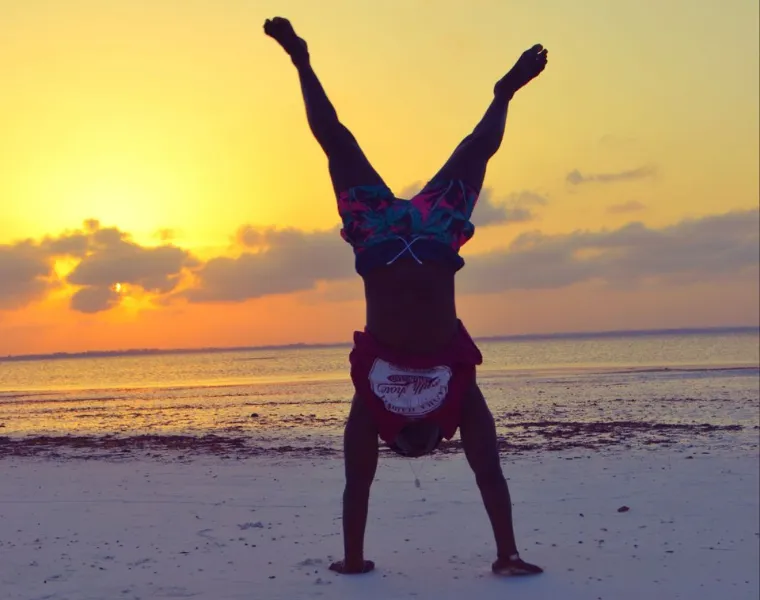
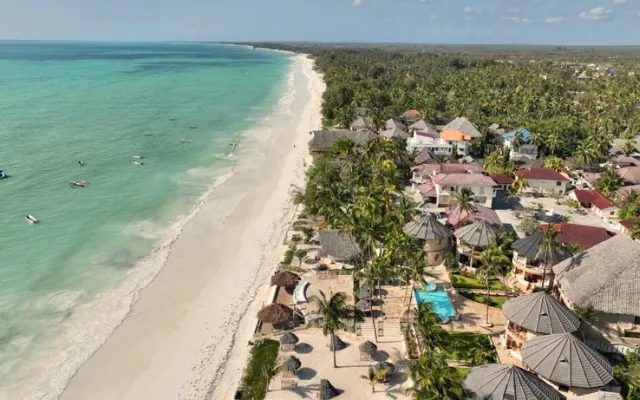
Zanzibar is a fabulous island in the Indian Ocean, known for its tropical greenery, turquoise blue warm sea, and long beaches lined with coconut palms. The pace is calm, the people are friendly, and it's easy to quickly feel at home.
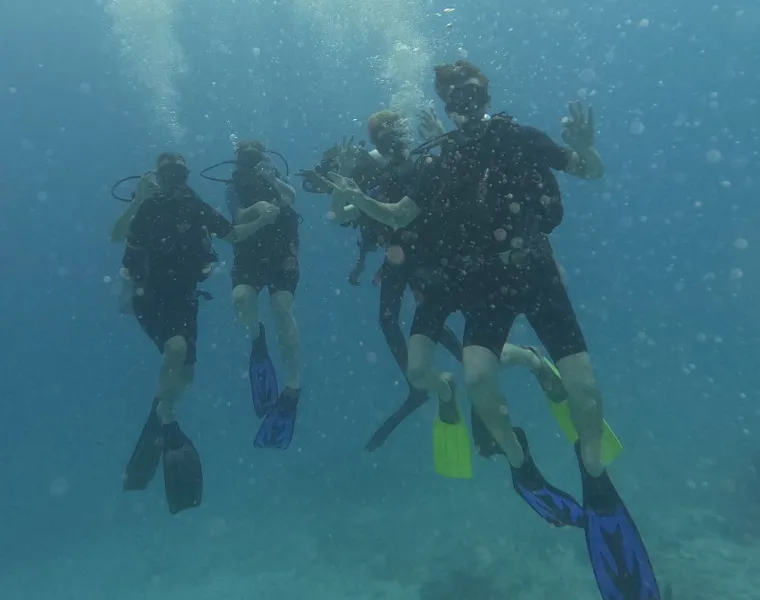
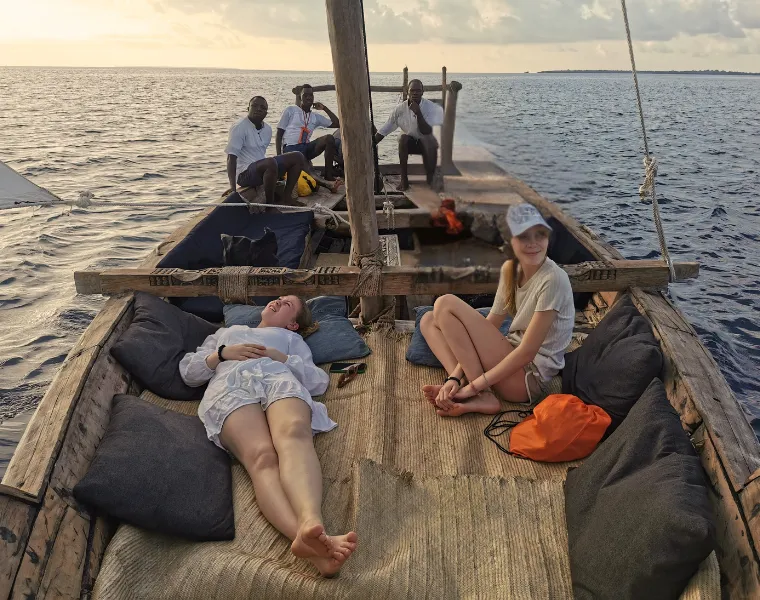
The island is just as suitable for those who want to relax completely as it is for those who want to fill their days with experiences. Here you will find everything from snorkeling among coral reefs and kite surfing to sunset boat trips and peaceful morning walks along the beach. Zanzibar also offers environments that make it easy to take fantastic travel photos.
Zanzibar is often called the “Spice Island” because it was once the center of the world’s spice trade. This is evident in its culinary culture, which features fresh fish, seafood, exotic fruits, and dishes often made with coconut milk.
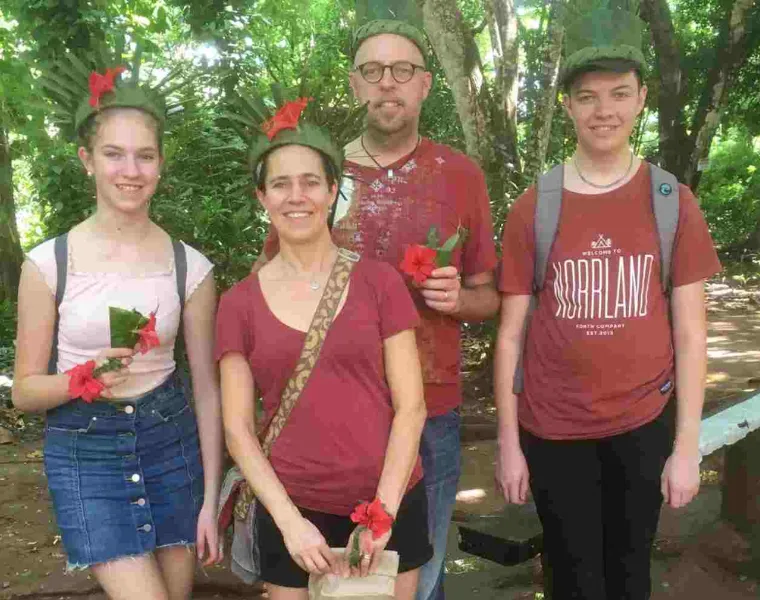
A spice tour is almost a must, and we offer a visit to one of the island’s oldest and most authentic spice plantations.
We also recommend spending a night in the legendary Stone Town, where narrow alleys, old stone houses, and exciting history create a feeling of stepping back in time a hundred years.
We have extensive knowledge of Zanzibar thanks to our Swedish colleague Helen, who has lived on the island for many years. Her close contact with the local population means she can offer personal tips and unique excursions that few others get to experience. We work with several selected accommodations and are happy to help you find the one that suits you best.
In short, Zanzibar is a place where it is easy to enjoy yourself, whether you are looking for adventure, relaxation, or a perfect blend of both.







.webp)















Zanzibar – summer all year round

January – March
This is one of the best times to visit Zanzibar. The weather is warm and sunny, the sea is calm, and snorkeling is often excellent thanks to good visibility. However, humidity is relatively high during these months. It is a popular time to travel, but still somewhat quieter than Christmas and New Year's. The long rainy season begins at the end of March, but early March is still a great time to go.

April – May
This is Zanzibar's long rainy season. The weather is unstable with heavy rain and high humidity. Many accommodations take the opportunity to renovate, and some hotels close completely. The beaches are still beautiful, but this period is not ideal for sunbathing and swimming. On the other hand, it is a quiet time with few tourists.

June – September
This is one of the most pleasant periods in Zanzibar. Temperatures are moderately warm, humidity is lower, and days are dry and sunny. These are ideal months for sunbathing, snorkeling, diving, and excursions. During this time, it can be quite windy. July and August are popular months, so if possible, June or September are preferable for those who want to avoid the largest tourist crowds.

October – December
Autumn offers warm weather and a sea that is often crystal clear. It is a relatively quiet period with fewer tourists. During November and early December, there may be short rain showers, but these are usually short-lived and rarely affect the day as a whole. Many people travel here over Christmas and New Year, so those who want to avoid the crowds should travel earlier in December or in early January.
Good to know
Clothing tips for your stay in Zanzibar
- Zanzibar is hot around the clock and humidity can be high. Choose light, airy, and loose-fitting clothing to keep you cool and comfortable.
- In the evenings, the temperature can drop slightly and the wind can pick up, so it's a good idea to bring a light sweater.
- Along the coast, you can dress as you like, but when visiting villages or Stone Town, respectful clothing is recommended, which means covering your shoulders and knees.
- For the best swimming experience, especially at low tide, water shoes are a smart choice. They make it easier to walk in the water where coral may be present.
Currency & payment in Tanzania
Tanzania primarily uses the Tanzanian shilling (TZS), but USD is also accepted.
- Withdrawing money
Tanzanian shillings cannot be exchanged in Sweden, so you will need to withdraw them locally. There are ATMs at the airport in Zanzibar and in certain parts of the island. - Card payments
Most hotels and many restaurants accept cards. However, there are places where only cash is accepted or where card machines do not work. Therefore, always carry cash as a backup. - Small bills
It is a good idea to have small bills to buy fruit, water, snacks, or souvenirs along the way. Ask for small bills when shopping at the beginning of your trip. - Haggle with consideration
Prices are often negotiable, but do so with respect. Avoid haggling just for the sake of it – many sellers operate on very small margins.
We are happy to help you book your airline tickets.
We have access to a system where we can compare a large number of flights and come up with several options based on your preferences, such as departure date, airline, number of stopovers, or departure city. We can book flights from most countries, not just Sweden.
The journey from Sweden usually takes around 14 hours, depending on the route.
If we find an option that suits you, we can also reserve the tickets, which means that the price is locked in for a short period while you consider your options. A reservation is not binding and can be canceled at any time if you decide not to proceed.
You are also welcome to book your own flight if you prefer.
- For a pure safari trip in Tanzania, it is easiest to fly to and from Kilimanjaro (JRO).
- If you combine a safari with Zanzibar, we recommend a multi-city ticket: fly to Kilimanjaro and home from Zanzibar (or vice versa if you want to end with the safari).
During certain periods in high season, we also have pre-booked airports on selected dates, which usually makes the price a little cheaper.
We usually book domestic flights between the mainland and Zanzibar, but you can also choose to do this yourself.
Tides – a fascinating phenomenon
In Zanzibar, the tides vary greatly, and the difference between high and low tide is significant. Approximately every six hours, it is low tide, and every six hours, it is high tide. At low tide, the sea recedes far out, exposing the beach and revealing coral reefs and sandbanks. It is then often possible to walk far out into the shallow water.
This is a unique experience, and many people find it exciting to see the landscape change. However, it is not possible to swim when the water is at its lowest.
At high tide, the water reaches almost all the way up to the beach, making it perfect for swimming.
Tide levels are affected by both where you live on the island and the date, as they are controlled by the position of the moon. The tides are a natural part of Zanzibar and contribute to the island's charm.

Visit some of Africa's most iconic areas
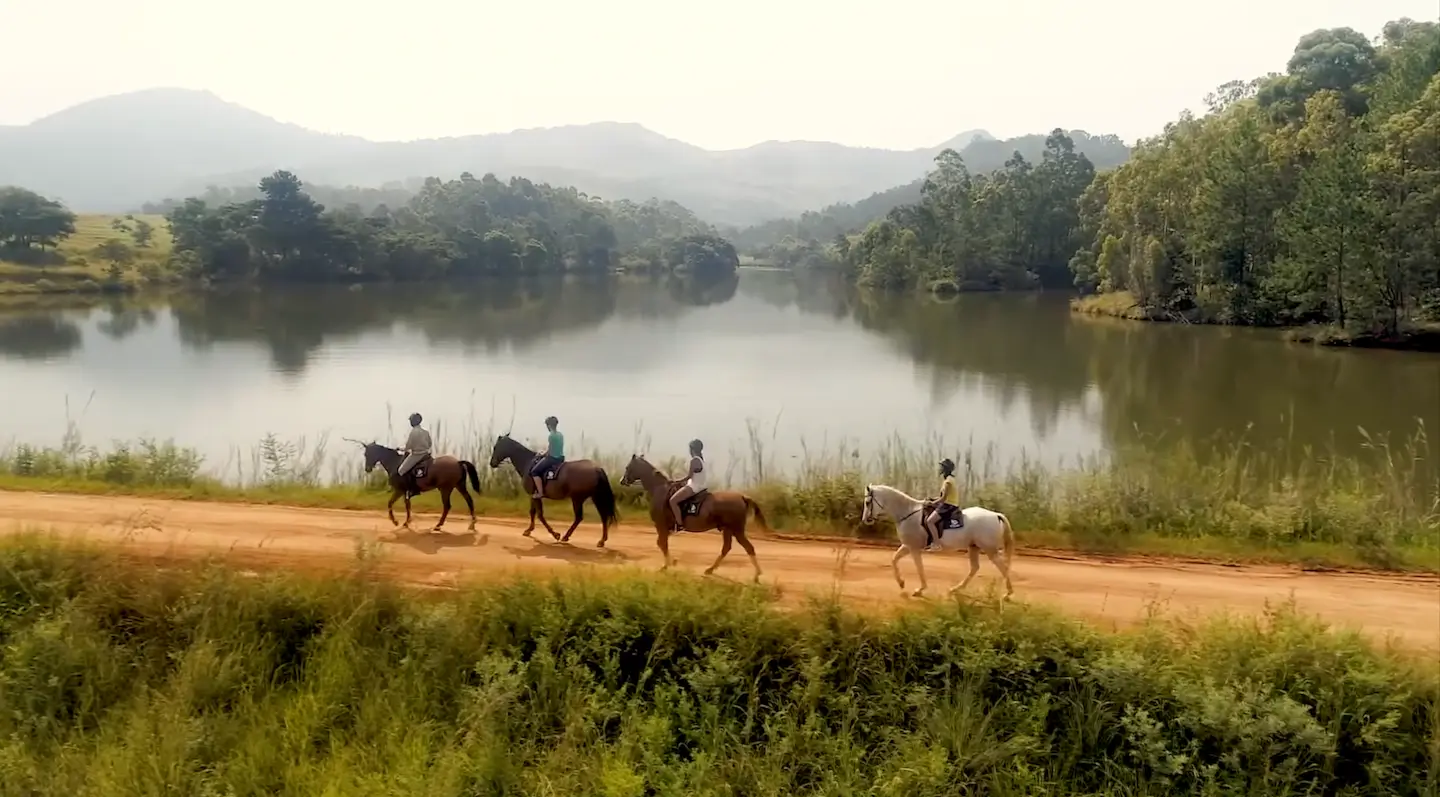
Fill your trip with unique and memorable adventures
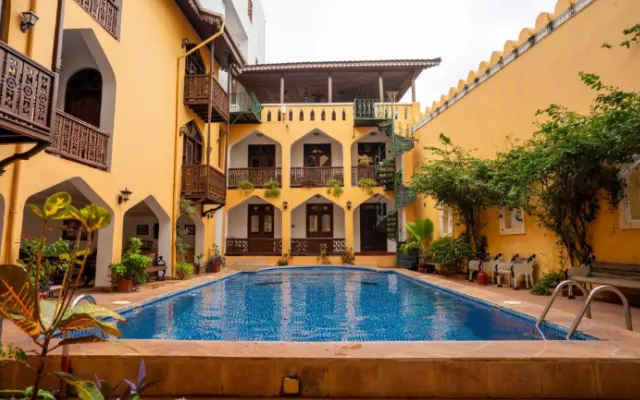
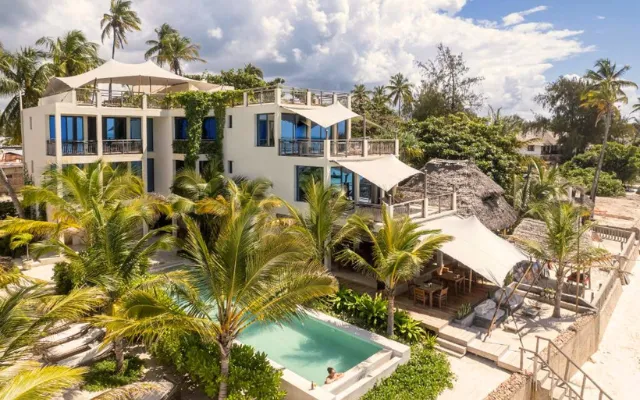
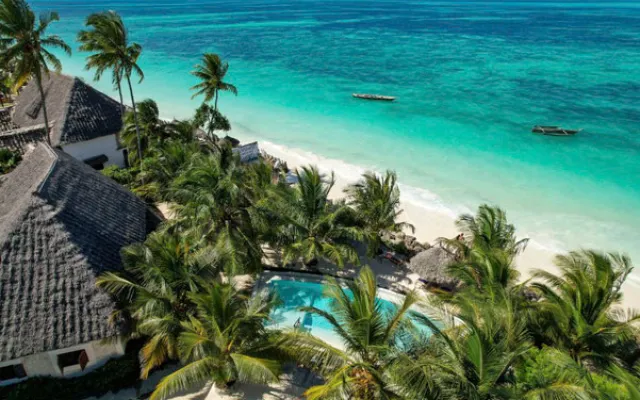
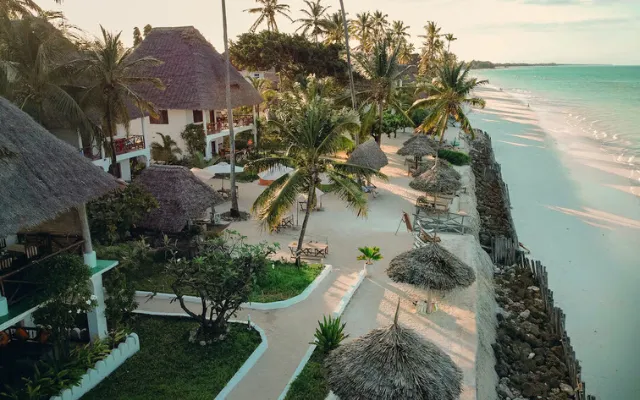
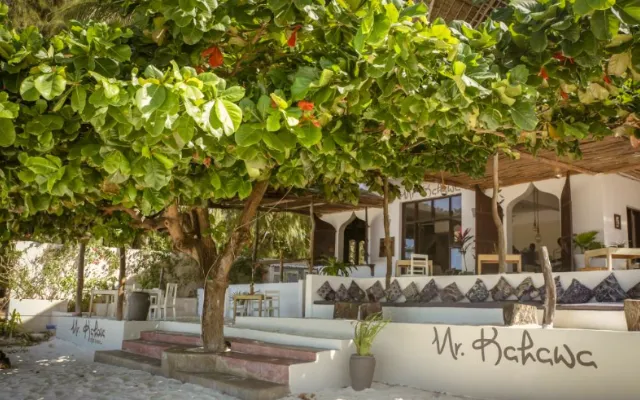
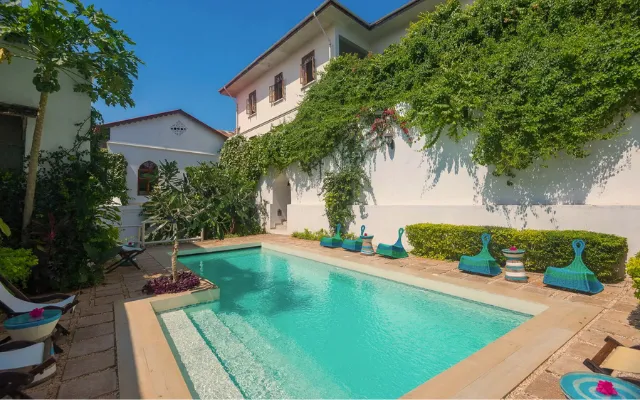
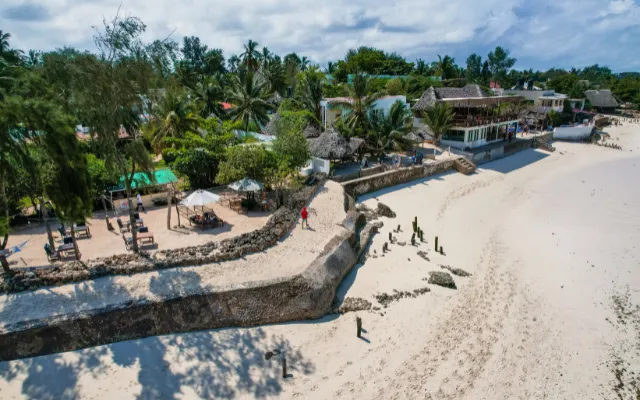
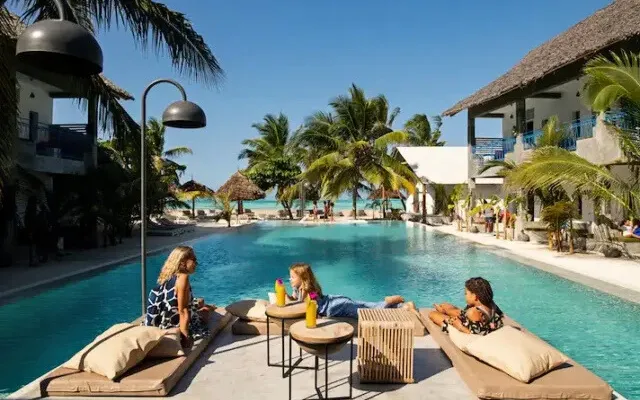
Recommended accommodation
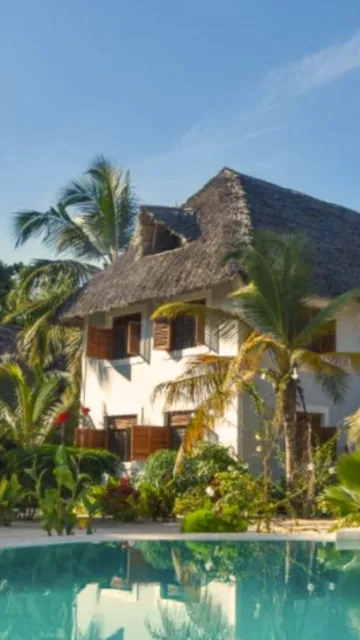
Here are some recommended accommodations for this destination
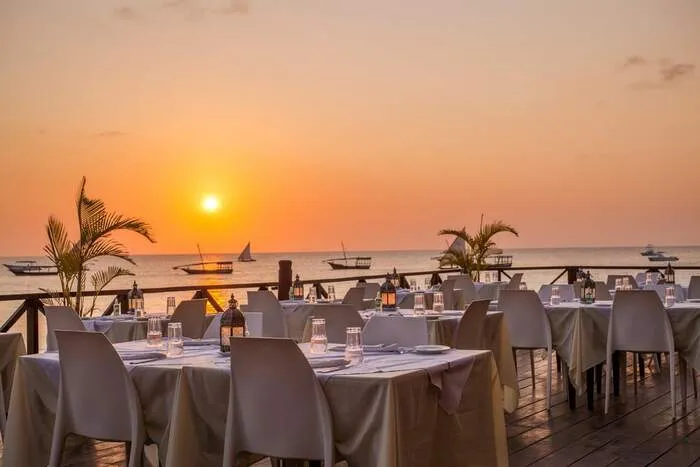
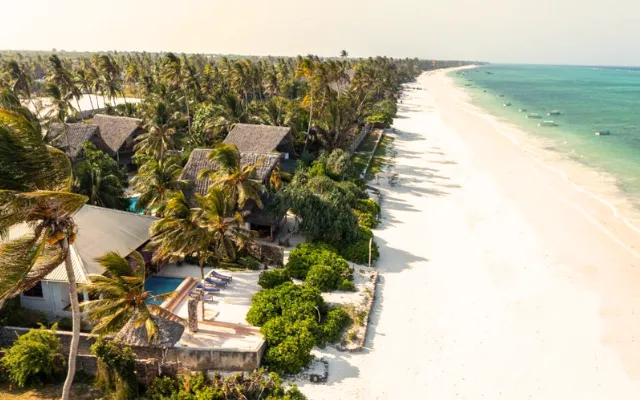
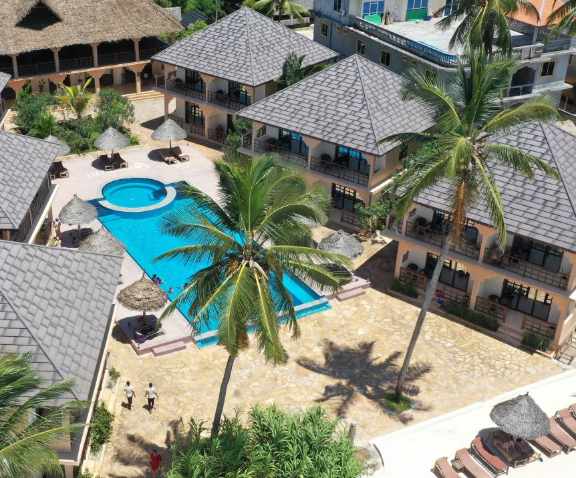
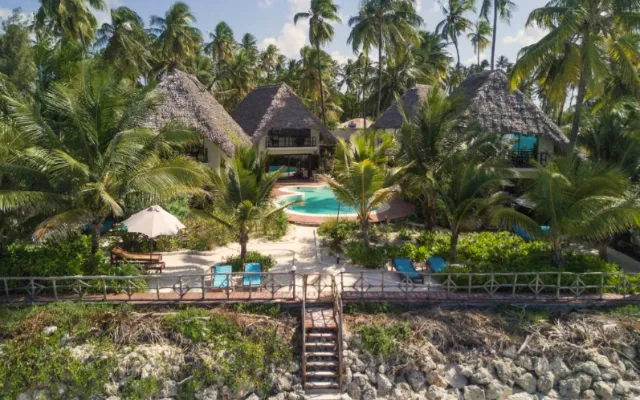
.webp)
Meet 'The Big Five'
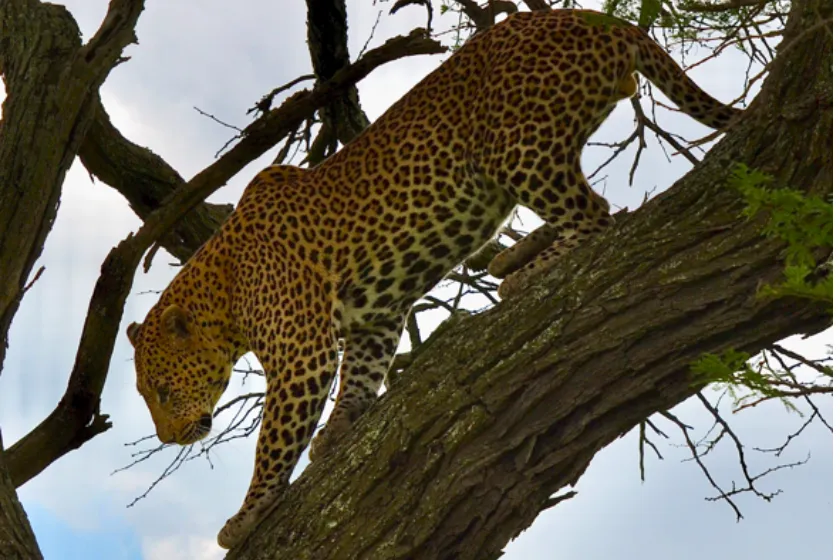
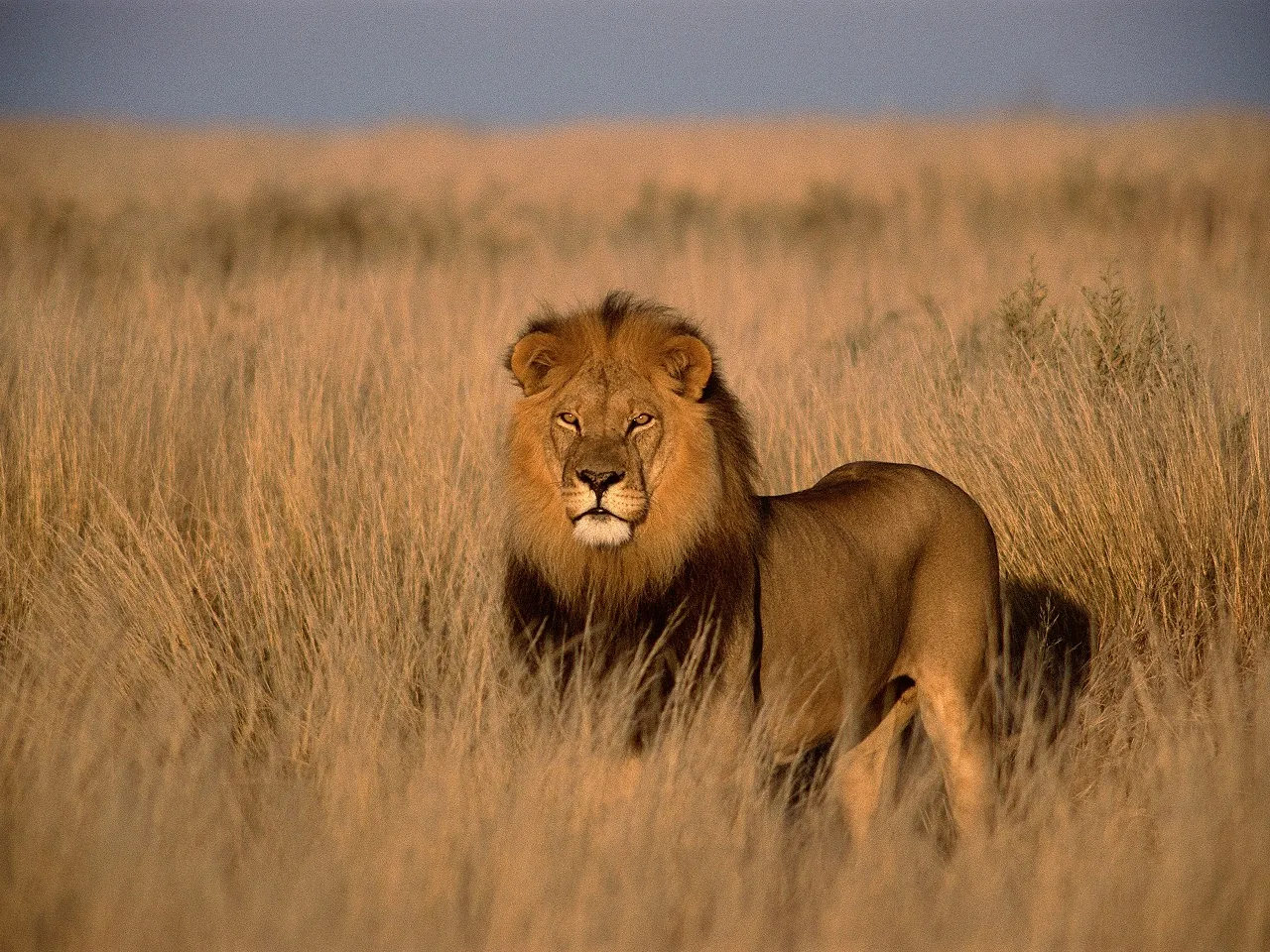
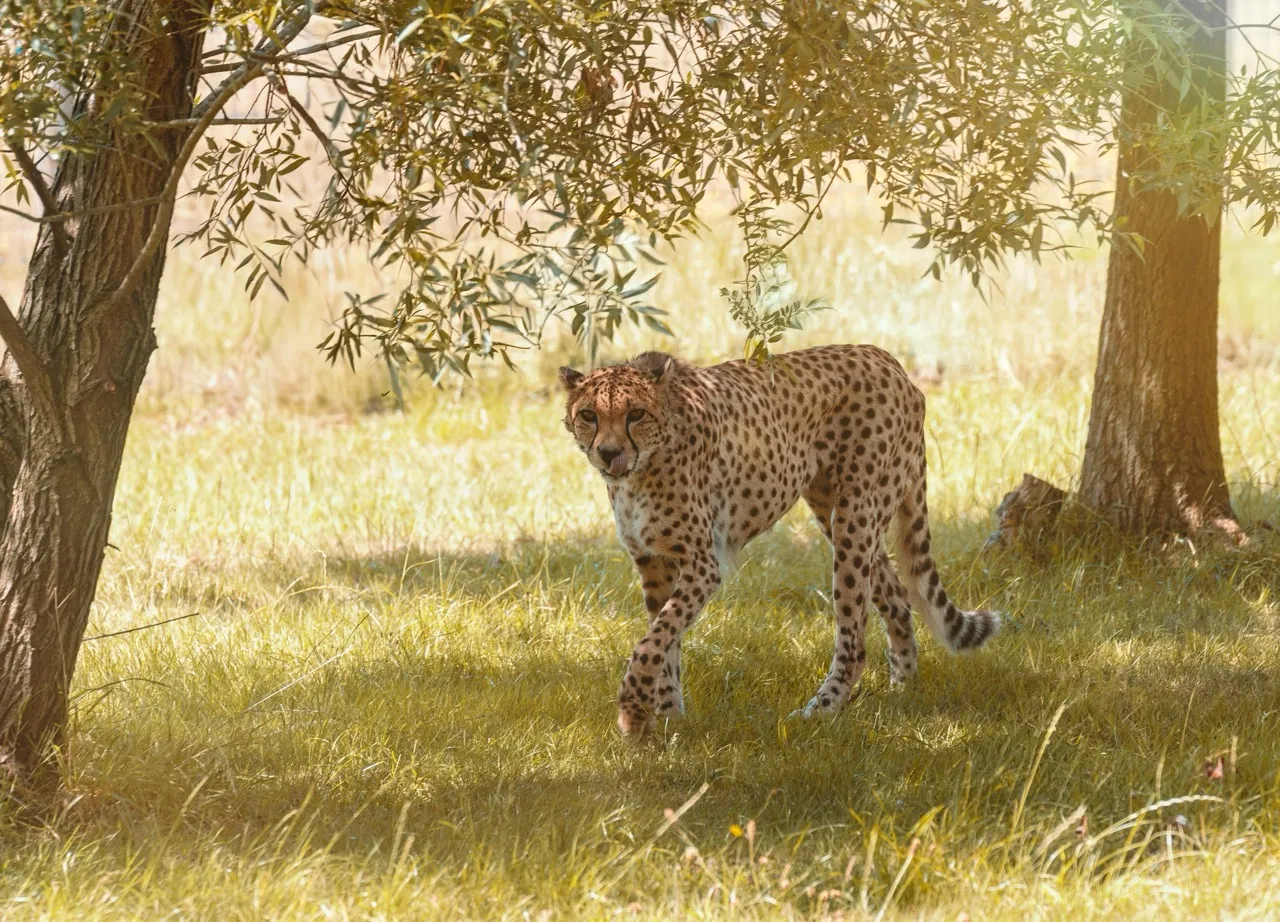
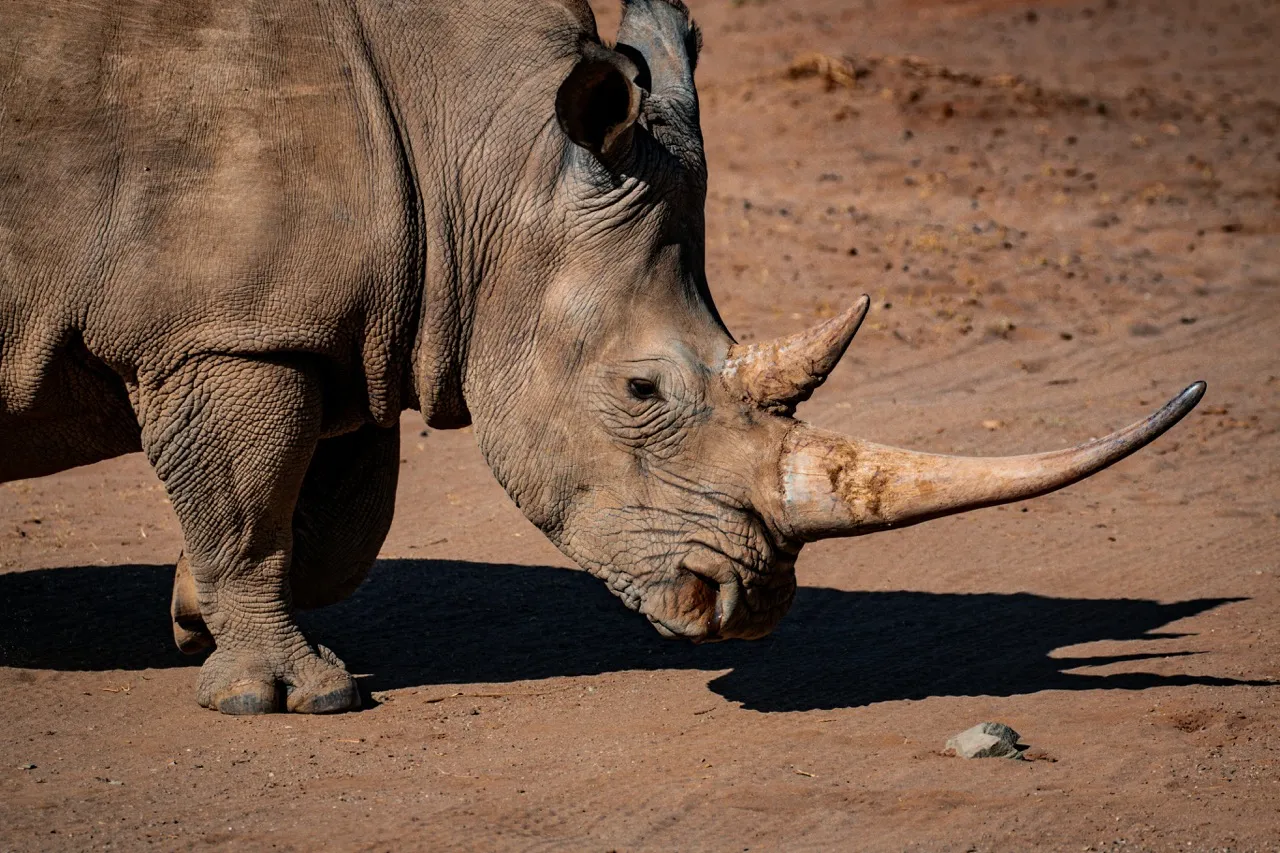
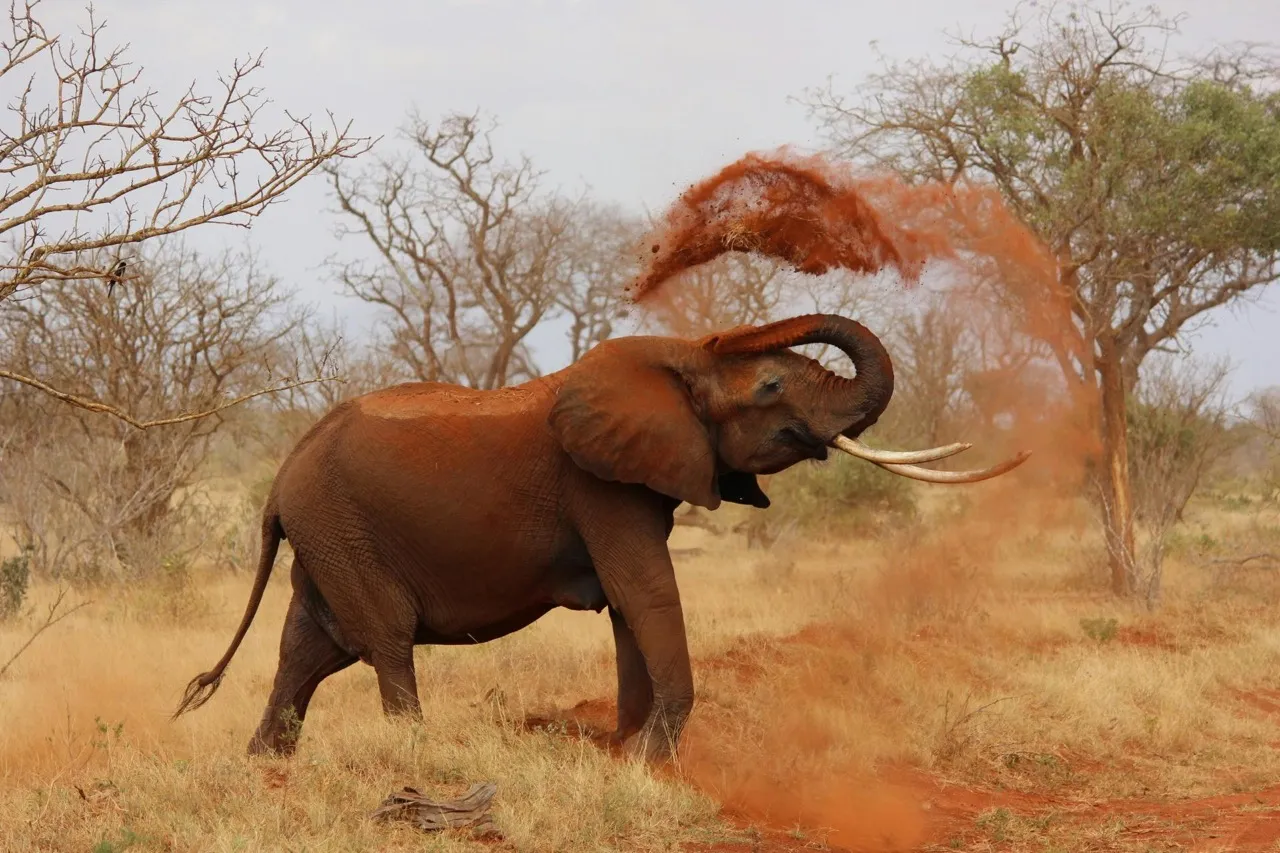
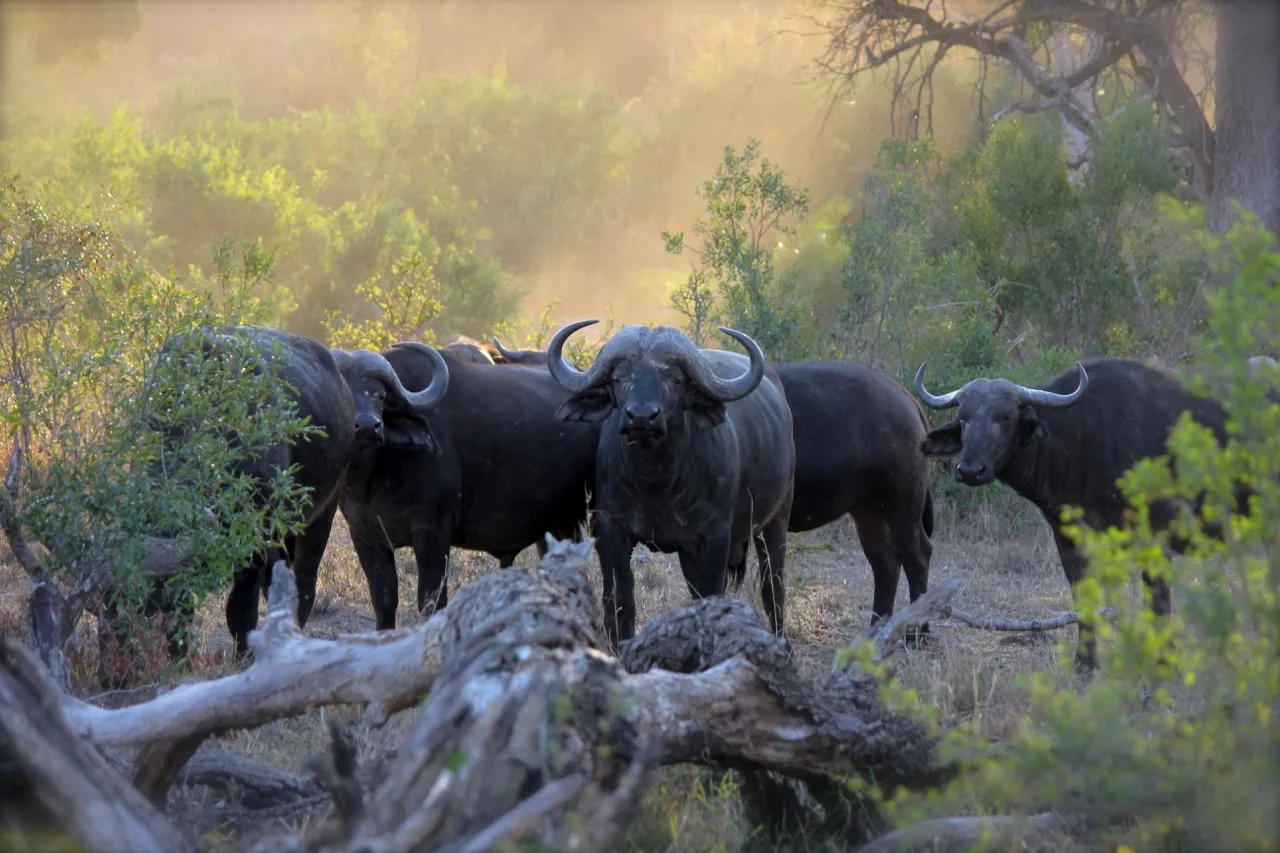
On a safari in South Africa and Tanzania, you’ll have the chance to see lions, leopards, rhinos, elephants, and buffalo.

Frequently asked questions & answers
Make a booking request
Your request is not binding and you can of course change the number of days or make other requests. We will get back to you as soon as possible!