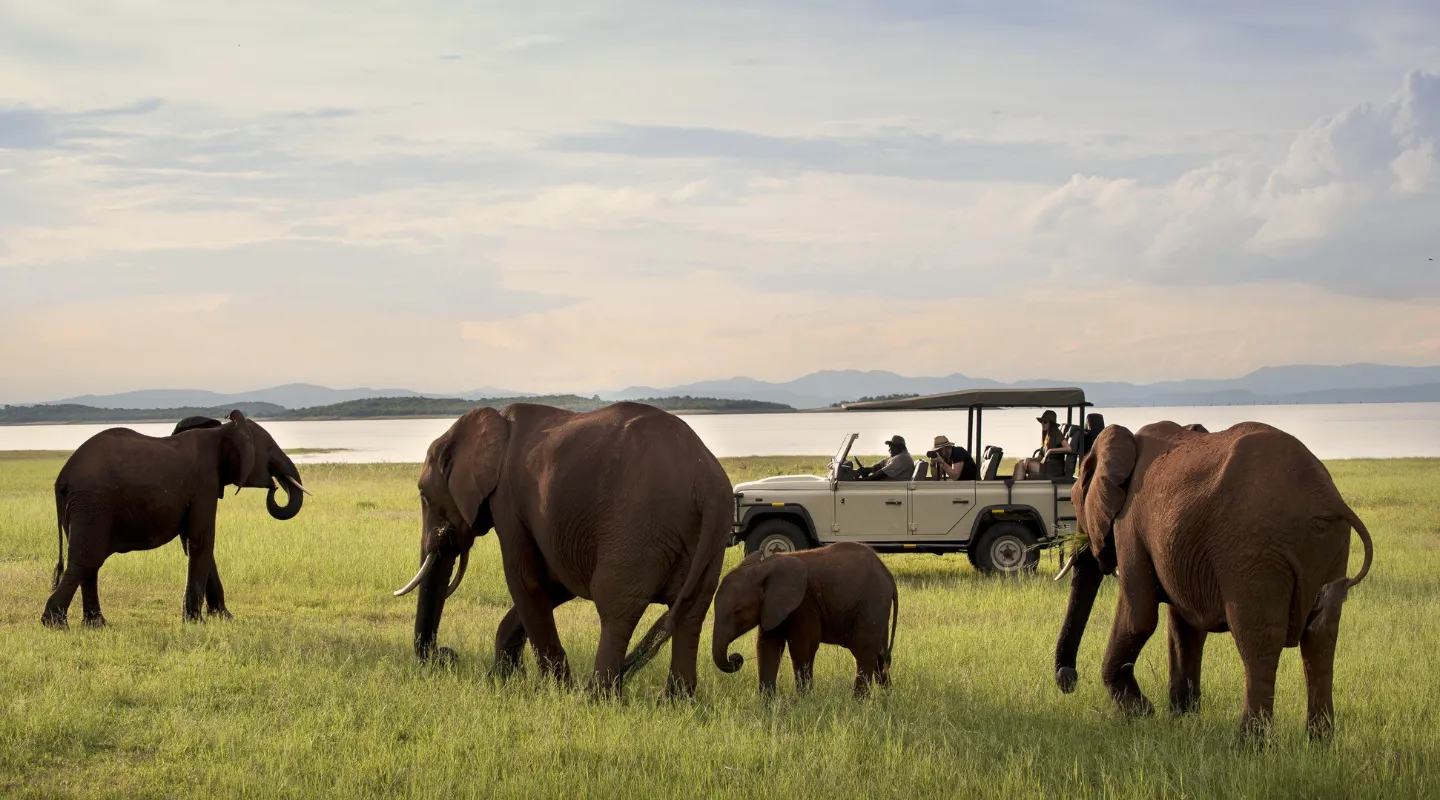
Safari in Kruger National Park
Kruger National Park – South Africa’s most legendary wilderness area
Facts
Kruger National Park is South Africa’s largest and most famous safari park, and one of the premier wildlife areas on the entire African continent. The park covers nearly 36,000 square kilometers—larger than the entire country of Belgium—making it one of the world’s most extensive protected natural areas.
The park is located in northeastern South Africa, near the borders with Mozambique and Zimbabwe, and offers an impressive network of roads, ecosystems, and viewing areas.
Thanks to its size, diversity, and well-developed infrastructure, Kruger is a perfect choice for both first-time travelers and experienced safari enthusiasts.
The history and preservation of the park
Kruger has one of the longest traditions of conservation in Africa. The area was first protected in 1898 by President Paul Kruger, who saw how wildlife populations were declining due to hunting and exploitation. In 1926, the area officially became Kruger National Park, and since then, the park has been one of the world’s leading conservation projects.
Today, Kruger is a central part of the Great Limpopo Transfrontier Park, a vast protected area linking South Africa, Mozambique, and Zimbabwe to restore ancient migration routes and strengthen the conservation of endangered species. The park actively works to combat poaching, particularly of rhinos, and uses everything from drones to advanced research to protect its animals.
Wildlife
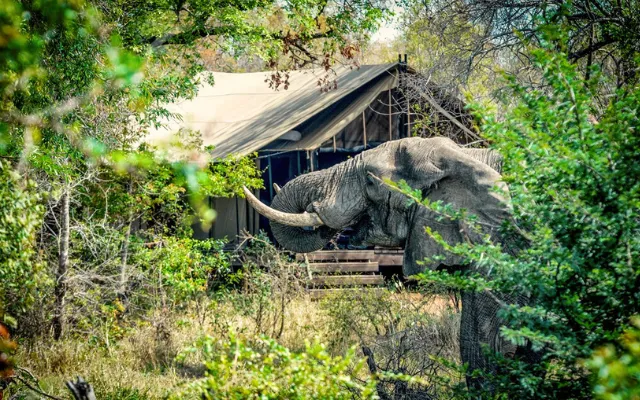
Kruger is one of the world’s most biodiverse parks and home to all of Africa’s iconic Big Five: lion, leopard, elephant, buffalo, and rhino. The park also has one of the world’s largest elephant populations and is one of the best places in Africa to spot leopards.
In total, there are over 300 mammal species, including cheetahs, hyenas, wild dogs, hippos, giraffes, zebras, and a large number of antelopes. For birdwatchers, the park is a true paradise with over 500 bird species, including birds of prey, colorful small birds, and impressive waterfowl.
Nature and climate
Kruger offers a wide variety of landscapes: open grasslands, savanna forest, river systems, mountain formations, and dry scrublands. The northern and southern parts differ; the southern part is greener, while the northern part is drier and more open, featuring unique plants and rare species.
The climate is warm year-round, with hot days and mild nights. From November through March, there can be some showers, which result in lush landscapes, while from June through September it is a bit drier and many animals gather around the waterholes.
What makes Kruger National Park unique?
What truly makes Kruger unique is the combination of immense biodiversity, well-developed infrastructure, and a wide variety of accommodation options. In addition, you can go on a self-drive safari here. The park is also located in an area with a good balance of predators, prey, and birdlife, making Kruger one of the world’s best destinations for year-round safaris.
Recommended accommodation
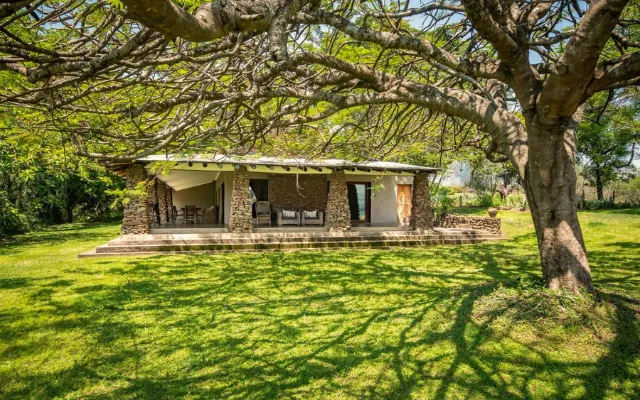
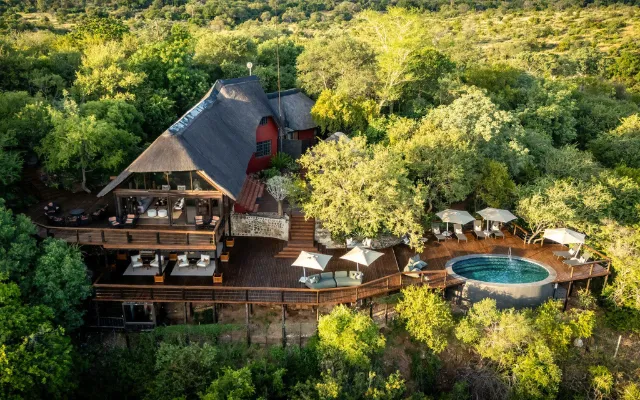
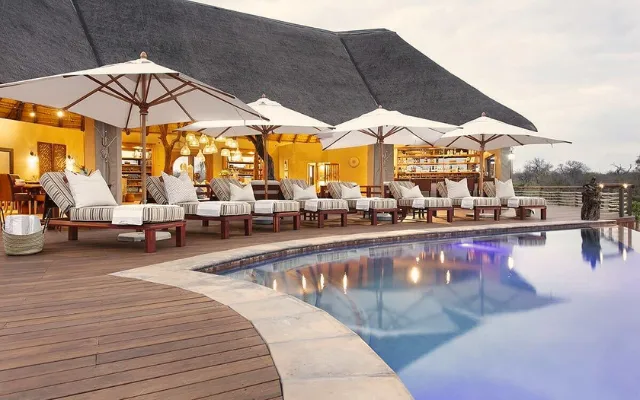
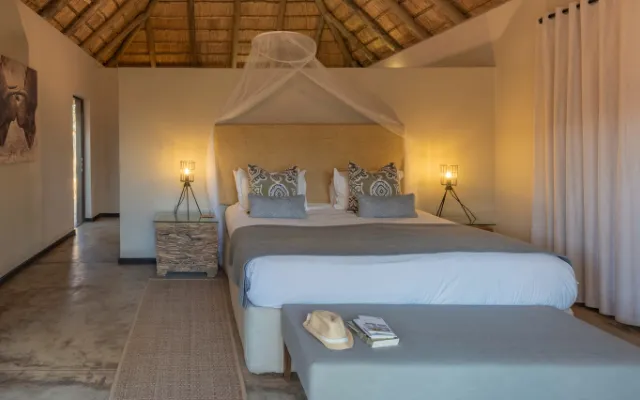
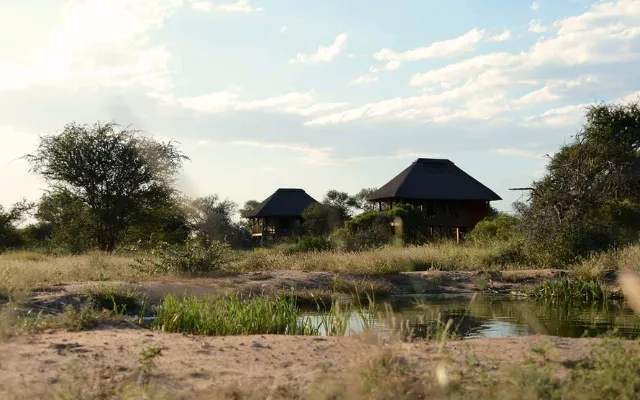
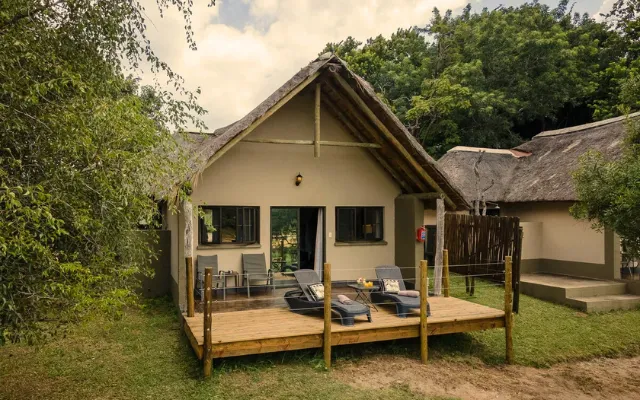
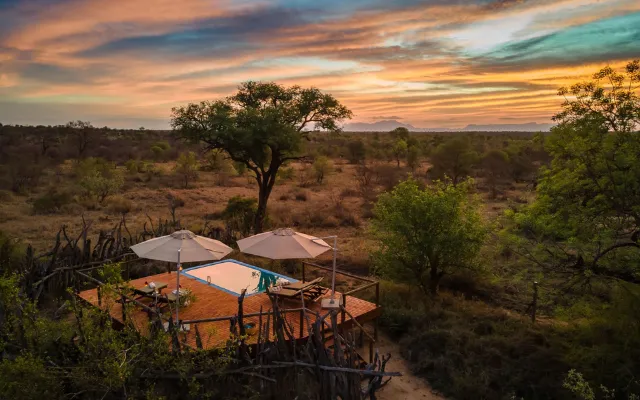
Here are some recommended accommodations for this location



%20(kopia).webp)