.webp)
Safari in the Ngorongoro Crater
One of Africa's most legendary safari destinations
Facts
The Ngorongoro Crater is often described as the eighth wonder of the world. This unique formation has been listed as a UNESCO World Heritage Site since 1979 and is one of Tanzania's most iconic natural areas. Three million years ago, Ngorongoro was a volcanic mountain as high as Kilimanjaro, but after a violent volcanic collapse, the mountain peak sank, creating the world's largest intact volcanic crater.
Today, the crater is approximately 20 kilometers in diameter, and the difference in height from the crater rim to the bottom is about 600 meters. The safari trip down the steep, green slopes offers a view that many describe as magical—a feeling of gliding into another world.
The Ngorongoro Conservation Area is also an area with a deep human history. Some of the oldest traces of human ancestors, over three million years old, have been found here. Despite its importance for both animals and humans, the crater area itself is now completely protected from permanent settlement. However, in the surrounding natural area, over 40,000 Maasai live in harmony with the landscape and its wildlife, according to traditional ways of life.
Because Ngorongoro is located at high altitude, the climate is cooler than in many other parks, and evenings and nights can be surprisingly cold, creating a completely different atmosphere than on the savannahs below.
History & preservation of the park
The Ngorongoro Conservation Area was established in 1959 as a protected area where both humans and animals can live in harmony. The Maasai, who have inhabited the area for hundreds of years, continue their traditional way of life with livestock farming and nomadic migrations, while respecting the wild animals that roam the landscape.
The area is of great archaeological importance — especially Olduvai Gorge, known as the "Cradle of Humankind," where some of our earliest ancestors have been found. This makes Ngorongoro unique for both nature lovers and history buffs.
The preservation of the crater and its animals is a high priority. Poaching, increasing pressure on natural resources, and climate change are challenges facing Ngorongoro, but through rangers, local partnerships, and international support, the area continues to be a model for sustainable conservation work in East Africa.
The Big Five
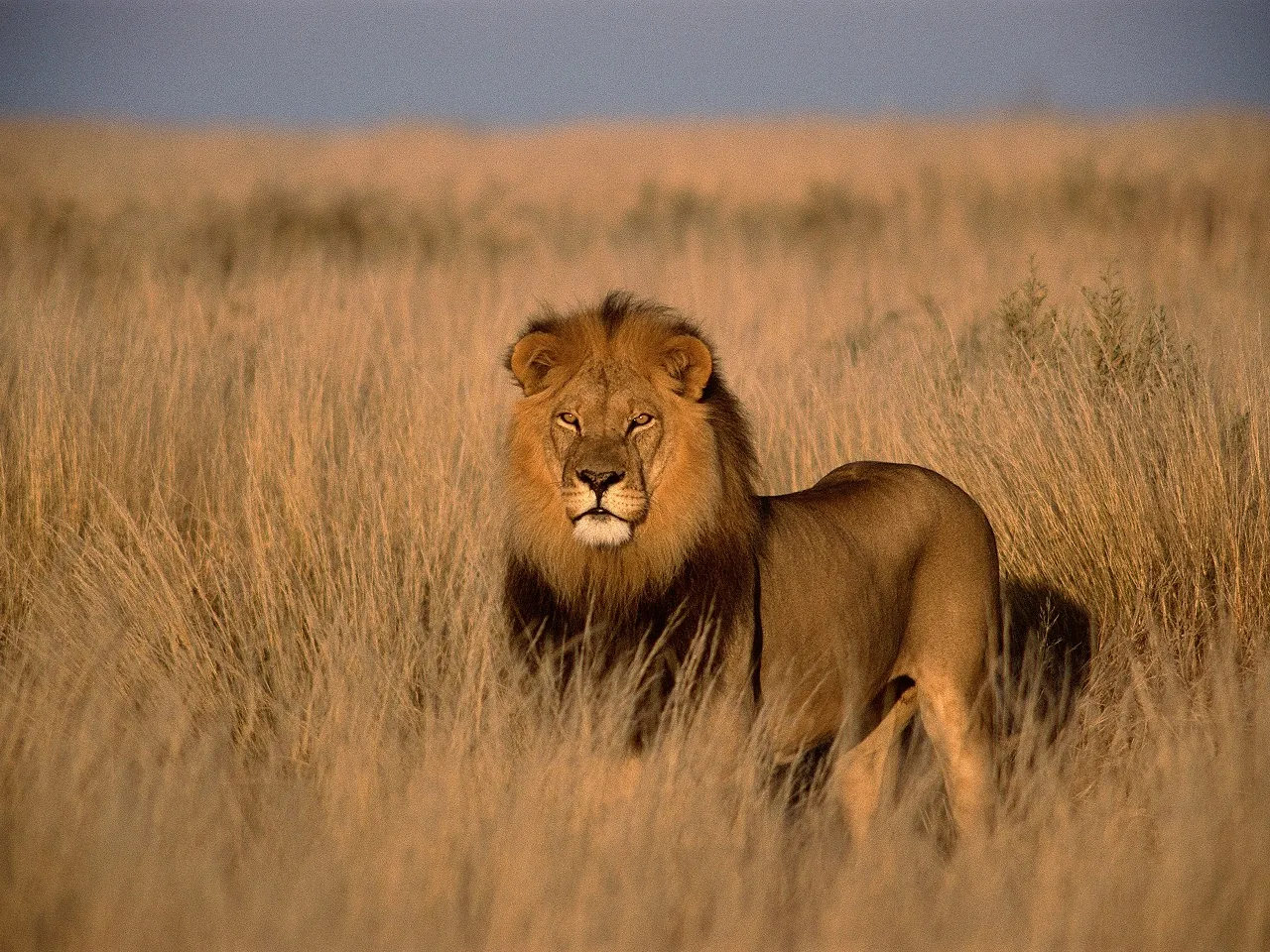
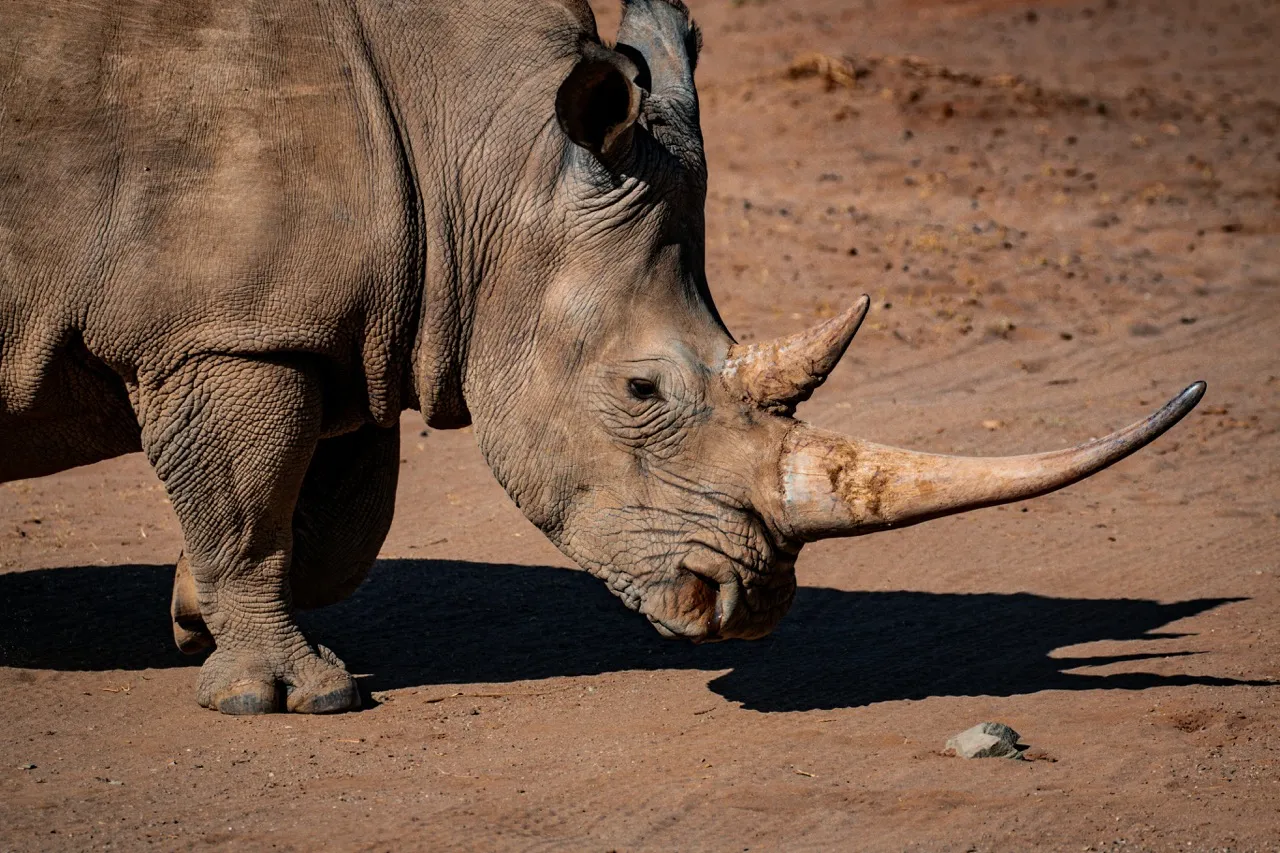
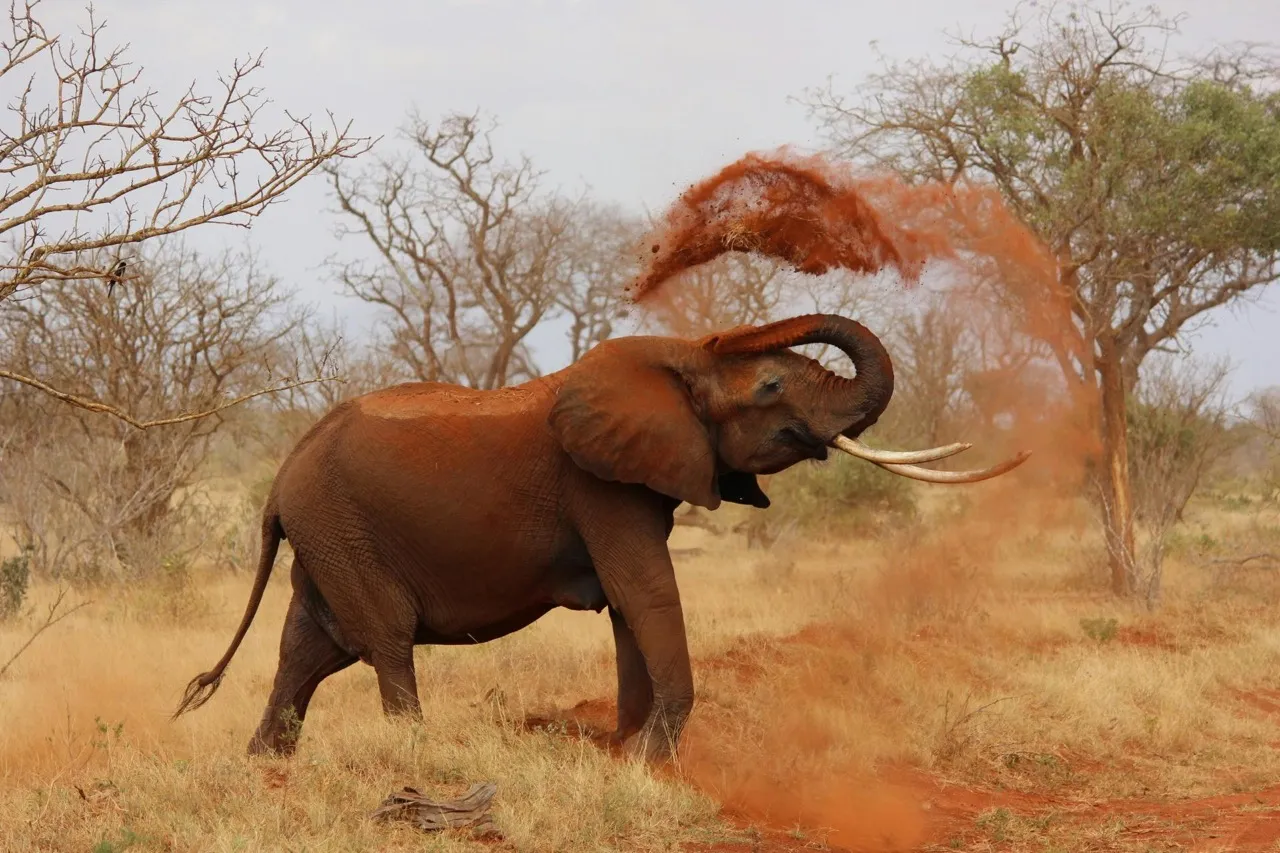
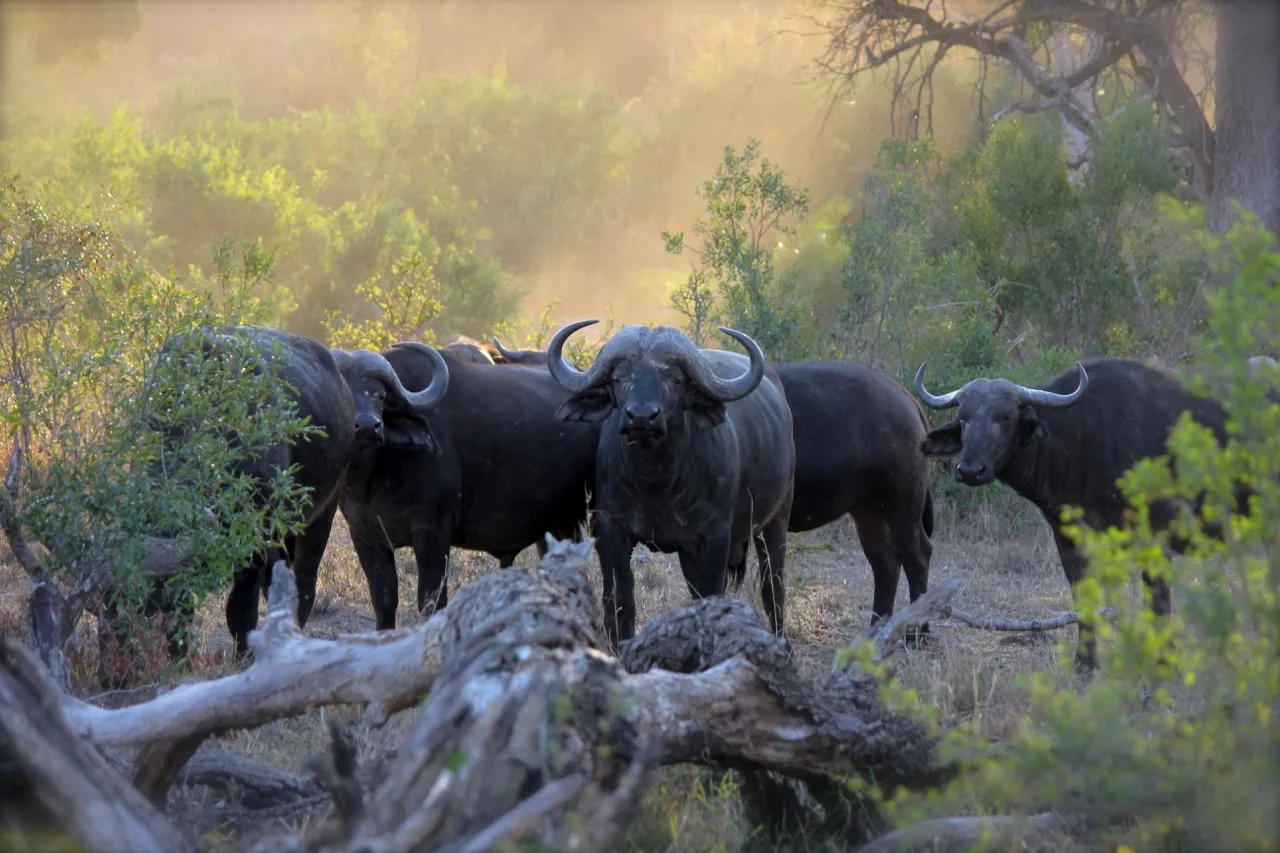
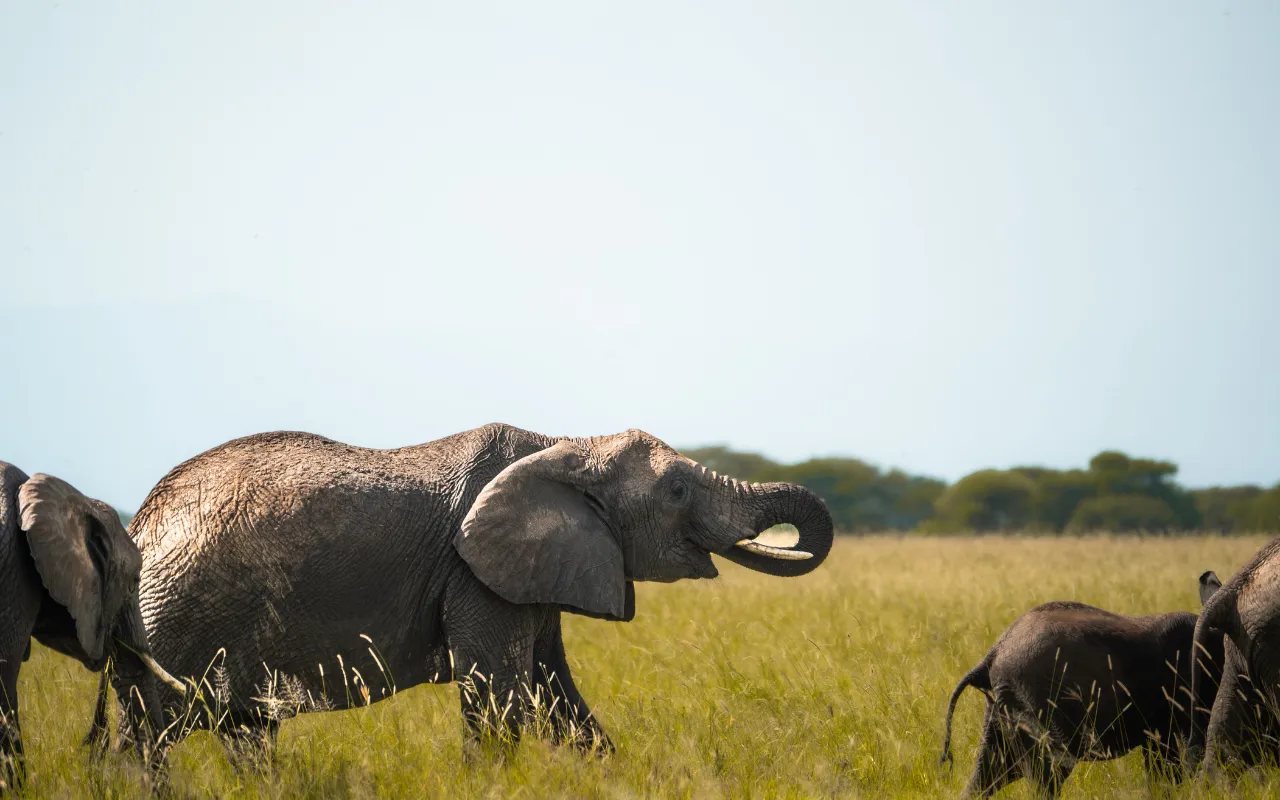
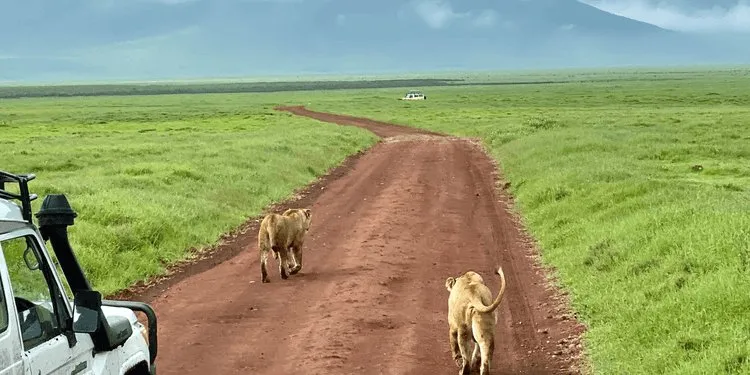
Ngorongoro is one of the few places in Africa where you have a realistic chance of seeing all of the Big Five—lion, elephant, buffalo, leopard, and rhino—in a single day. The crater is particularly famous for its black rhinos, one of the world's most endangered mammal species. Around 30 individuals live here, carefully protected by armed rangers. The chances of seeing them are better here than almost anywhere else in East Africa, although they can be difficult to spot depending on the season and vegetation.
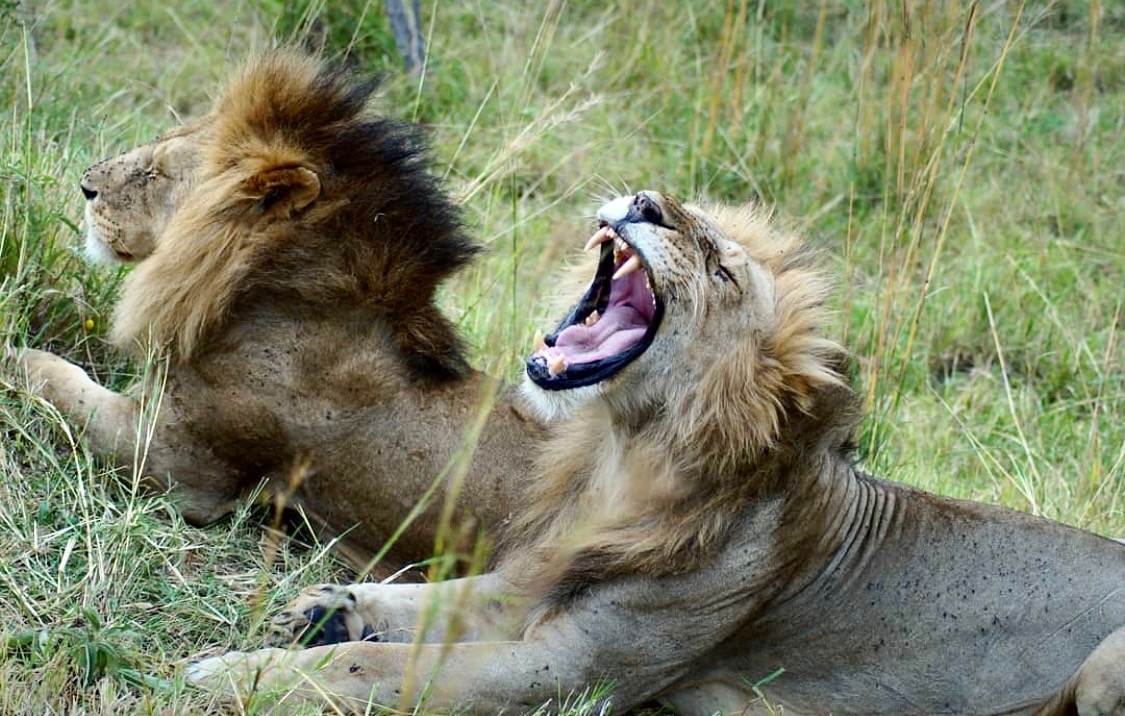
The lion prides in the crater are well known and relatively stationary, which means they are often seen during safari tours. The leopard is more secretive and thrives best in the forest-covered slopes on the crater rim, but with a little luck you can catch a glimpse of it resting in a tree during the day.
Animals and nature
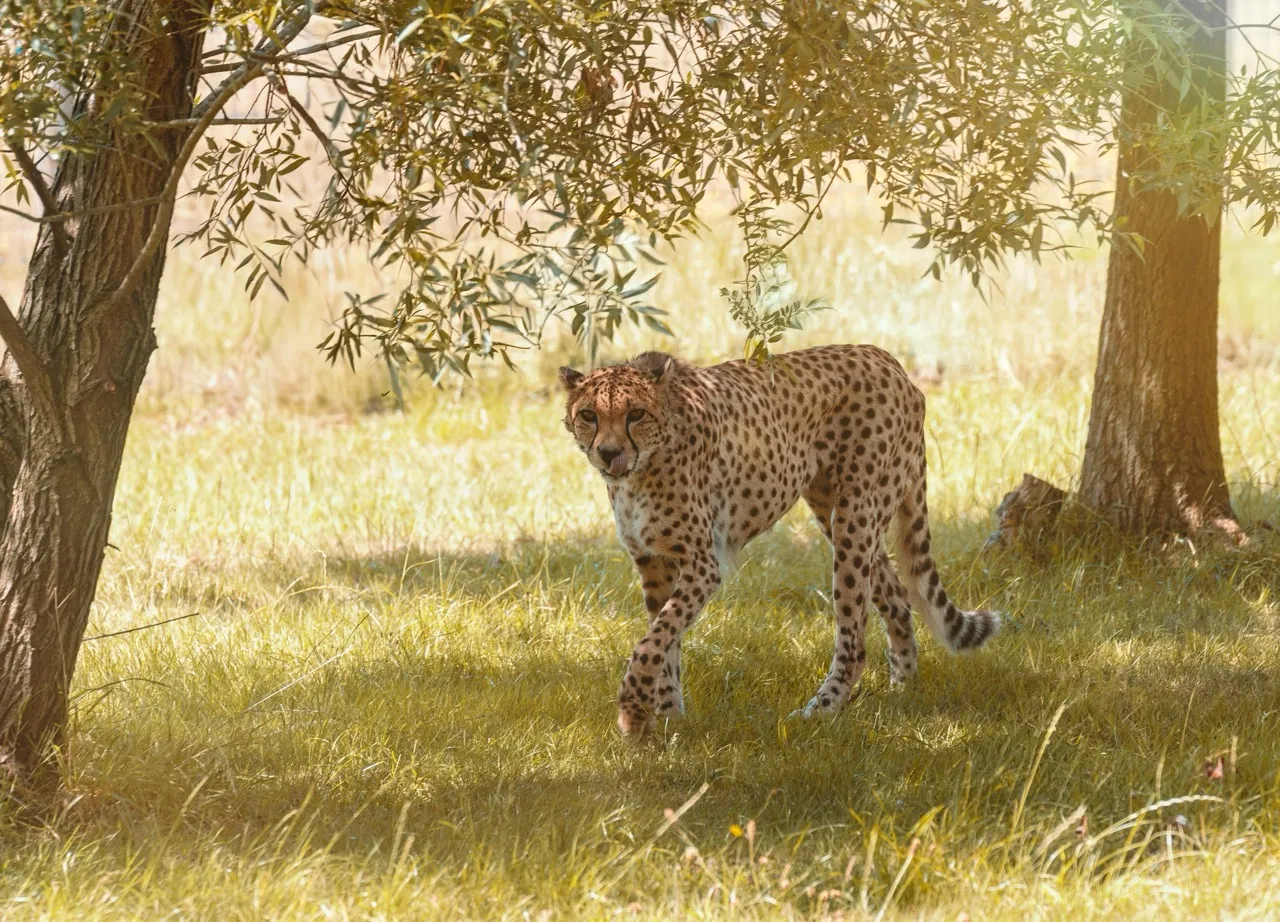
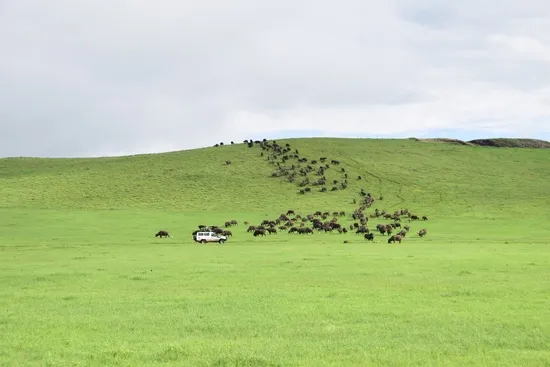
The Ngorongoro Crater is home to around 25,000 large mammals and is a self-sustaining ecosystem thanks to its constant supply of water and nutrient-rich grasslands. Huge numbers of wildebeest and zebras live here, together accounting for more than half of the crater's animal population. You may also encounter buffalo, gazelles, hippos, hyenas, jackals, and cheetahs.
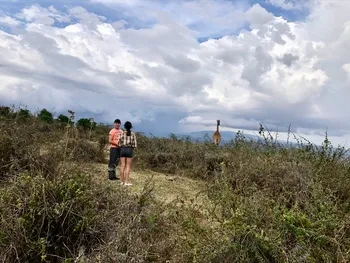
Since the area is separated by the crater's natural "walls," it is common to see large numbers of animals in a short period of time. Giraffes do not occur in the crater, as the dense and short vegetation is not suitable for their diet. Many predators and prey animals remain year-round thanks to the abundant supply of food and water.
The crater is unique in its design: a dramatic green kettle with open plains, forests, wetlands, lakes, and a permanent river. These variations make it one of the most biologically rich places in all of East Africa and crucial for the preservation of the region's species and ecosystems.
What makes Ngorongoro unique?
Ngorongoro differs from other parks in its incredible concentration of animals in a relatively small area, while the environment is completely unique. Standing on the crater rim and looking down over the vast green landscape is like seeing nature's amphitheater.
The crater functions as its own microcosm, where the animal world lives almost completely isolated from the outside world. Thanks to the dramatic difference in altitude and the evergreen fields, animals can be found here year-round, unlike many parks that are more seasonal.
The exceptional opportunity to see black rhinos makes the area even more special. The fact that Ngorongoro also combines outstanding nature, ancient geology, and thousands of years of human history makes it one of the world's most fascinating safari experiences.
Recommended accommodation
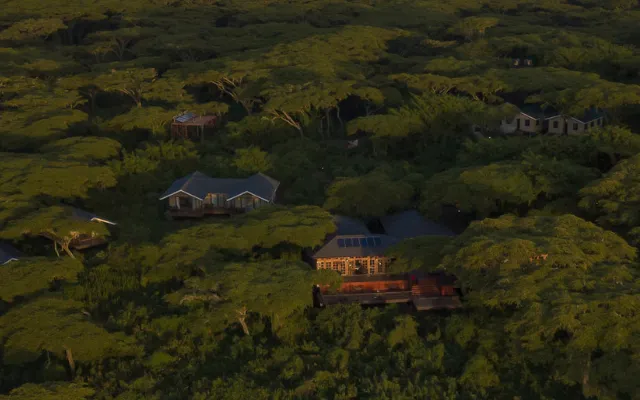
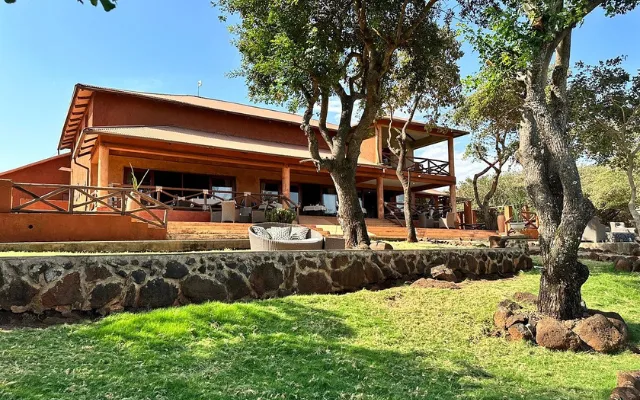
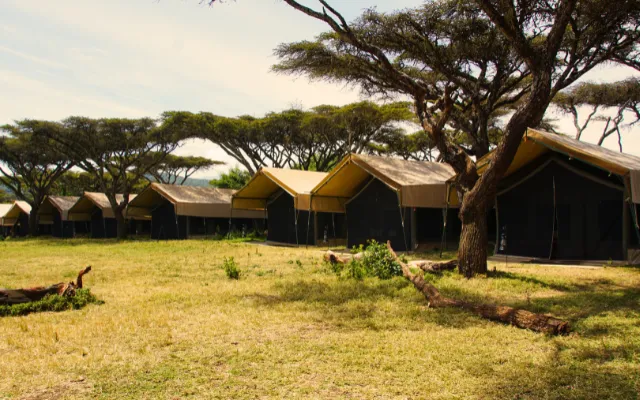
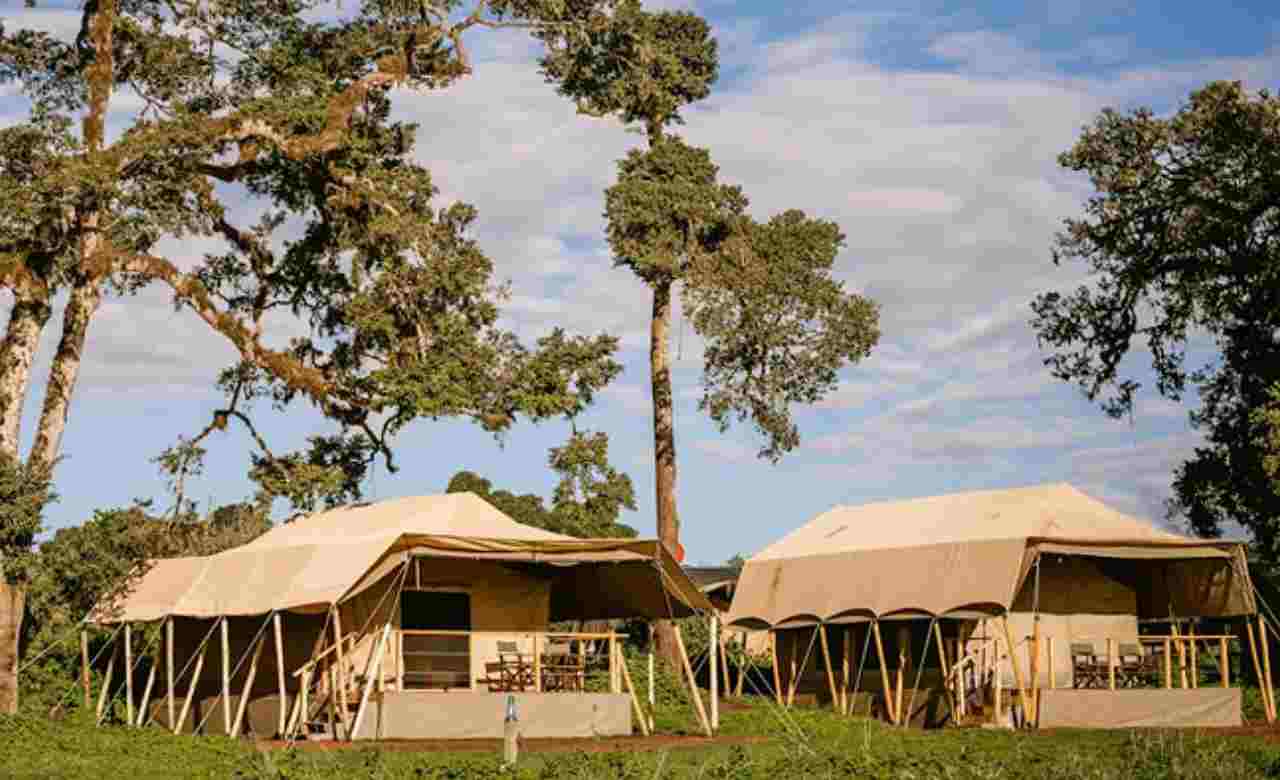
Here are some recommended accommodations for this location
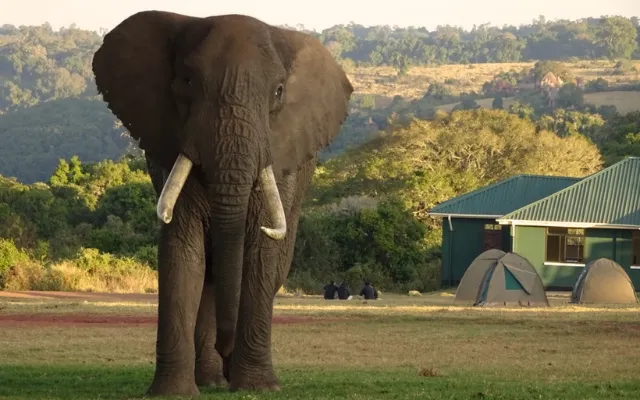

Experience the 'Big Five' animals in Tanzania
On safari with us in northern Tanzania you have the chance to see lion, leopard, rhino, elephant and buffalo.