How difficult is it to climb Kilimanjaro?
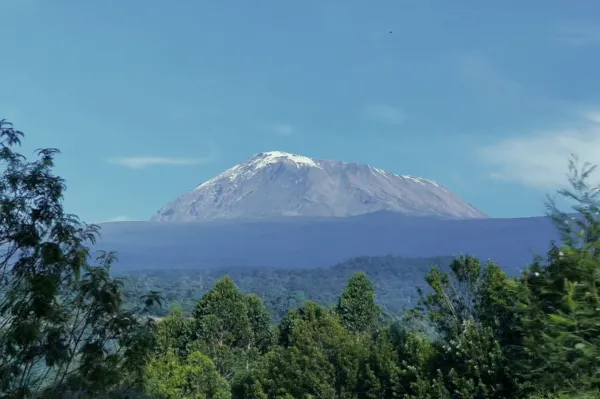
Standing on top of Africa's highest mountain – Mount Kilimanjaro (5,895 m) – is a dream for many adventurers. But how difficult is it really to reach Uhuru Peak? The answer is: it's not about strength or technique – it's about preparation, endurance, and the right attitude.
Altitude – the biggest challenge
Unlike many other high mountains, Kilimanjaro does not require advanced climbing equipment or technical experience. Instead, the challenge lies in the altitude. As the oxygen content decreases the higher you climb, it is important to give your body time to acclimatize.
Most people hike for between five and nine days, and the longer you take, the greater your chance of reaching the summit without suffering from altitude sickness.
Choose the right route for the best conditions
Kilimanjaro can be climbed via several different routes, each with its own character. Shorter routes may seem appealing, but it is the longer ones – such as Lemosho and Northern Circuit – that provide the best conditions for the body to acclimatize.
They also offer varied landscapes and fantastic views, from rainforest to alpine desert, before you reach the snow-covered summit.
Requires more willpower than technique
Climbing Kilimanjaro is not about being an elite athlete, but about having the will and endurance. You hike for several hours a day in changing climates – from tropical heat to sub-zero temperatures at night.
Keeping a steady pace, drinking plenty of water, and listening to your guide are the keys to reaching the top. It's more about determination than performance.
The reward – an experience you will never forget
When you finally stand on the summit and the sun rises over the African continent, you experience a feeling that is difficult to describe. The fatigue disappears for a moment and is replaced by pure happiness.
Climbing Kilimanjaro is not just a physical journey—it is also an inner journey.