Preparing for a safari in South Africa
Are you planning a safari in South Africa? Here we share practical tips on the best season, different safari arrangements, travel documents, and what to consider before and during your trip—so you can fully enjoy your encounter with nature and wildlife.
Watch nature documentaries
Watching nature documentaries is an excellent way to prepare for a safari in South Africa. By watching films and series about wildlife in the Kruger area, private reserves, or other parts of southern Africa, you will gain a good understanding of the landscapes and animal species you will encounter. You will also gain insight into the interaction between animals and how ecosystems work. This prior knowledge will make your safari experience even richer and more rewarding.
Choose the right season
The choice of season is very important for safaris in South Africa. During the dry season, usually from May to September, the vegetation is sparser and the animals gather more often at waterholes, making them easier to see. During the summer months, the landscape is greener and more beautiful, and this is when many animal babies are born. The weather, temperatures, and animal behavior vary throughout the year – we are happy to help you choose the right time based on your preferences.
Arrange travel documents
Swedish citizens do not need a visa in advance for tourist trips to South Africa lasting up to 90 days. However, your passport must be valid for the entire duration of your stay and have at least two blank pages. It is also wise to bring copies of your passport, travel documents, and insurance papers in case anything gets lost during your trip.
Passport validity period
Before departure, it is important to check that your passport meets South Africa's entry requirements. Your passport must be valid for the entire duration of your stay and have at least two blank pages. By checking this well in advance, you can avoid unnecessary stress before your trip.
Choose the right type of safari
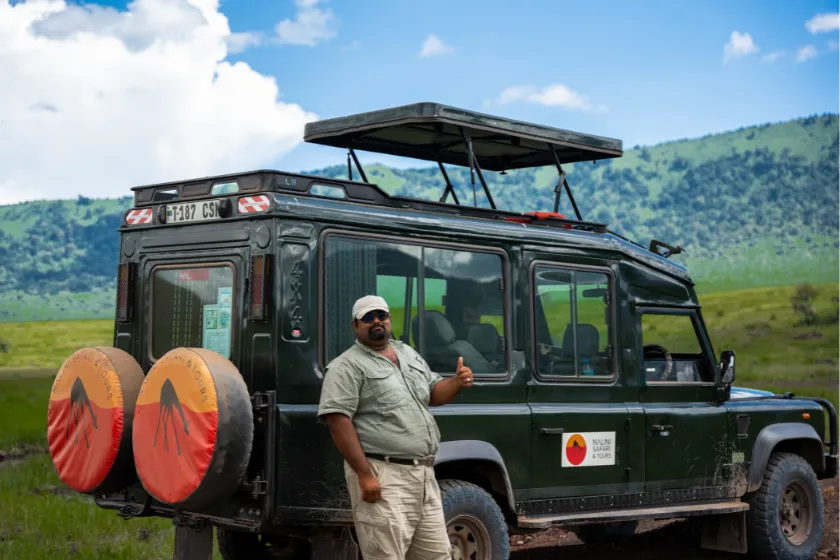
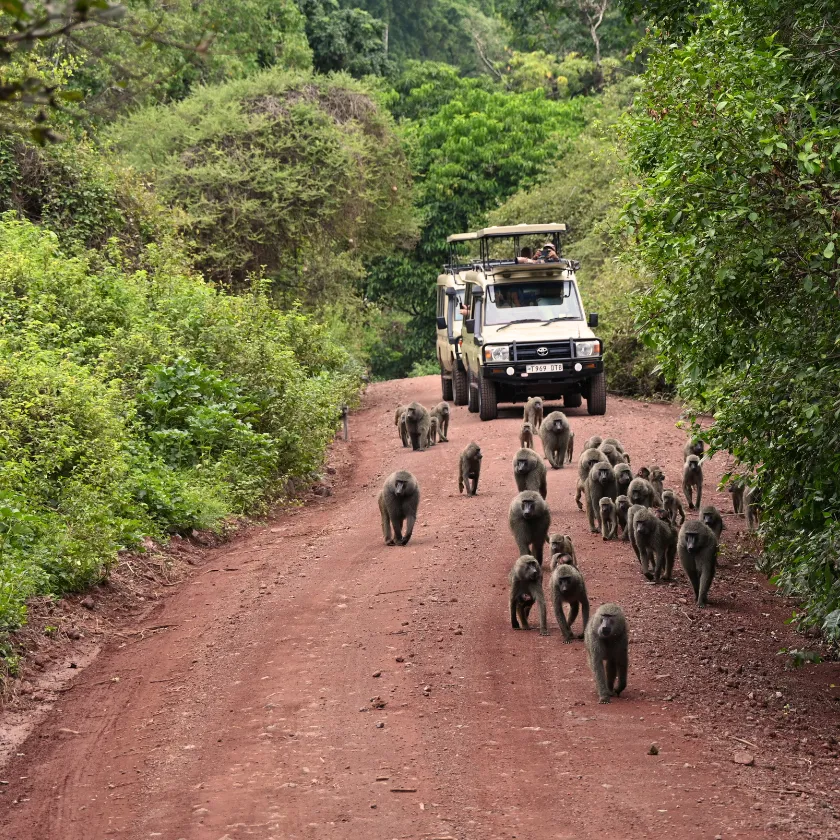
There are several different safari options in South Africa. Safaris often take place in open jeeps in private reserves or national parks such as Kruger. Most lodges offer both morning and afternoon safaris with experienced rangers. In some places, there is also the option of a walking safari with an armed ranger. Safaris can be combined with visits to Cape Town, wine regions, the Garden Route, or other parts of the country.
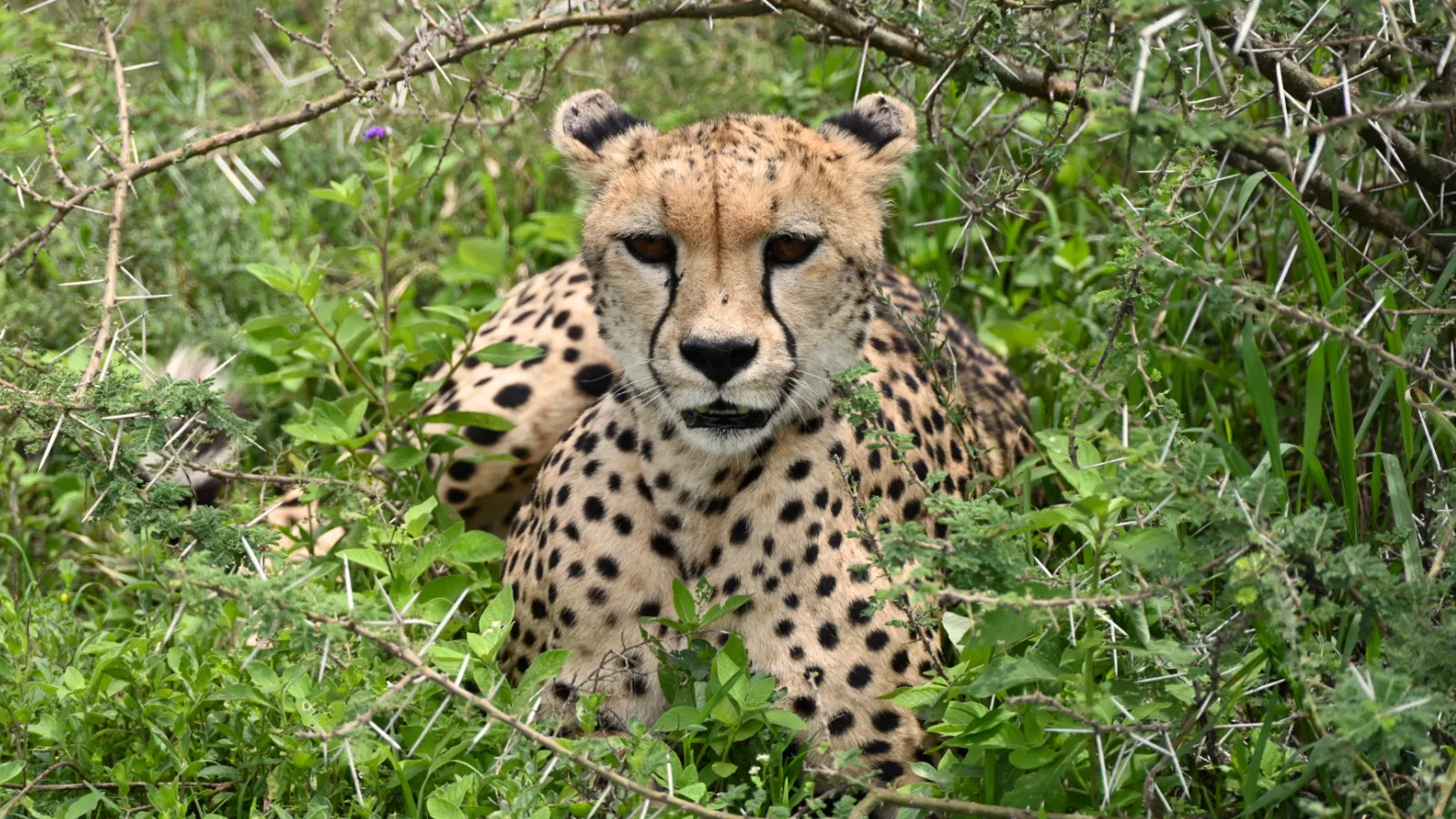
During the safari
Respect nature and wildlife
When you are on safari, it is important to respect the animals and their natural environment. Always follow the guide's instructions and keep your distance from the animals. You are guests in nature, and respectful behavior contributes to both your safety and the well-being of the animals.
Be prepared for the unexpected
Safaris are never entirely predictable. Animals move freely, the weather can change, and sometimes the route is altered to follow wildlife. Consider this part of the experience; often it is the unexpected encounters that become the strongest memories of the trip.
Download music and podcasts
During transportation between different parts of South Africa, especially to and from safari areas, mobile coverage may be limited. We therefore recommend that you download music, audiobooks, or podcasts in advance for extra comfort during your trip.
Guide to tipping
Tipping is common in South Africa. How much you give is always voluntary, but here are some guidelines:
- Safari guide/ranger: approx. USD 10–15 per person per day
- Tracker (if available): approx. USD 5–10 per person per day
- Lodge staff: there is often a shared tip box at the lodge
Enjoy the moment
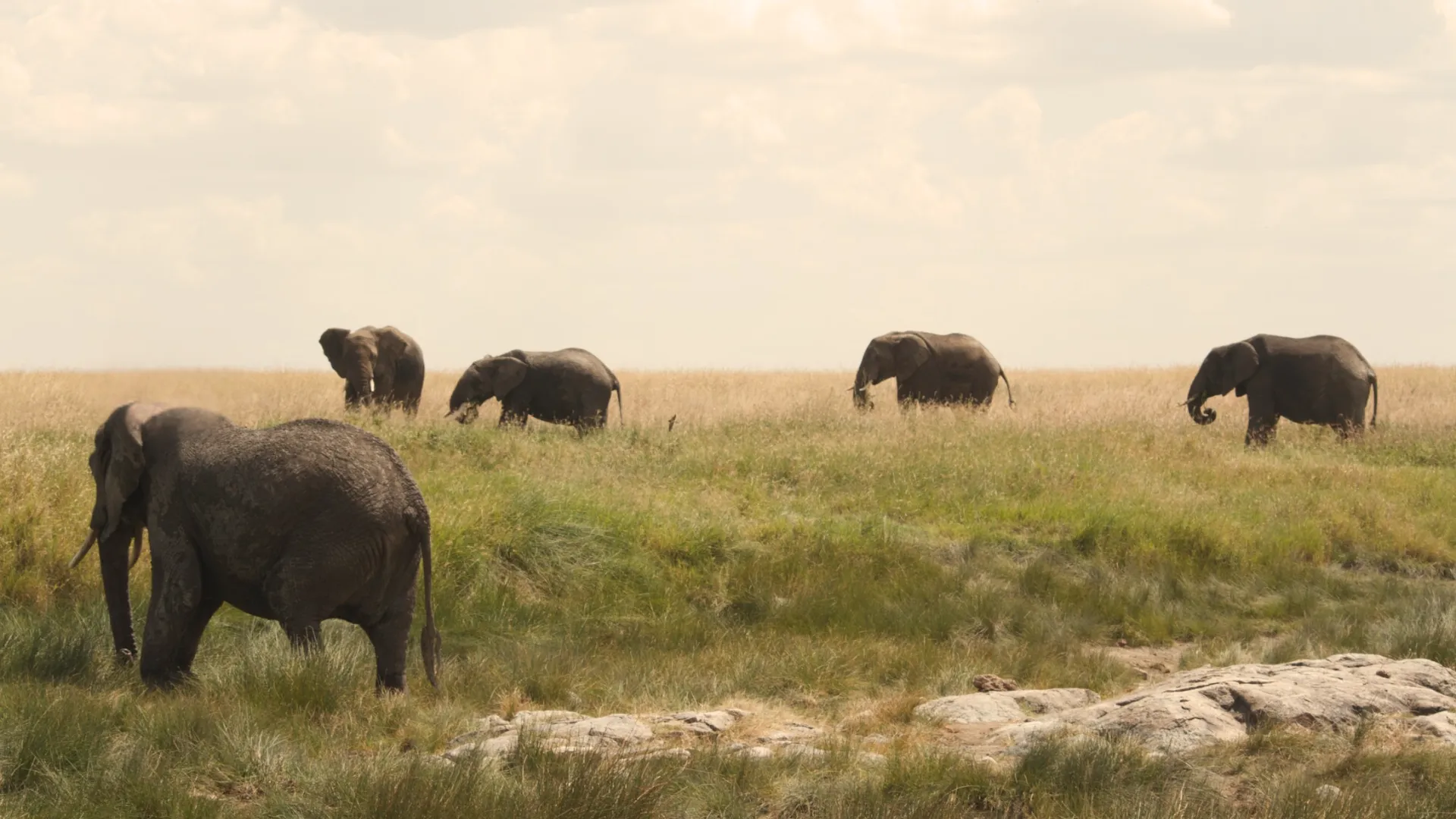
Safari is not just about checking off animal species. Sometimes it is the quiet moments that are most moving, such as when the sun rises over the bush, when a herd of elephants passes by in silence, or when the sounds of nature take over after dark. We recommend putting down your camera sometimes and just being in the moment. That is often when the magic really happens.