Family trip
From city life to wilderness – Three sides of South Africa
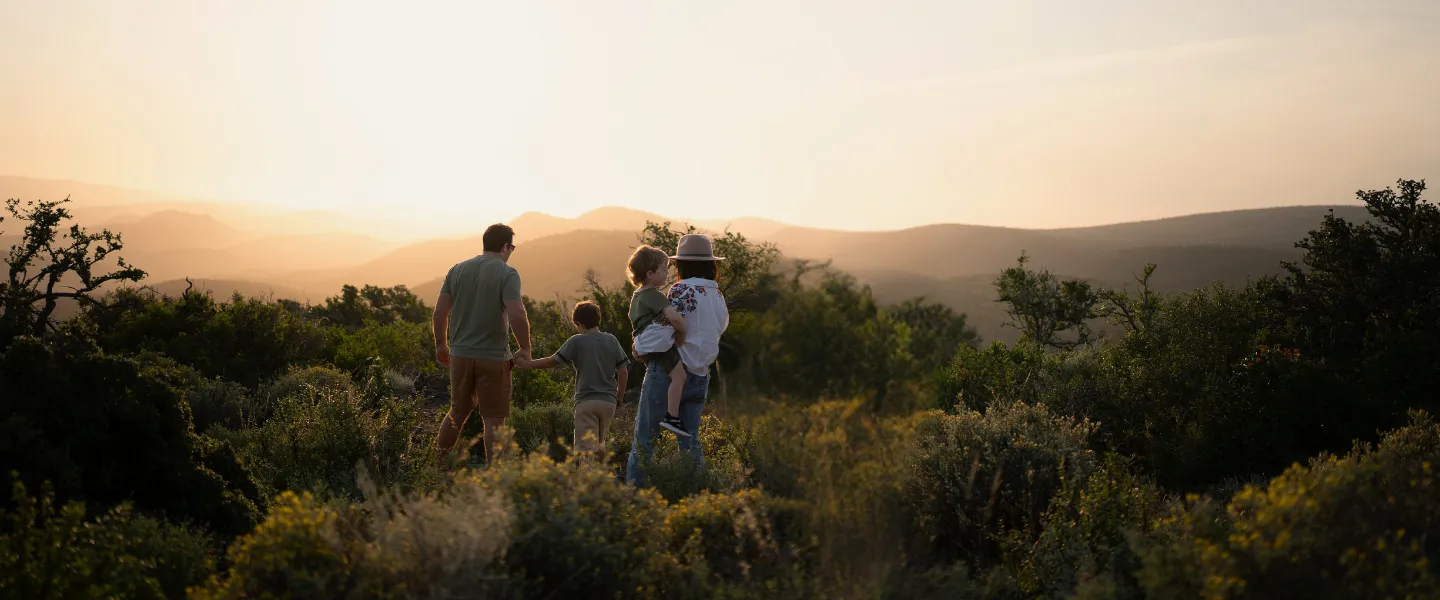
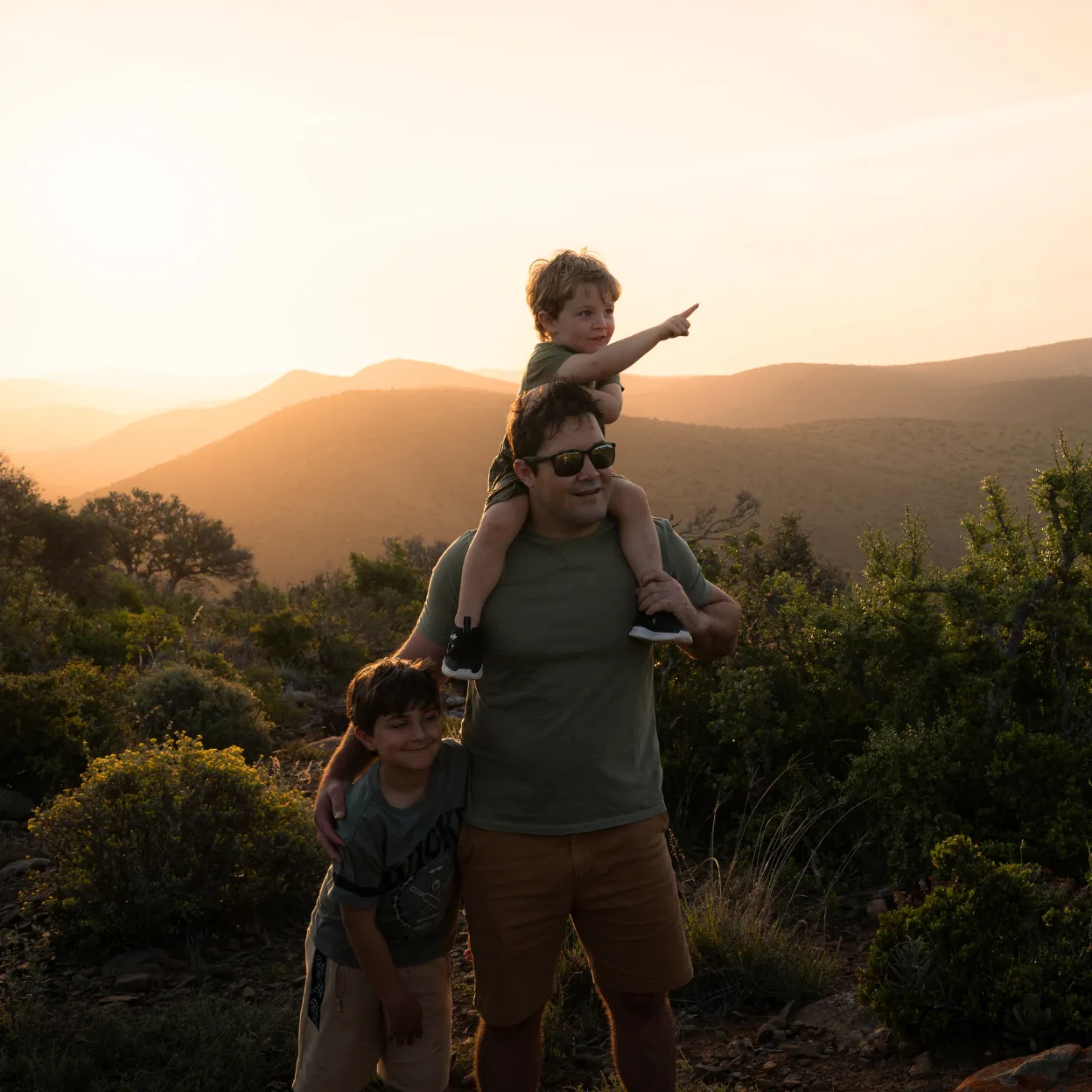
This is an ideal itinerary for families who want to experience the best of the Western Cape – from vibrant city life and coastal nature to safaris in a private game reserve. The trip offers great contrasts and varied experiences, with each destination complementing the other in a natural way.
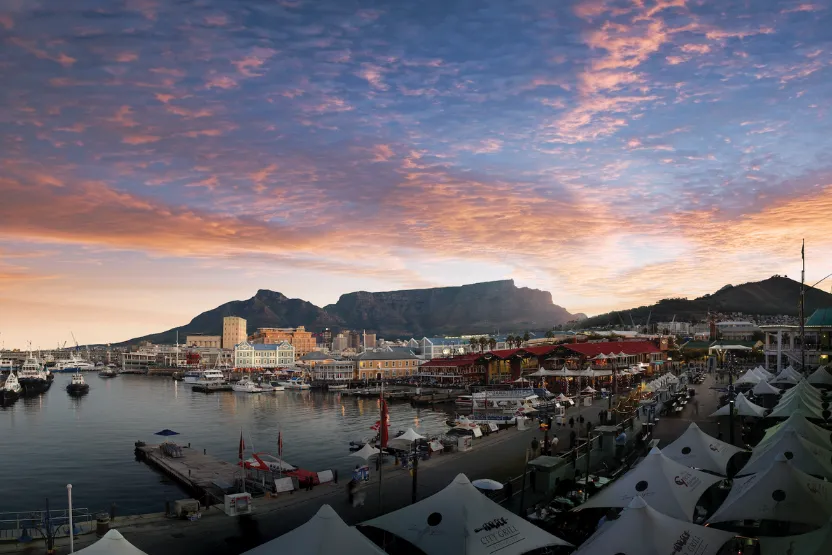
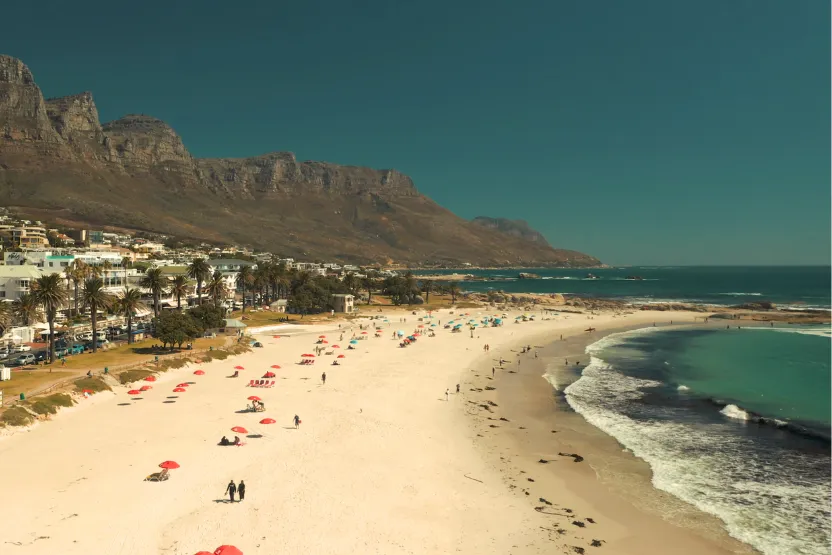
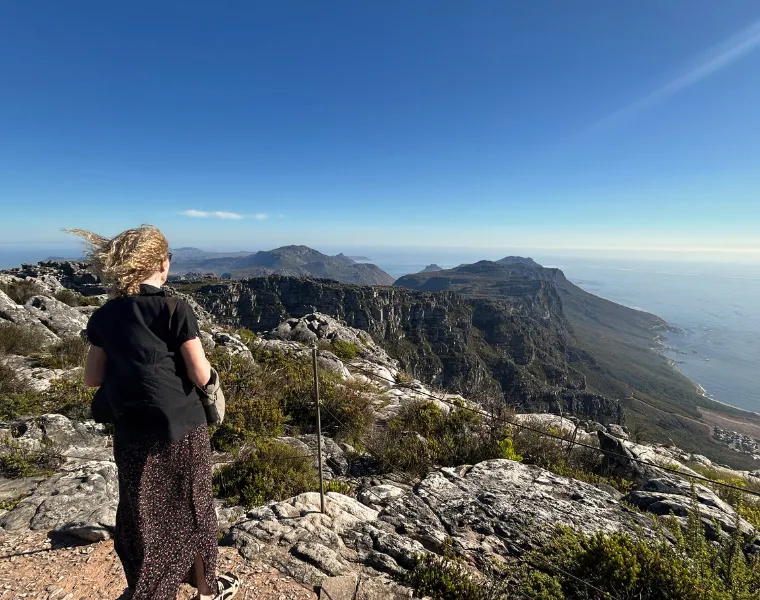
The journey begins in Cape Town, one of the world's most beautifully situated cities, where majestic mountains meet the Atlantic Ocean. Here you can explore Table Mountain, visit Robben Island, visit the famous aquarium, and enjoy the city's wide range of restaurants, markets, and cultural experiences. There are plenty of family-friendly activities.
After spending a few days in the big city, the journey continues east to De Hoop Nature Reserve, one of South Africa's most unique and unspoiled natural areas. Here there are plenty of opportunities for activities such as boat trips, bike rides, tennis, snorkeling, and nature experiences. De Hoop is also known for its rich bird life and tranquility.
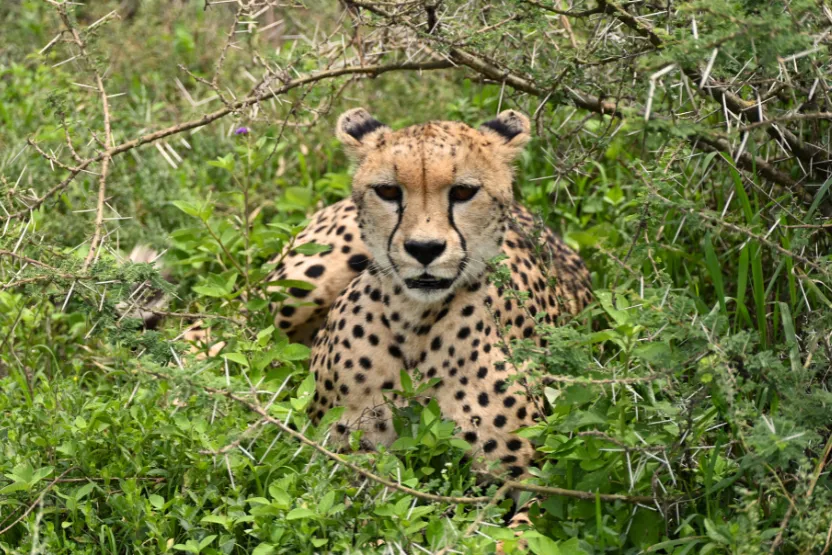
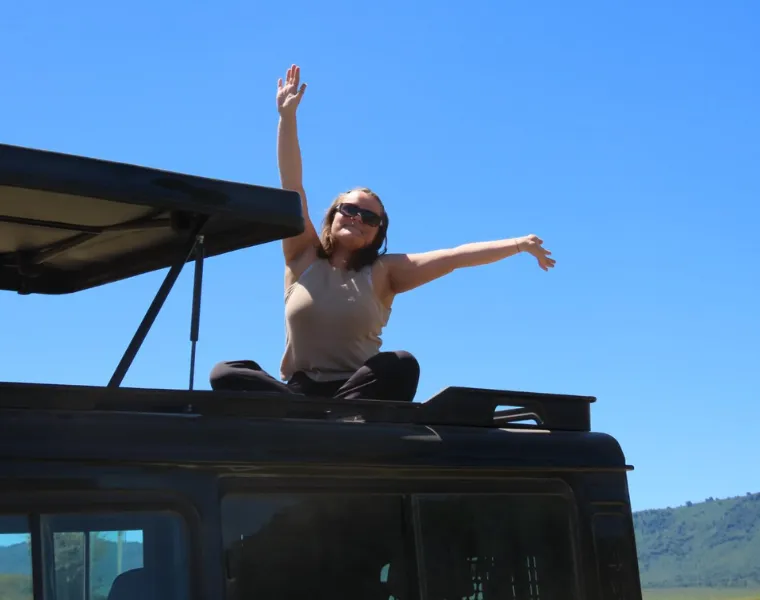
To conclude, a safari adventure awaits at Gondwana Game Reserve, a private and malaria-free game reserve along the Garden Route. Here you can experience safaris in open jeeps accompanied by experienced guides and have the chance to see the classic Big Five as well as many other animal species. Gondwana has rolling hills and mountains, creating a unique and very beautiful safari experience.
We are happy to tailor the trip to your wishes.
Car rental is included every day, but can be replaced with private transfer
Price: 24,800 SEK per person
Includes
- Rental car for the entire trip (can be exchanged for private transfer)
- Meet & greet upon arrival
- Safari tours according to plan
- Knowledgeable English-speaking guide
- Meals according to itinerary
- Accommodation according to itinerary
- Round-the-clock service during the journey
- Snacks and drinks during the safari tour
- Contributions to local projects
- Safe travel – we comply with the Package Travel Act and have provided a travel guarantee.
Tips
- Your passport must be valid for at least 6 months after your planned return date and have at least two blank pages.
- Swedish citizens do not need a visa for tourist trips to South Africa for up to 90 days.
- South Africa is in the same time zone as Sweden during winter time (no time difference). When Sweden is on summer time, South Africa is 1 hour ahead.
- The currency in South Africa is the South African rand (ZAR). ATMs are available almost everywhere and cards are widely accepted.
- Tipping is common in South Africa. In restaurants, it is normal to tip around 10–15%, and it is also customary to tip guides and drivers after tours and safaris.

Days included in the package
Day 1 - Departure
Today your adventure begins as you fly from your chosen airport to Cape Town. You can choose to book your international flight through us or arrange your own flight tickets if you prefer.
- Meals on the flight
Day 2 - Welcome to South Africa
Today you arrive in fantastic Cape Town. At Cape Town Airport, you will be met by our local representative, who will be holding a sign with your name on it and will tell you about Cape Town and answer any questions you may have. Cape Town has so much to offer. There is something for everyone here. For those who are adventurous and want to go on an adventure, there is plenty to do.
- No meals included
Days 3–6 Explore Cape Town on your own
During your stay in Cape Town, you will have time to discover a city that is consistently ranked as one of the most attractive in the world. Nature is always present, whether you are walking in the city, along the coast, or up in the mountains. Cape Town offers a wonderful mix of experiences, from hiking on Table Mountain or Lion's Head to relaxing on the beaches. The city's history and culture are as fascinating as its nature, with places such as Robben Island and the colorful Bo-Kaap providing important perspectives on South Africa's past and present. The food and wine scene is of a very high standard, with everything from trendy restaurants to local markets.We are happy to help with personal tips on excursions, activities, and restaurants, so that you can make the most of your time in Cape Town based on your interests and preferences.
- Breakfast
Day 6 - 8 - Stellenbosch
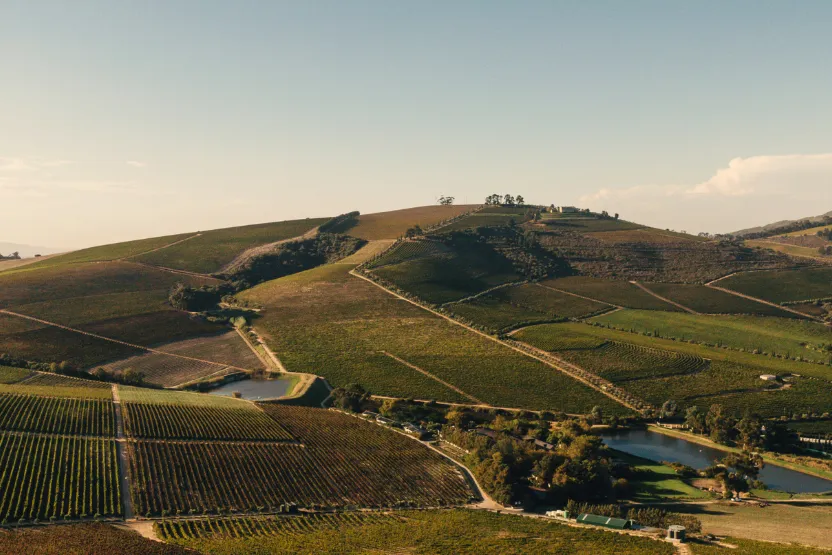
In the coming days, we will visit Stellenbosch, one of South Africa's most charming small towns and the heart of the country's famous wine region. Here, the pace of the big city is replaced by peaceful surroundings with vineyards, mountain views, and a relaxed atmosphere that is perfect for both adults and children. Stellenbosch is known for its beautiful surroundings, historic streets, and pleasant farms where you can enjoy wine tastings, good food, and scenic environments. Many wineries are also very family-friendly and offer large lawns, playgrounds, and often kid-friendly tastings of brownies, chocolate, and juice, for example. You will have plenty of time to explore the area at your own pace, stroll around small shops and cafés, or just take it easy and enjoy the beautiful scenery.
- Breakfast
Day 8 - 10 - De Hoop Nature Reserve
Today you will travel to De Hoop Nature Reserve, a protected nature area about three hours east. Already on the way into the reserve, you will be greeted by a rolling landscape with sand dunes and expansive views, and it rarely takes long before you spot animals such as zebras, ostriches, baboons, and eland antelopes.
You will stay in the heart of the reserve at De Hoop Collection, in historic whitewashed cottages that belong to an old farm from the 18th century. Here, the animals roam freely around the accommodation, and the evenings offer total tranquility and an impressive starry sky.
During your stay at De Hoop, there are plenty of opportunities to explore at your own pace. You can go hiking, cycling, or boating. Or join a guided jeep safari to learn more about the area's unique flora and fauna. You can also relax at one of the area's pools or play a game of tennis.
A particularly popular feature is the unique vulture experience, where you can see a large colony of vultures gathering, a powerful and unusual spectacle.
During the right season, usually between June and November, De Hoop is also one of South Africa's best places for whale watching directly from land.
- Breakfast
Day 11 Gondwana - Opportunity to see the Big Five
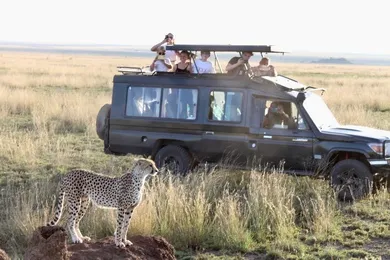
After breakfast, you will head to Gondwana Game Reserve, a private wildlife reserve. Here, a completely different landscape awaits, with open plains, hills, and scrubland stretching out before you, home to fascinating wildlife. Here, you will go on safari in open jeeps accompanied by experienced guides. Gondwana is home to the famous Big Five as well as many other animal species.
Day 12 Gondwana - Full day of wildlife viewing
In the morning, it's time for an early safari in the reserve. Mornings are one of the best times to see the animals when they are most active and the landscape slowly comes to life in the morning light. Together with your guide, you will search for wild animals and learn more about the ecosystem and animal behavior. After the safari, you will return to the lodge where a delicious breakfast will be served. You will then have time to enjoy the lodge before heading out on an afternoon safari.
Day 13 - Return journey
Today is your last morning safari, giving you one last chance to experience wildlife as the savannah comes to life. After the safari, you will return to the lodge for breakfast and time to digest all your impressions. Afterwards, a transfer will be arranged in good time to the airport for your onward journey home.
- Meals on the plane
Day 14 - Return home
Today you will arrive home in Sweden after what we hope has been a fantastic trip. We hope you will take many wonderful memories with you to look back on.
- Breakfast
We are on site
Meet your travel advisors
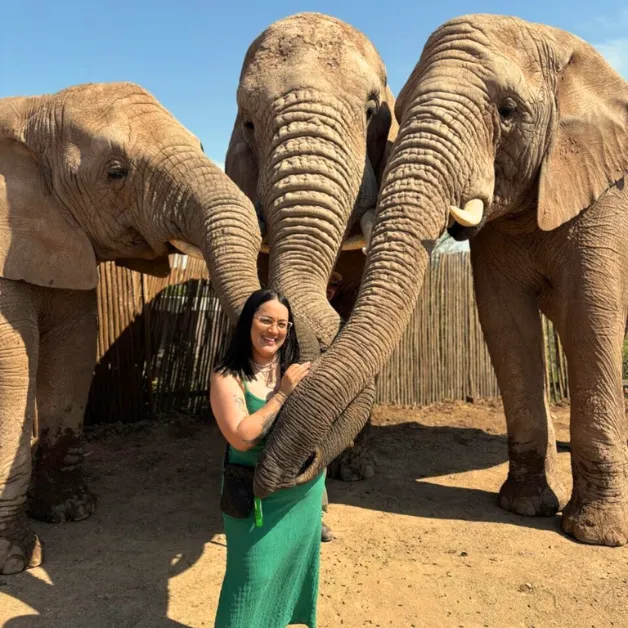
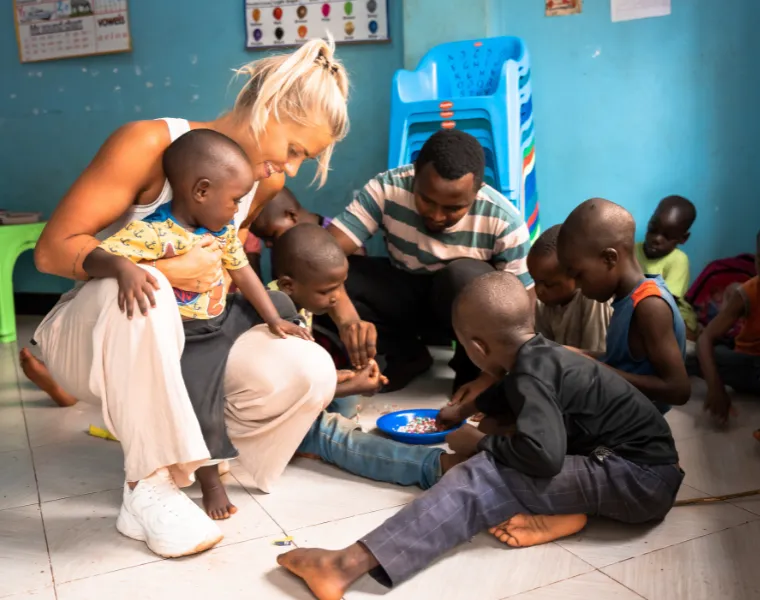
Tania lives in Cape Town and loves showing travelers around her beloved South Africa. She is responsible for everything on site and makes sure that every detail of the trip is well thought out, that you have an authentic experience, and that everything runs smoothly. She will do everything and more to make you feel safe throughout your trip and ensure you have a fantastic journey!
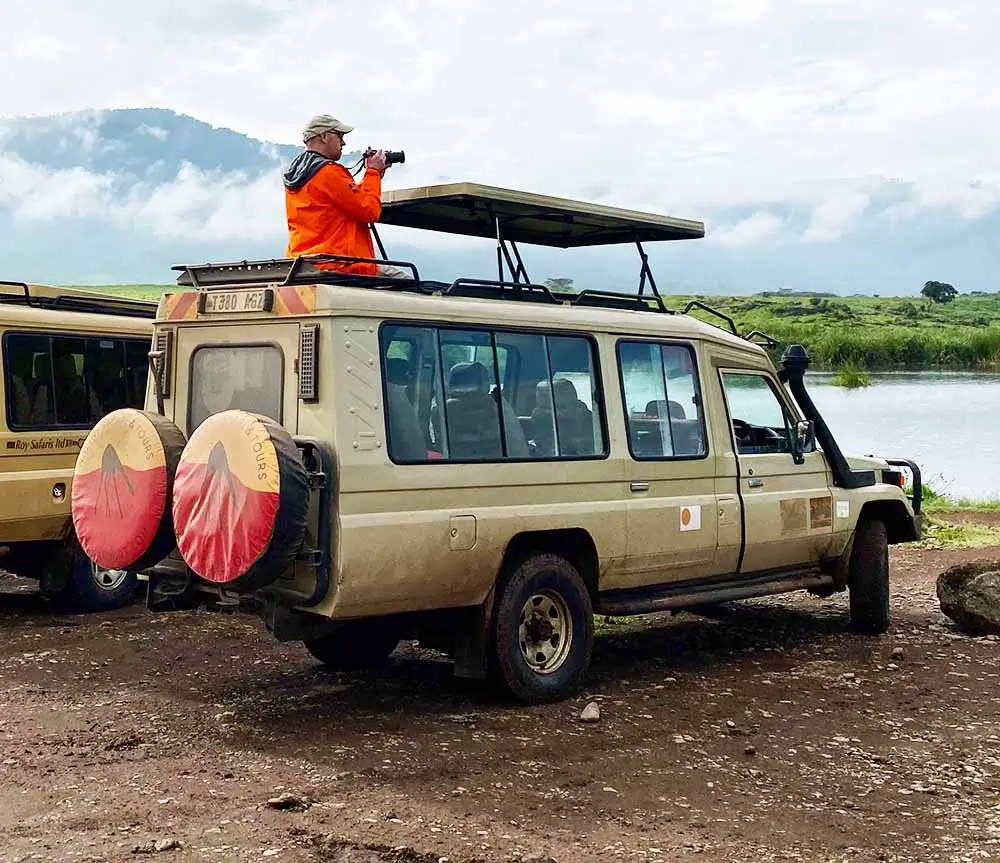
Our tour guides are always ready to help with any questions you may have about your trip. They are knowledgeable and dedicated, and their goal is to make your experience as smooth and memorable as possible.
Contact us
Good to know
We are happy to help you book your airline tickets.
We have access to a system where we can compare a large number of flights and come up with several options based on your preferences, such as departure date, airline, number of stopovers, or departure city. We can book flights from most countries, not just Sweden.
If we find an option that suits you, we can also reserve the tickets, which means that the price is locked in for a short period while you consider your options. A reservation is not binding and can be canceled at any time if you decide not to proceed.
You are also welcome to book your own flight if you prefer.
- For a pure safari trip in Kruger combined with Cape Town, it is easiest to fly to Johannesburg and home from Cape Town, or vice versa.
- During certain periods in high season, we also have pre-booked airports on selected dates, which usually results in slightly cheaper prices.
- We usually book all domestic flights, but you can also choose to do this yourself.
Currency
South Africa uses the South African Rand (ZAR). USD is generally not accepted as payment, so the rand is used in everyday life.
Withdrawing money
There are plenty of ATMs in cities such as Cape Town, Johannesburg, Durban, along the Garden Route, and even in tourist areas around Kruger. It is not possible to exchange money for rand at all Swedish banks, so many choose to withdraw money immediately upon arrival.
Card payment
Cards are accepted almost everywhere, such as in restaurants, hotels, and shops. In smaller markets or more remote areas, cash may still be necessary, so always carry some cash with you as a backup.
Small bills
It is good to have small bills for tips, parking, small purchases at markets, or guided tours. Ask for smaller bills when withdrawing or exchanging money.
Bargain with consideration
At markets and in some shops, it is common to negotiate the price. Do so in a friendly and respectful manner, as this is often their main source of income.
South African cuisine is known for its great variety, reflecting the country's rich mix of cultures. Here, African, European, and Asian influences come together in flavorful dishes.
Typical ingredients and dishes
- Meat is a central part of the food culture. South Africa is known for its braais (barbecue evenings) where everything from beef and chicken to lamb and boerewors (the classic South African sausage) is grilled.
- Bobotie, a spicy minced meat dish with egg topping, is one of the country's most beloved national dishes.
- Seafood is common along the coast, especially in Cape Town, where grilled fish, mussels, and calamari are popular.
Wine and beverages
South Africa is one of the world's most prominent wine countries. The wine regions of Stellenbosch, Franschhoek, and Paarl produce internationally acclaimed wines, especially the unique Pinotage grape.
For beer lovers, there are several local varieties and microbreweries.
Fruit and vegetables
The country has a varied climate with good growing conditions. As a result, there is a wide range of tropical fruits such as mangoes, guavas, and passion fruit, as well as grapes, citrus fruits, and avocados, which are often used in cooking.
The security situation in South Africa varies depending on the area and time of day, and as in many other large countries, there are certain challenges. It is important to avoid walking alone in the dark or staying in deserted places in the evening.
The most popular tourist destinations, such as Cape Town, Stellenbosch, Franschhoek, the Garden Route, and safari areas such as Kruger, are well-visited and generally considered safe to travel to.
Some areas have high crime rates, but these are far from the areas where visitors usually travel.
If you follow standard safety advice and use common sense, the risk of something happening is very small, and most travelers find South Africa to be both safe and welcoming.
Every season has its own unique charm

November - February
This is the South African summer and one of the most popular times to travel, especially to Cape Town, the wine regions, and the Garden Route. The weather is warm (around 30 degrees Celsius), sunny, and ideal for beach life, wine tastings, and excursions. In safari areas such as Kruger, there is rain, but usually in the form of short, intense showers that pass quickly. The landscape is green and lush, the wildlife is rich, and this is also the time when many animals have their young, which makes the safari extra special.

March - May
This is autumn in South Africa and a very pleasant time to visit. In April and May, temperatures begin to drop to around 25 degrees Celsius. The landscape gradually changes color and there are fewer tourists. In Kruger, there is less rain and the vegetation begins to open up, making it easier to spot animals. This is an excellent time for safaris as the animals are active, it is still warm, and the weather on the coast is still very pleasant with often sunny days.

June - August
This is a great season for those who want to focus on safaris in South Africa. In Kruger and other reserves, there are dry, clear days and minimal vegetation, which makes the animals much easier to see when they visit the waterholes. In Cape Town and along the south coast, it is winter, which means temperatures of around 12–16 degrees Celsius and a greater chance of rain. During this period, it is peak season for whale watching in Hermanus and the surrounding areas. If you are looking for wildlife, this is a good time to visit, but if you want to combine it with Cape Town, it is better to choose another period.

September - October
This is one of the best months for a combined safari and Cape Town trip. The safari areas are still dry, the animals are easy to spot, and the temperature is starting to rise. At the same time, Cape Town is heading into spring, which means incredibly beautiful nature in bloom, pleasant weather, and a quieter tourist season. For whale watching in Hermanus, September is one of the best months.
.webp)



Make a booking request
Your request is not binding and you can of course change the number of days or make other requests. We will get back to you as soon as possible!