Safari in Tarangire National Park
Kingdom of the Elephants
Facts
Tarangire National Park is about the same size as Blekinge and is located in the heart of northern Tanzania. Although the park is often overshadowed by its more famous neighbors, such as Serengeti and Ngorongoro, Tarangire is one of the country's most underrated gems. Visitors to the area can look forward to a world-class safari experience.
The park takes its name from the Tarangire River, which winds its way through the undulating landscape. During the dry season, the river becomes the only reliable source of water in the area, making it a central lifeline where large numbers of animals gather, a spectacle that attracts nature lovers from all over the world.
History & preservation of the park
Tarangire National Park was established in 1970 and is now one of Tanzania's most important protected areas. Before the park was officially designated, the area served as traditional migration routes for wild animals, especially during the dry season when the river became a crucial source of water. Local communities lived in harmony with nature, and many of these traditions live on today in the villages surrounding the park.
Conservation work in Tarangire is extensive and important. The park is a central part of the Tarangire–Manyara ecosystem, one of the country's most significant natural areas. It is particularly known for supporting one of East Africa's largest elephant populations, and several organizations are actively working to protect both the animals and their migration corridors.
Wildlife
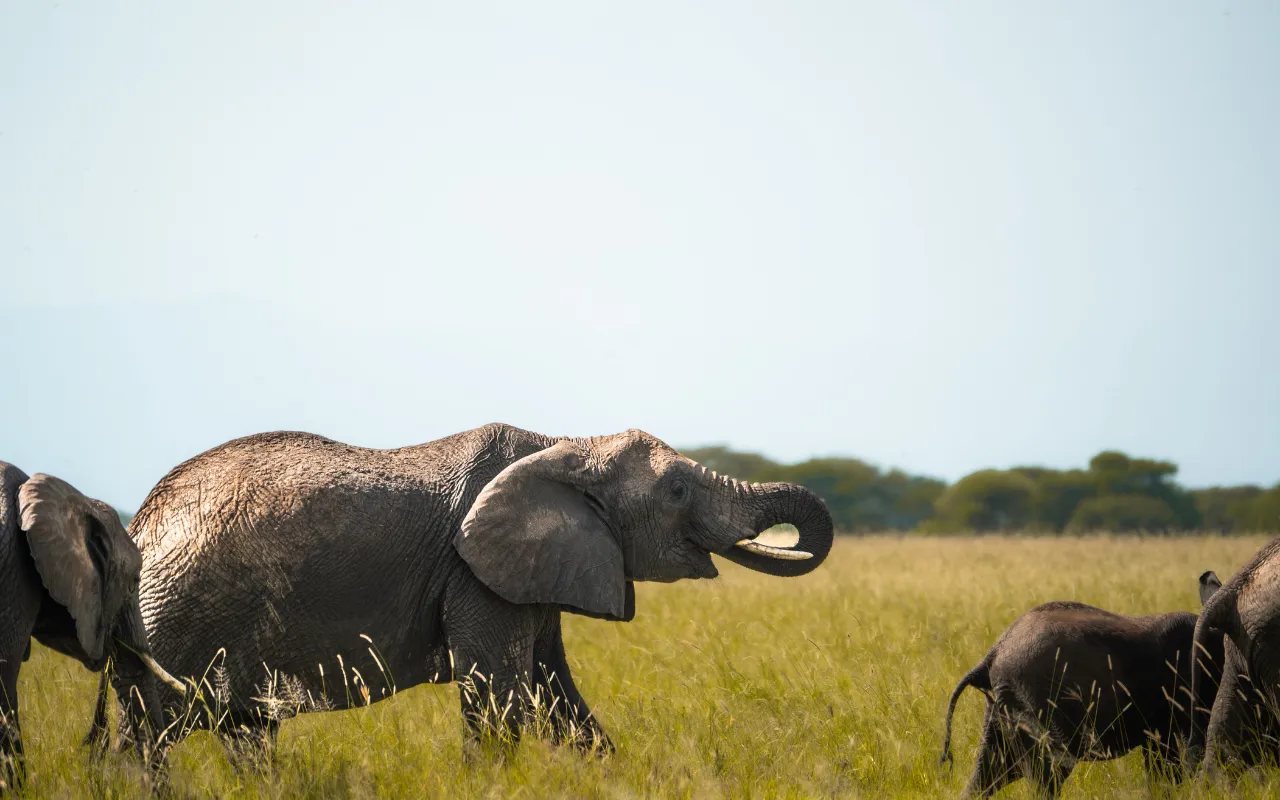
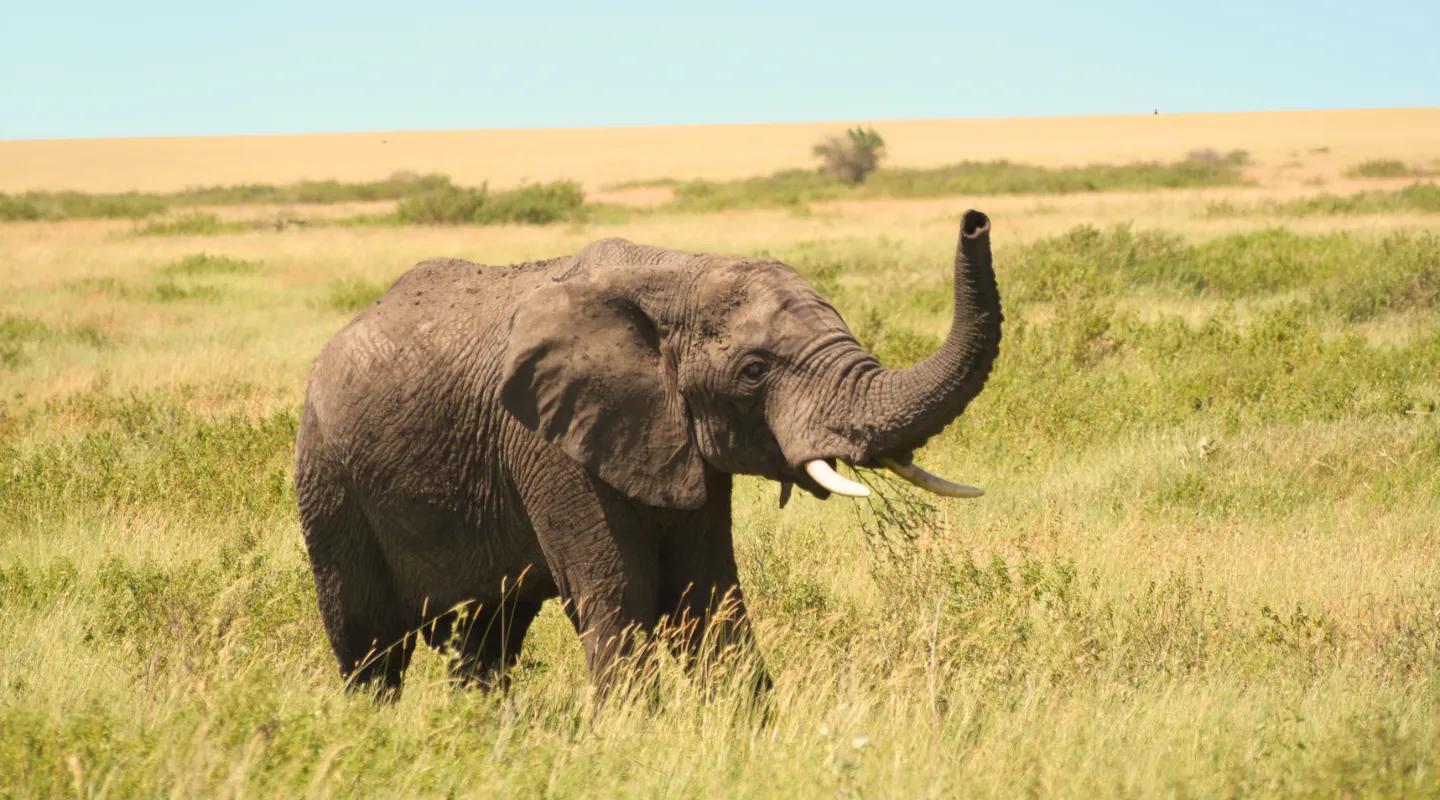
Tarangire is at its best during the dry season, from July to November. During this time, wildlife congregates around the river, creating one of the largest concentrations of wild animals in northern Tanzania. The park is particularly famous for its huge elephant populations. With around 3,000 elephants, herds often move in their hundreds, and it is not uncommon for safari travelers to feel that elephants are everywhere they look.
Many of the savannah's iconic predators also thrive here. Lions and leopards are often seen patrolling near the river in search of prey. After the short rains at the end of November, some animals spread out across the surrounding savannahs, only to return to the park in June when the landscape begins to dry up.
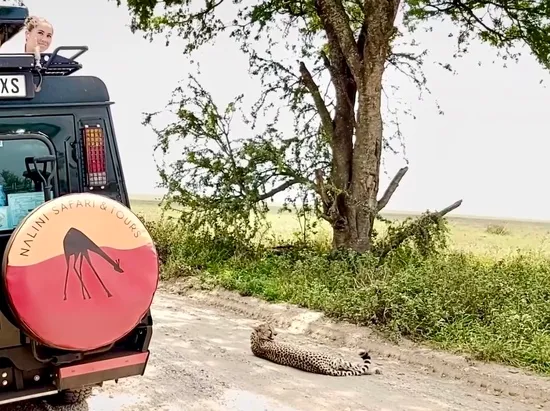
Despite this, Tarangire is well worth a visit all year round. Even during the green season, wildlife is abundant, and the vegetation creates a dramatic, colorful backdrop. The rainy season also attracts a wide variety of bird species, making the park a paradise for birdwatchers. In Tarangire, you can see giraffes, cheetahs, buffalos, zebras, wildebeests, lions, leopards, and many species of antelope, among other animals.
Nature
Tarangire's nature is something out of the ordinary, with many visitors describing it as almost prehistoric, like something out of a scene from Jurassic Park. The landscape is hilly and varied, with green hills, scattered palm trees, sparse acacia trees, and vast plains.
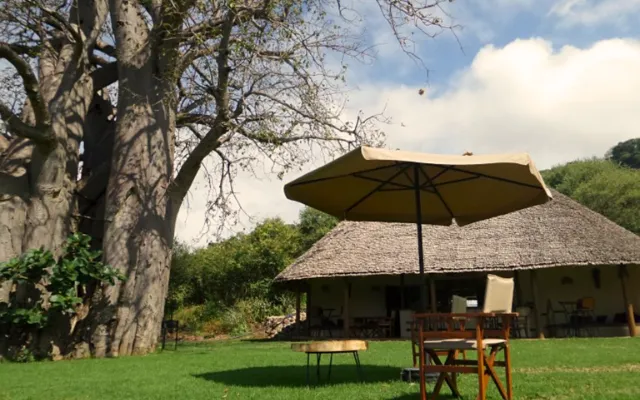
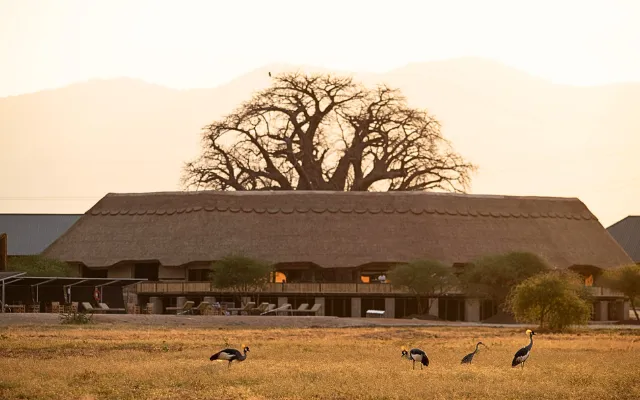
One of the park's most iconic features is the impressive baobab trees. These ancient giants, which can sometimes live for thousands of years, stand as monuments to the passage of time and create a magical atmosphere. Tanzania's tallest termite mounds are also found here, and when abandoned, they often become home to lively mongoose colonies.
What makes Tarangire unique?
What truly makes Tarangire unique is its extraordinary concentration of wildlife during the dry season. No other park in northern Tanzania attracts as many animals to such a limited area as Tarangire does around its life-giving river. This annual gathering of elephants, zebras, wildebeests, and predators creates a safari spectacle that is hard to beat. All year round, it is a really good safari destination with all the big predators except the rhinoceros.
Tarangire is also known for its ancient baobab trees, some of the largest and oldest in Tanzania. These giants of nature give the landscape a mystical and almost prehistoric feel. The park's varied terrain—from hills and valleys to sparsely wooded savannahs—differs from many other parks dominated by open plains.
Another unique aspect is the relative tranquility of the park. Despite its rich wildlife, Tarangire is often less visited than Serengeti and Ngorongoro, which means you can enjoy your safari in a more peaceful and relaxed environment. For those seeking a more intimate and authentic nature experience, Tarangire is therefore a fantastic choice.
Recommended accommodation
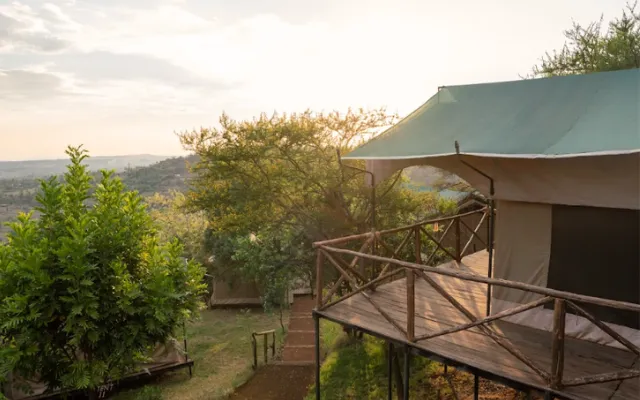
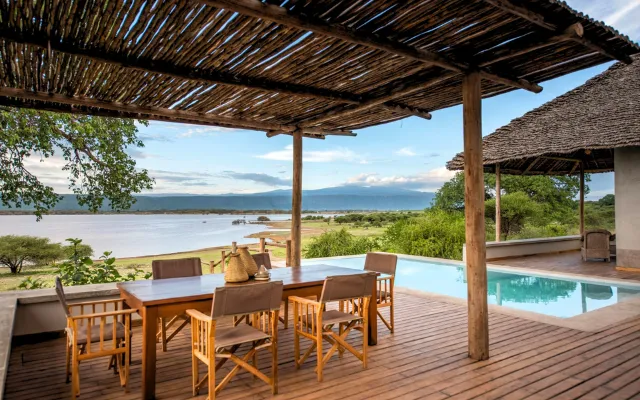
Here are some recommended accommodations for this location