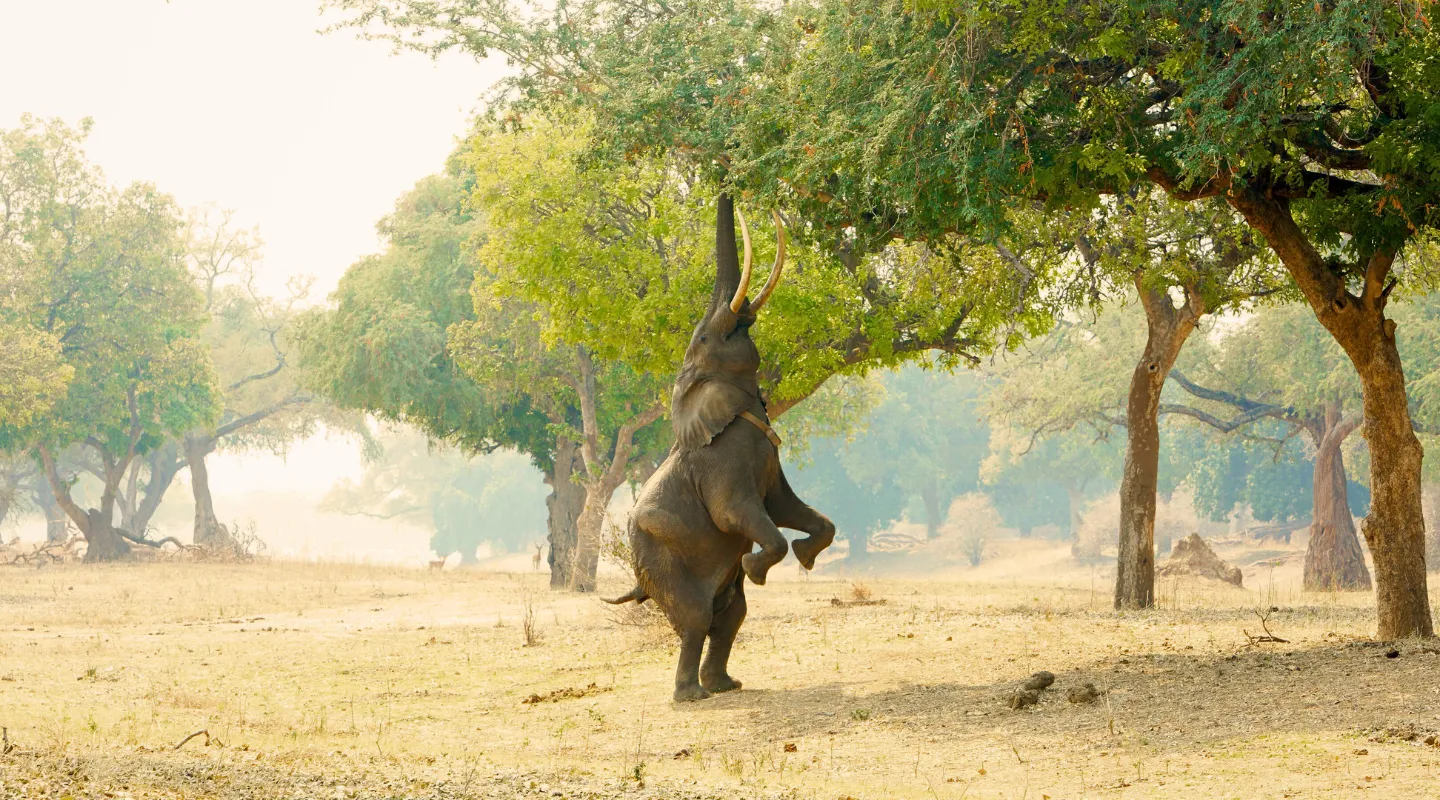
Safari in Addo National Park
Addo Elephant National Park – The kingdom of elephants
Facts
Addo Elephant National Park is located in the eastern Cape Province, about an hour's drive from Port Elizabeth (Gqeberha). It is South Africa's third largest national park and encompasses everything from savannah and bushland to coastline, sand dunes, and marine reserves.
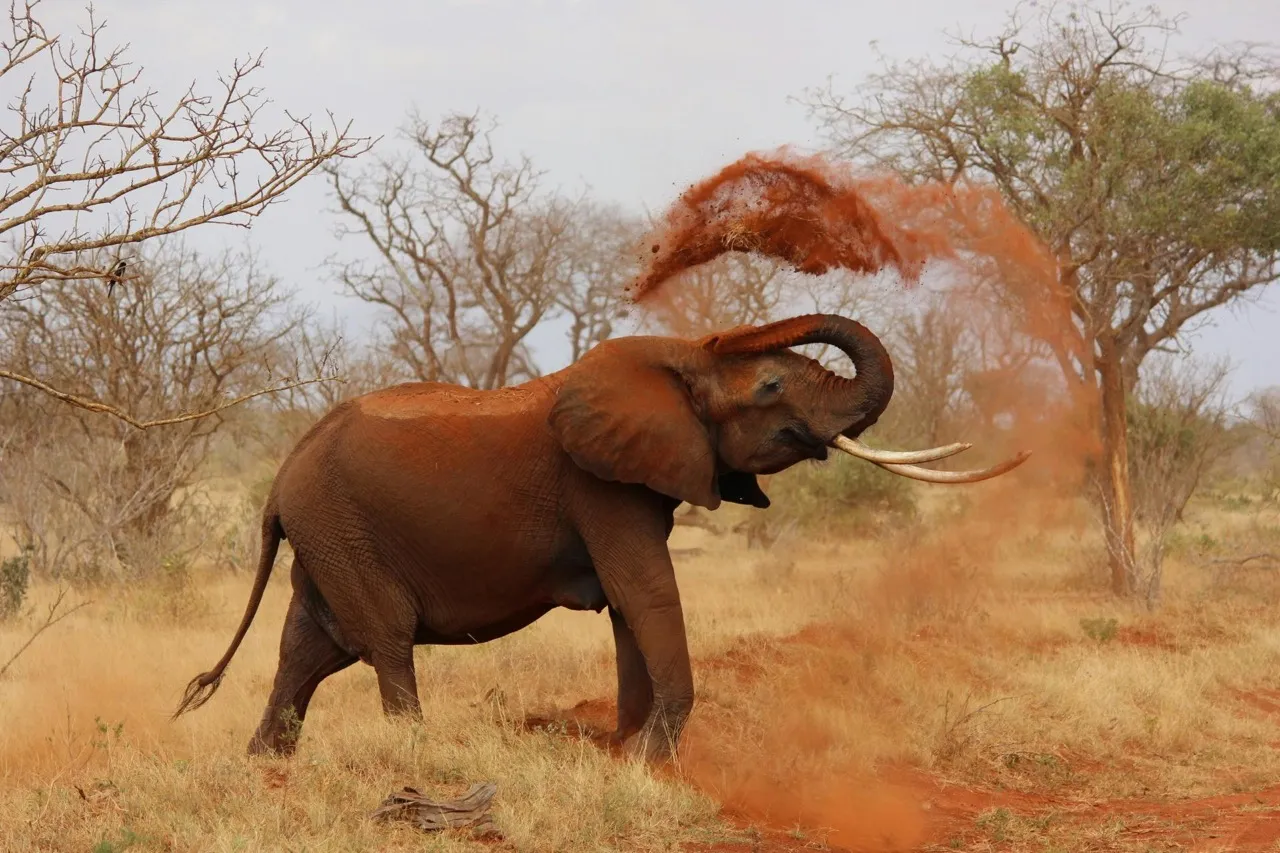
The park was originally established to protect the last remaining elephants in the area, then only eleven, but today it has over 600 elephants and an impressive ecosystem. This is a perfect park for a self-drive tour, which is an exciting experience.
The history and preservation of the park
Addo was founded in 1931 after the elephant population had been almost completely wiped out by hunting and conflicts with farmers. Only eleven individuals remained when the park was created. Thanks to long-term conservation, strict protection, and expansion of the park's boundaries, Addo has become one of Africa's greatest elephant success stories.
Conservation efforts now include:
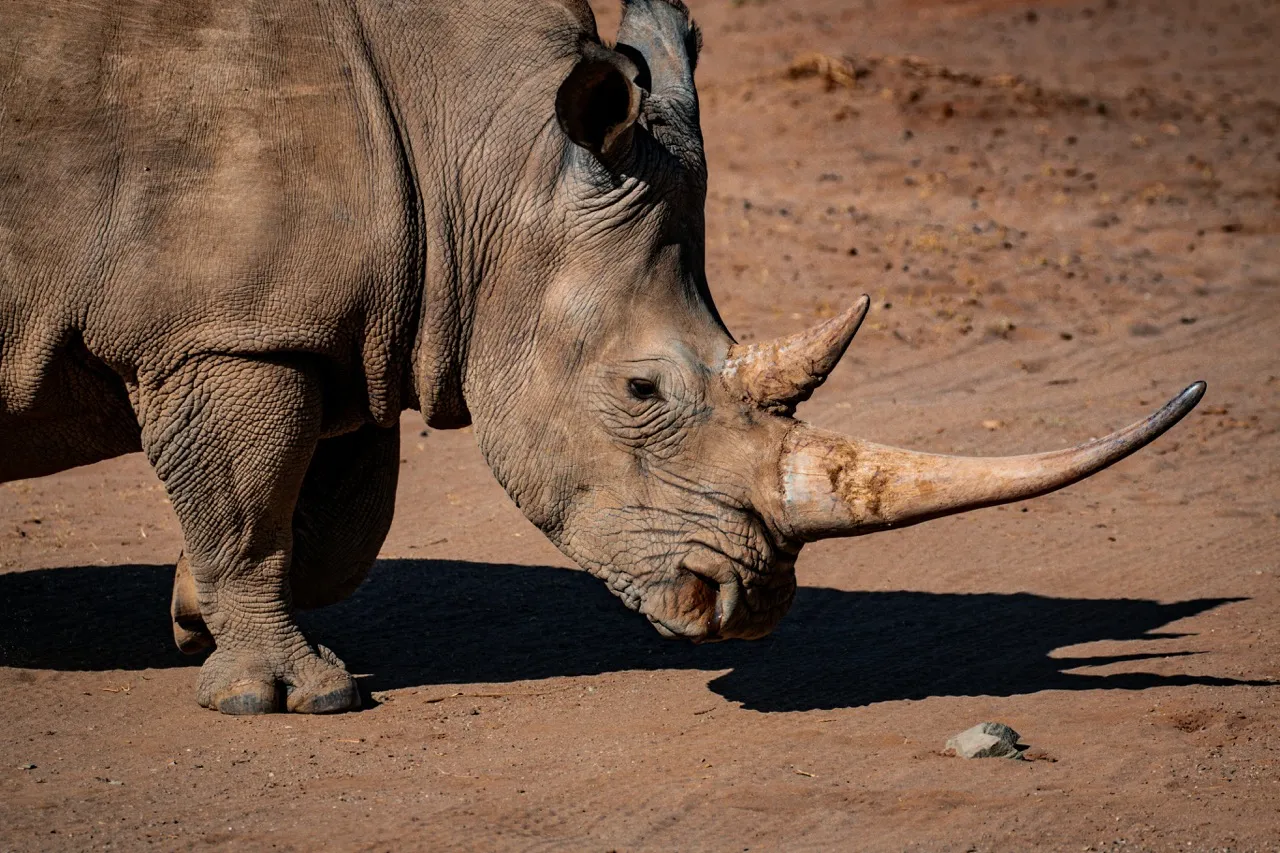
- protection of endangered species such as the black rhinoceros
- research on elephant migrations and behavior
- restoration of original plant zones
- marine protected areas that include whales, dolphins, and great white sharks
Today, Addo is a symbol of hope, recovery, and successful nature conservation.
Wildlife
As its name suggests, Addo is best known for its elephants. There are large herds roaming freely across the park's open landscape and around its waterholes. But Addo has much more to offer than that:
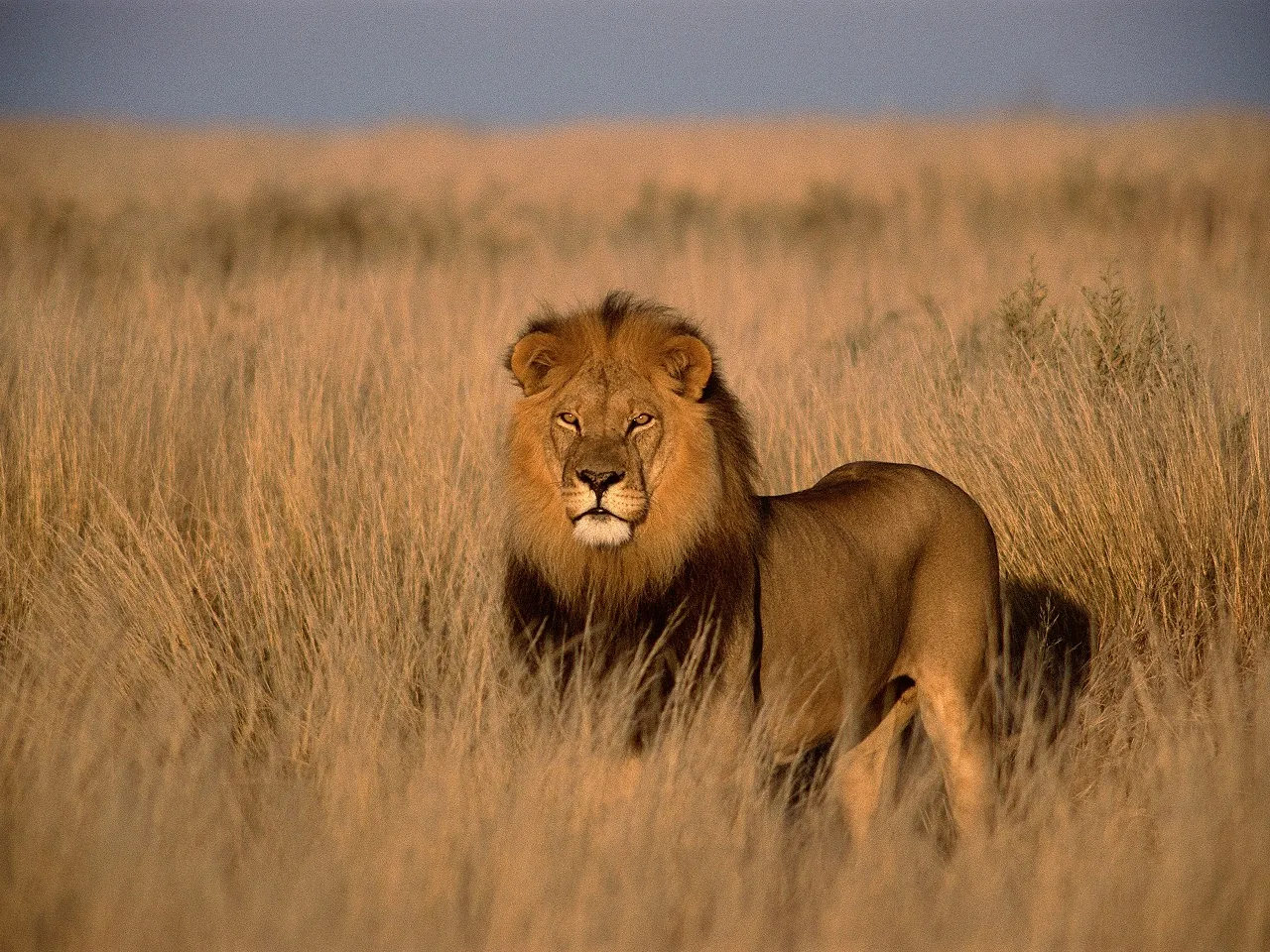
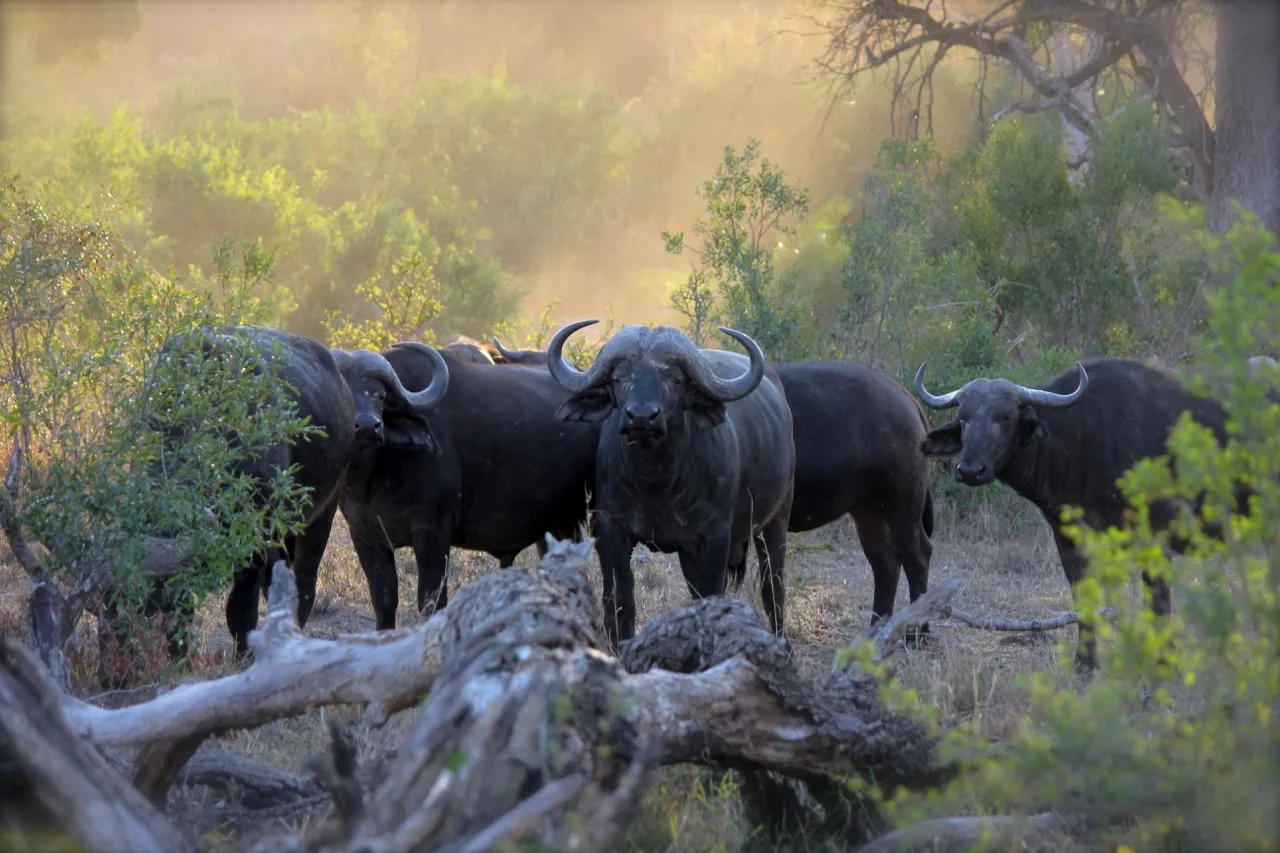
- The Big Five: elephant, lion, buffalo, leopard, and rhinoceros
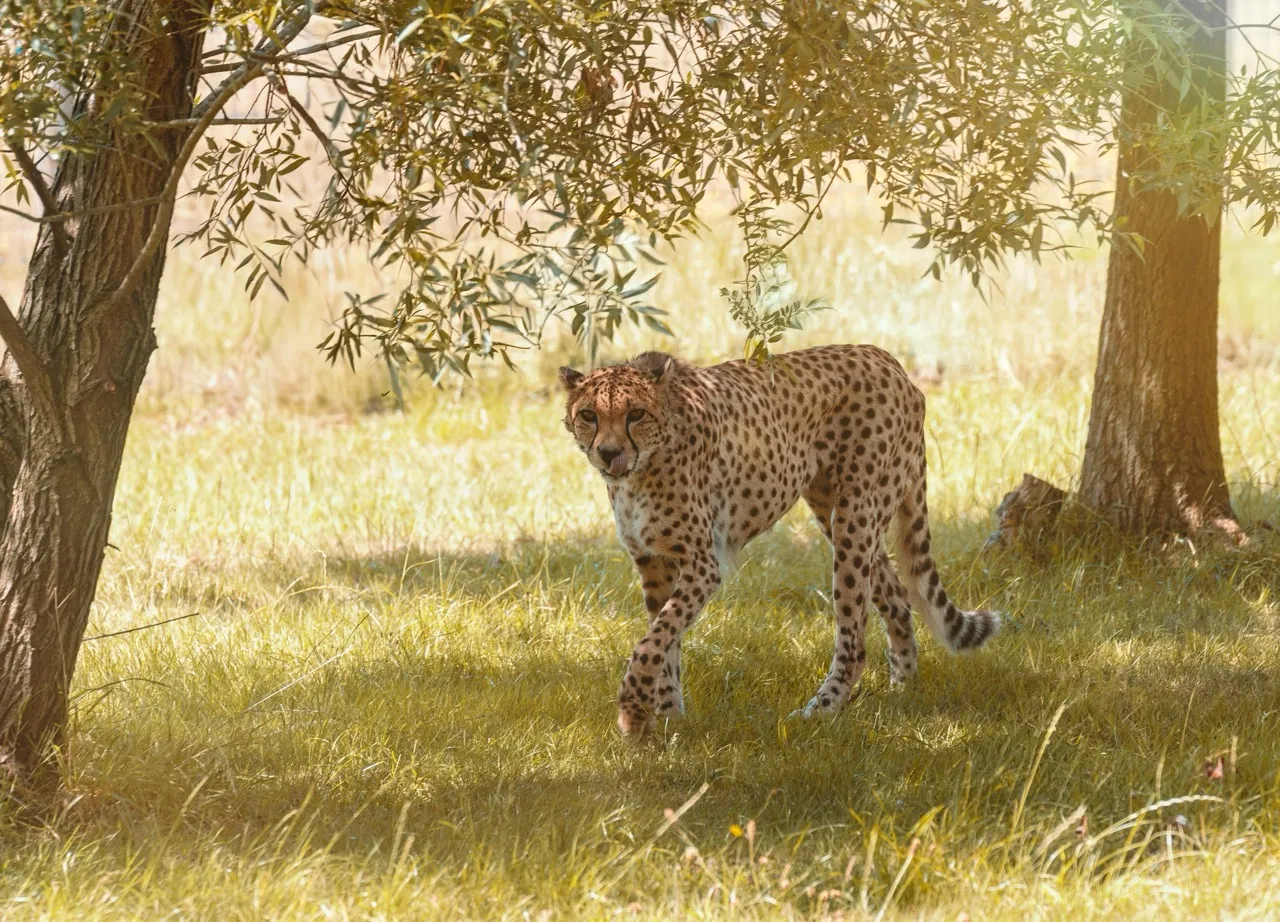
- Large populations of: zebra, warthog, eland, kudu, and other antelopes
- Predators: lions, hyenas, and jackals are regularly seen
- Bird life: over 400 species, including birds of prey and shorebirds in the coastal sector
Particularly spectacular are the massive herds of elephants that can often be seen gathering at the waterholes, one of the most iconic experiences in Addo.
Nature and climate
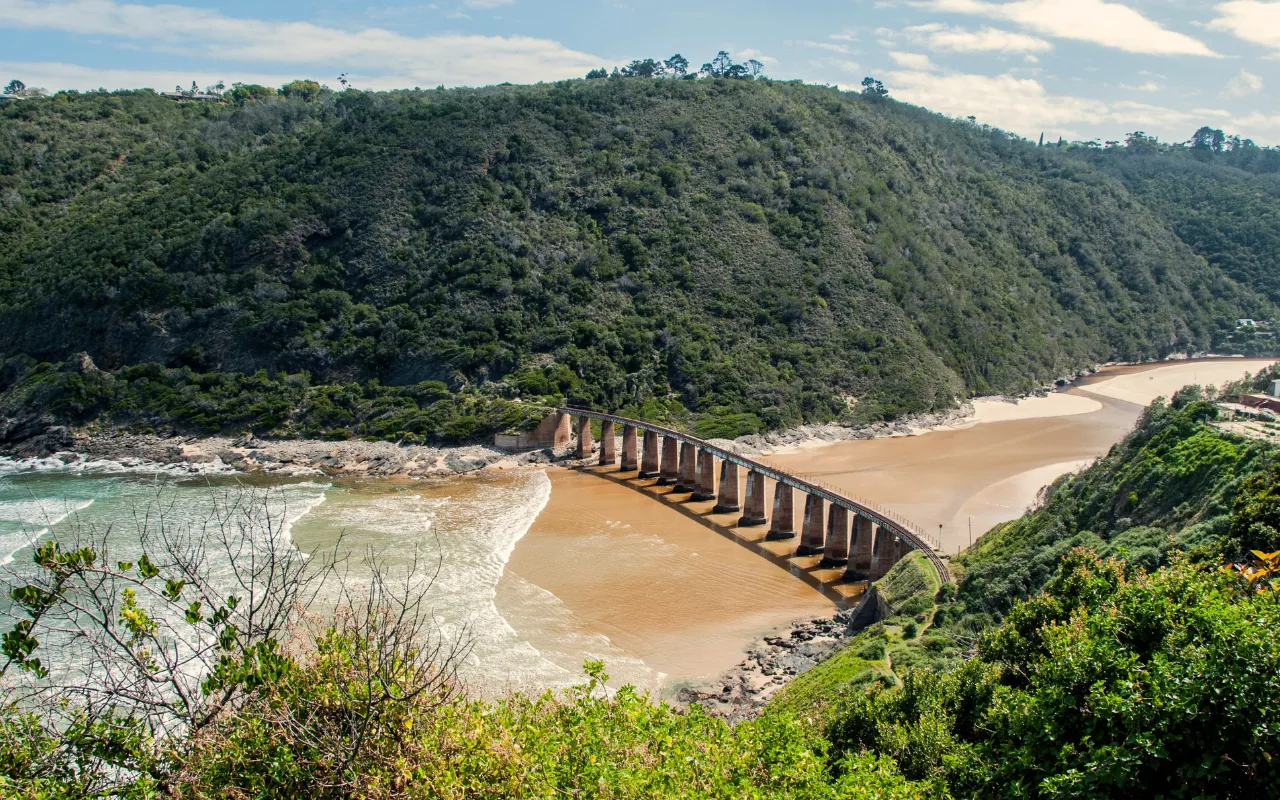
Addo offers a unique combination of natural habitats: dense bush vegetation, fertile savannahs, valleys, mountains, sand dunes, and coastal landscapes. This variety makes the park feel larger than it is and attracts many different animal species.
The climate is mild year-round, with warm summers and pleasant winters. Rain can occur throughout the year, but usually comes in short showers. As it is a coastal area, the humidity is higher than in many other reserves, which means that the landscape stays green for longer.
What makes Addo National Park unique?
What really sets Addo apart is:
- incredibly easy to see elephants
- malaria-free safari option
- proximity to the Garden Route
- car-friendly roads suitable for self-drive tours
- large, easily accessible herds of both predators and herbivores
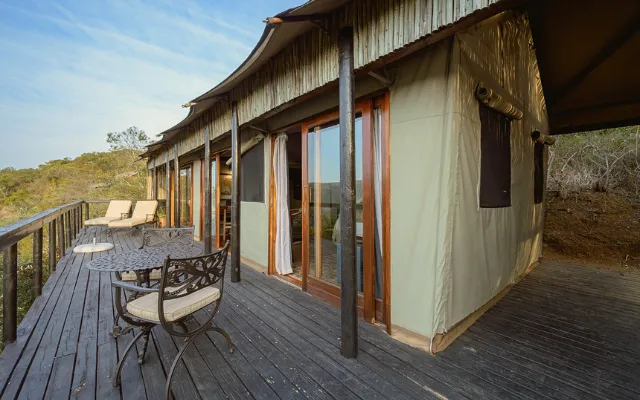
Recommended accommodation
Here are some recommended accommodations for this location


Experience the 'Big Five' animals in Tanzania
On safari with us in northern Tanzania you have the chance to see lion, leopard, rhino, elephant and buffalo.
%20(kopia).webp)