.webp)
Lake Manyara National Park – A lush oasis
Facts
Lake Manyara National Park is one of the most diverse and compact parks in northern Tanzania. Despite its relatively small size, it is home to an impressive variety of animals and habitats. The park stretches along the dramatic Great Rift Valley escarpment and is dominated by the large soda lake Manyara, which changes color depending on the light and season.
The park takes its name from the lake that covers much of the area and acts as a magnet for both birdlife and savannah animals. Thanks to its evergreen groundwater forest corridor, Manyara is one of the best places in Tanzania to experience lush nature all year round — something that makes the park particularly popular with safari travelers looking for variety.
History & preservation of the park
Lake Manyara became a national park in 1960 and was one of Tanzania's first protected nature reserves. For centuries, the area was home to local people who lived off agriculture and fishing in harmony with nature, while animals used the area as a natural gathering place on the lake shore.
Today, the park plays an important role in preserving the Rift Valley ecosystem. The flamingo populations, tree-climbing lions, and sensitive wetlands require careful protection, and several organizations are working with local communities to preserve the habitats of both animals and people.
The park is also an important buffer zone for migratory animals that move between Tarangire, Ngorongoro, and Manyara during different seasons. The preservation of these migration corridors is crucial for the safari ecosystem in northern Tanzania to remain viable.
Wildlife
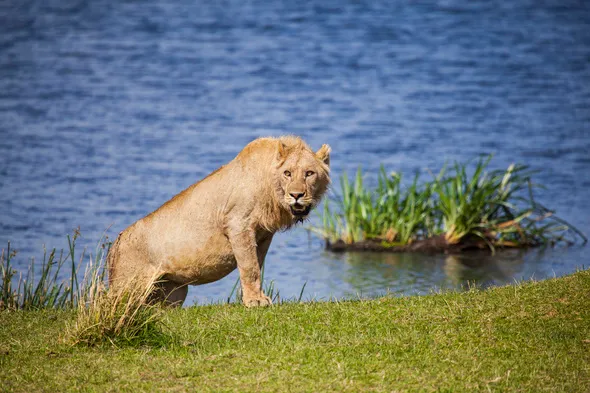
Lake Manyara is known for its tree-climbing lions — a behavior that is otherwise very unusual in Africa. However, it is rare to see them in the trees.
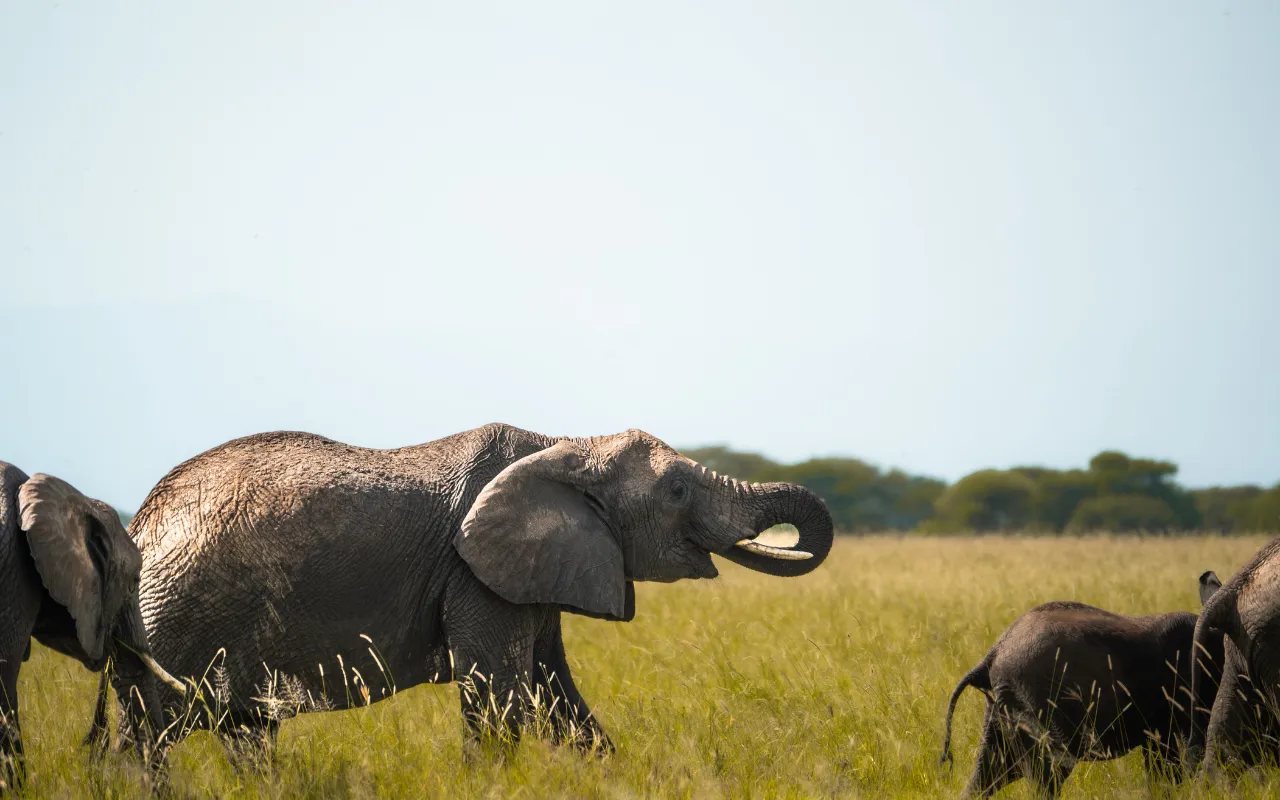
The park is also home to large herds of buffalo, giraffes, zebras, baboons, elephants, and antelopes. The baboons are particularly numerous and move in lively groups that are often seen along the forest edge, adding an extra dimension to the safari.
In recent years, however, the lake has been flooded, which means that you can only take the main road around the lake, making it more difficult to see animals up close.
Lake Manyara itself attracts large numbers of flamingos every year, which turn the shore pink when conditions are right. Pelicans, storks, and many other water birds also gather here. In total, over 400 bird species have been recorded in the park.
During the rainy seasons (November–December and March–May), the park is especially green and full of life. During the dry seasons, the animals are drawn closer to the water sources at the lake and river mouths, making it easy to see large gatherings of both prey and predators.
Nature
What sets Lake Manyara apart is the incredible variety of nature in such a small area. The entrance to the park is lined with dense groundwater forest with mahogany trees, figs, and wild acacias. Here, elephants roam through the shady forest in search of fresh leaves.
Where the forest gives way to open grasslands, Lake Manyara spreads out like a sparkling mirror. On the horizon, the steep walls of the Rift Valley rise dramatically toward the sky. This geological setting gives Lake Manyara one of the most spectacular backdrops in all of northern Tanzania.
Further south in the park, there are also hot springs where mineral-rich water bubbles up from the ground. From here, you often get fantastic panoramic views of the lake and the surrounding savannah landscape.
What makes Lake Manyara unique?
Lake Manyara is unique due to its ecological diversity in an extremely small area. No other park in Tanzania offers so many different types of nature on a single safari: dense forest, soda lake, savannah, wetlands, hot springs, and dramatic mountain walls.
The tree-climbing lions are, of course, the park's main attraction. This unusual behavior continues to fascinate researchers and safari visitors around the world.
The park's peaceful and lush atmosphere also makes the safari more intimate. Many travelers experience Lake Manyara as a welcome contrast to the vast open plains of the Serengeti and the dramatic expanses of Ngorongoro.
Recommended accommodation
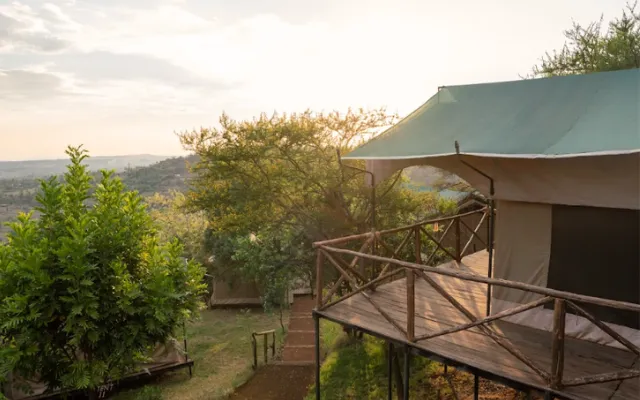
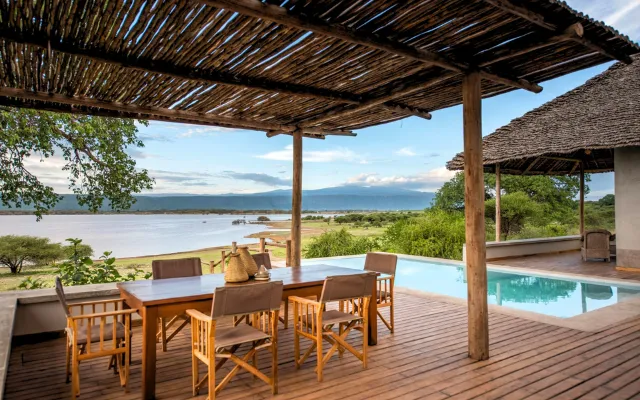
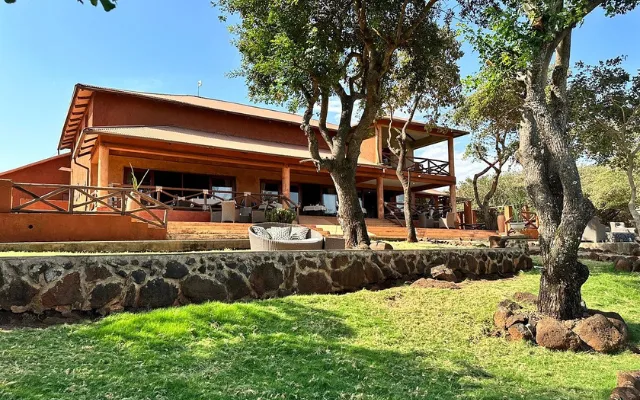
Here are some recommended accommodations for this location